
The race for the next Nonghyup Bank CEO has intensified into a fierce two-way contest between incumbent CEO Shin Hak-gi and Lee Hyung-ju, head of the Financial Intelligence Unit (FIU). Amidst this competition, issues regarding public official employment reviews and conflicts of interest have emerged as hot topics. The Nonghyup Bank CEO Candidate Recommendation Committee is expected to make a final decision on the candidate shortly after conducting interviews, drawing significant attention from the financial sector. With a current high-ranking official challenging for the top spot at a private financial institution, interest is focused on whether they can successfully navigate potential legal hurdles. This selection result is expected to have considerable implications for the future precedent of public officials transitioning to private enterprise. Let’s take a detailed look at the issues involved. We hope readers will gain a deeper understanding of the behind-the-scenes dynamics of financial sector personnel appointments through this case.
=
Unpacking the Controversy: Public Official Employment Review Issues in the Nonghyup Bank CEO Selection

1. Formation of a Two-Way Race for the Nonghyup Bank CEO Position
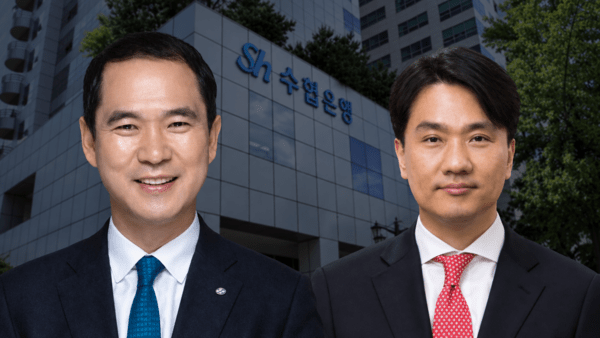
Incumbent CEO Shin Hak-gi and FIU Head Lee Hyung-ju are engaged in a strong competition for the next Nonghyup Bank CEO position. The Nonghyup Bank CEO Candidate Recommendation Committee plans to conduct candidate interviews on the upcoming date and immediately finalize the final candidate. The interview candidates include the two frontrunners, along with former deputy CEOs, outside directors, and professors, totaling six individuals. Financial industry experts currently point to CEO Shin and Head Lee as the most likely candidates. Candidates with such powerful backgrounds are fiercely competing until the end, each emphasizing their respective strengths.
Nonghyup Bank has recorded remarkable asset growth over the past few years, achieving leapfrog development. During his tenure, incumbent CEO Shin Hak-gi actively promoted the acquisition of several non-bank affiliates, laying a solid foundation for the transition to a financial holding company system. In fact, Nonghyup Bank’s total assets have surged significantly in recent years, breaking the 70 trillion won mark for the first time. On the other hand, Head Lee Hyung-ju’s greatest weapon is his status as a bona fide financial bureaucrat who has gained extensive practical experience by going through various financial policy roles. A graduate of the civil service exam, he has been recognized for his expertise after holding key positions at the Financial Services Commission throughout his public service career.
CEO Shin Hak-gi and Head Lee Hyung-ju are engaged in a two-way race for the Nonghyup Bank CEO position, each wielding their distinct strengths as weapons.
2. The Barrier of Public Official Ethics Act Employment Review Regulations

Because Head Lee Hyung-ju is a current high-ranking official, the public official employment review has emerged as a massive variable in this selection process. According to the current Public Official Ethics Act, employment at institutions with close business relevance is generally restricted for a certain period after retirement. If there are entangled interests between the department’s duties during public service and the institution of future employment, it must undergo strict review by the competent committee. Given the nature of the FIU, which holds a position of directly supervising and inspecting Nonghyup Bank, controversy over business relevance is unavoidable. In fact, the agency has recently exercised its supervisory authority by issuing a prior notice of a heavy fine to Nonghyup Bank.
These regulations are institutional devices designed to prevent collusion between the public sector and private enterprises and to maintain a fair order. Therefore, it is a natural phenomenon for internal voices of concern to arise regarding a current official moving directly to become the CEO of a private bank. If the employment review determines that the business relevance is excessively close, the approval process itself could face difficulties. Financial industry insiders are watching closely to see whether Head Lee can safely pass this difficult legal gate. The Public Official Ethics Committee will carefully examine how much the candidate was involved with the relevant institution in the past before making a final decision.
For Head Lee Hyung-ju, a former public official, the review of business relevance under the Public Official Ethics Act is acting as the biggest legal obstacle.
3. Issues Regarding Restrictions on Handling Duties After Taking Office

Even if the public official employment review is safely passed and approval is granted, another hurdle awaits in the actual scope of duties after taking office. The Public Official Ethics Act prohibits handling statutory duties that were directly processed during a certain period before retirement for a certain period after retirement. If one assumes the position of the bank’s top leader, they bear the heavy responsibility of overseeing and directing a wide range of duties, including internal controls for anti-money laundering. If the duties handled during their past public service directly conflict with the core responsibilities required as bank CEO, serious operational gaps could occur. A situation where the leader guiding the bank cannot directly engage in core regulatory and internal control duties could become a major weakness in management.
Such a contradictory situation can cause considerable disruption to the bank’s normal operations, so prior meticulous review is necessary. The controversy over job restrictions is a staple issue that always accompanies the appointment of a former financial authority figure as the head of a private financial company. Bank operations are so complex and organically connected that it is practically very difficult to separate specific duties as if cutting with a knife. Ultimately, even if employment approval is granted, legal disputes are likely to continue during the process of defining the specific scope of duties. Given that this is a position to select the leader responsible for Nonghyup Bank’s future, there are successive points out that these potential risks must be thoroughly verified.
Even if employment is approved, conflicts may arise between the CEO’s core responsibilities and the job restriction regulations for retirees, potentially limiting actual management.
4. Concerns and Perspectives on Conflicts of Interest in the Financial Sector

Within the financial sector, there are diverging views coexisting regarding the practice of officials re-employing in the private sector for this selection. Some offer positive evaluations, stating that having a bureaucrat with expertise take charge of bank management can help improve the organization’s structure. However, on the other hand, critics argue that a person from a supervisory agency becoming the head of a supervised institution is a clear conflict of interest and an act that undermines fair competition. As the long-pointed-out controversy over state-controlled finance resurfaces, the scrutiny from financial consumers is also sharp. Monitoring whether a fair personnel system is functioning in an organization with strong public character, such as a bank, is a very important issue.
In fact, financial companies are trending toward tightening their internal and external monitoring networks to strengthen risk management and internal control functions. At this point, the sight of a high-ranking official who exercised supervisory authority directly running as a bank CEO candidate may seem somewhat distant from the common sense of ordinary citizens. Mr. Kim, an office worker, pointed out that while ordinary office workers face various difficult restrictions when seeking employment at private companies, it looks as if those from high-ranking positions are receiving privileges. It is questionable whether independent management is possible if a person from a supervisory agency sits as the head of a supervised institution subject to financial authority regulation. To dispel such concerns about conflicts of interest, this selection process should be conducted more transparently and fairly.
The move of a person from a supervisory agency to become a private bank CEO has become a hot topic of debate in the financial sector from the perspectives of fair competition and conflict of interest prevention.
5. The Final Decision and Future Schedule of the CEO Candidate Recommendation Committee
The Nonghyup Bank CEO Candidate Recommendation Committee plans to strictly conduct candidate interviews according to the scheduled timeline and quickly finalize the final candidate. Attention is focused on how the various legal controversies and conflict of interest issues that have arisen during this selection process will be handled in the interview review. Candidates must prove their respective management visions and achievements while also providing valid explanations regarding the legal risks surrounding them. The committee will comprehensively evaluate not only the ability to improve the bank’s performance but also potential violations of the Public Official Ethics Act and future management stability. Whoever is ultimately selected will bear the heavy burden of having to withstand intense scrutiny from the very beginning of their tenure.
At a time when the financial industry environment is changing rapidly, Nonghyup Bank needs stable yet innovative leadership more than ever. The position of the leader who will guide a massive organization with total assets exceeding 70 trillion won is not a light matter to be decided by the interests of just a few people. The committee members must make a rational and objective decision that satisfies both external scrutiny and legal standards. If even a slight flaw is found in the procedure, it could significantly damage the bank’s external creditworthiness in the future. Therefore, the final candidate decision to be made this week carries significance beyond a simple personnel appointment and has become a major point of interest for the entire financial community.
The CEO Candidate Recommendation Committee must select the optimal leader by verifying both legal risks and management capabilities through the upcoming interviews and final decision.
6. Challenges and Prospects Left by This Selection

This Nonghyup Bank CEO selection incident has once again painfully reminded our society of the loopholes in the public official re-employment system and the tasks that need improvement. It is a natural phenomenon for talented individuals with expertise to enter the private sector, but fairness and transparency must be guaranteed in the process. Practices that exploit legal loopholes to create concerns about conflicts of interest can undermine the trust of the entire financial market in the long run. Going forward, financial authorities and related agencies must establish clearer and stricter standards to prevent such controversies from recurring. We hope readers will continue to pay attention to the final selection results to be announced in the future and the subsequent measures.
Since finance is inextricably linked to our daily lives, establishing a sound governance structure is a value of utmost importance. Only when transparent and fair personnel appointments are established can financial consumers enjoy a trustworthy environment where they can entrust their assets with peace of mind. We hope that Nonghyup Bank’s choice will serve as a benchmark showing the maturity of the entire Korean financial system, going beyond simply selecting the head of one company. In the wave of change unfolding in the financial sector, we must all keep our eyes open and watch whether we are moving in the right direction. We sincerely hope that you will continue to live a wise financial life by grasping changing economic trends and personnel news faster than anyone else.
Continuous monitoring and institutional improvement are needed even after this selection to enhance the transparency of the public official re-employment system and maintain the trust of the financial market.
Frequently Asked Questions
=