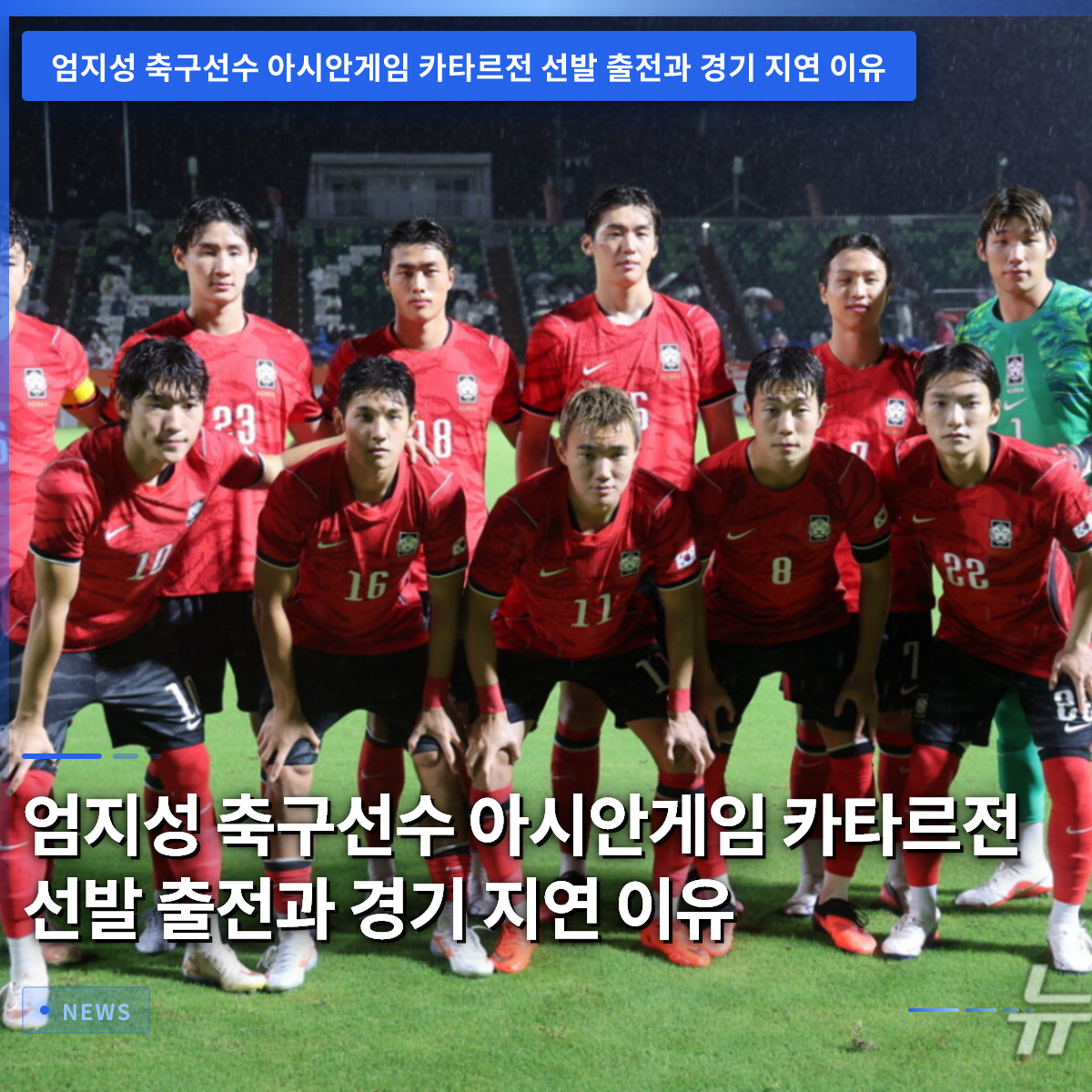
Uhm Ji-seong, a key striker for the men’s football team at the 2026 Aichi-Nagoya Asian Games, has been confidently named in the starting lineup for the first group stage match against Qatar, taking on a significant responsibility. However, before the match could officially begin, an unprecedented incident occurred when the team bus mistakenly headed to a nearby baseball stadium, causing major disruptions to the pre-match preparations. Much like a student who accidentally arrives at the wrong exam hall on the morning of the crucial College Scholastic Ability Test (CSAT) and finds themselves rushing to enter, the team arrived at the venue in a state of extreme bewilderment. To make matters worse, heavy rain poured down, creating a “water war” environment that likely pushed the players’ physical and mental fatigue to unimaginable levels. Despite these abnormal conditions that make it difficult to showcase their usual skills, attention is focused on how the national team will overcome this crisis. In this article, we will carefully examine the significance of Uhm Ji-seong’s starting appearance, the detailed background of the delayed match time, and the outlook for advancing through the remaining group stage matches.
=
Uhm Ji-seong: Starting Lineup for Qatar Match at Asian Games and Reasons for Game Delay
1. Uhm Ji-seong’s Starting Lineup for the Qatar Match and Its Significance
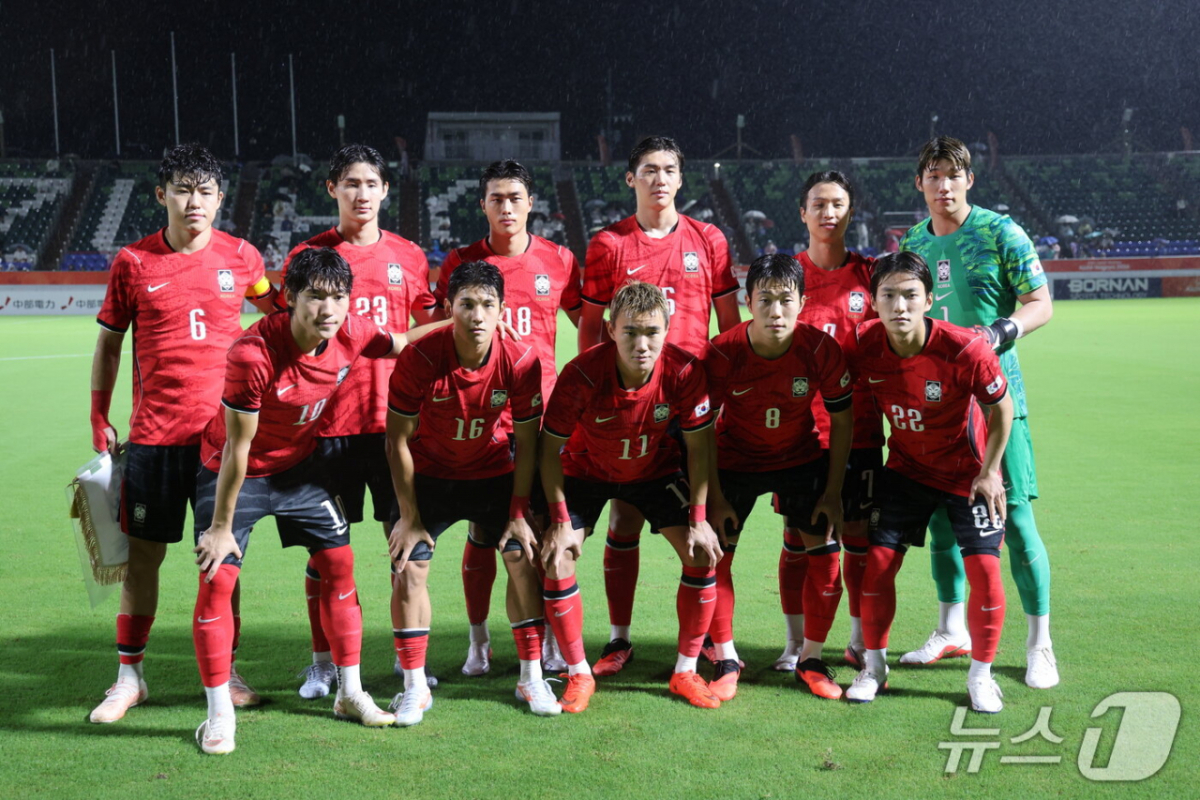
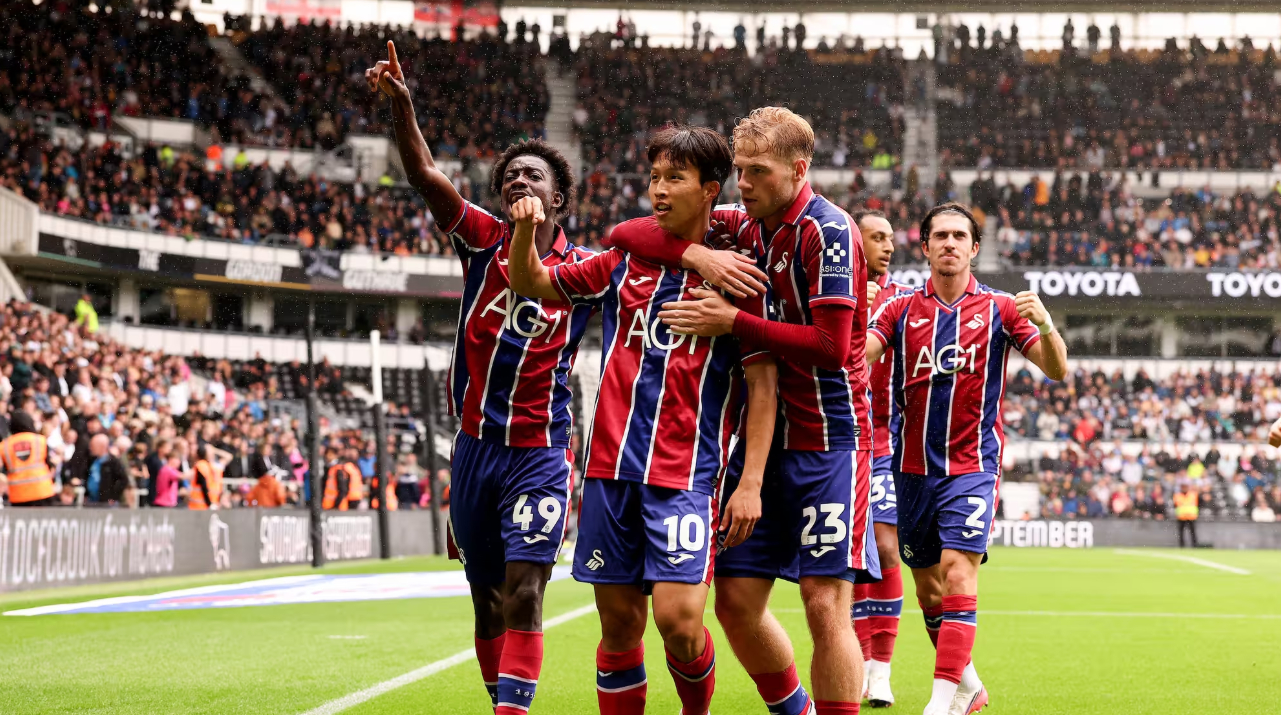
In this match against Qatar, Uhm Ji-seong will be a central pillar of the second-line attack, playing alongside talented teammates like Bae Jun-ho and Yang Hyun-jun. Manager Lee Min-seong placed Kim Myeong-jun as the lone striker up front and boldly deployed these players around and behind him to provide strong firepower. Having consistently gained experience and honed his skills at Swansea City on the overseas stage, his sharp wing breakthroughs are expected to be the biggest key to the team’s victory in this match. His unique movements, which exploit confusion among opposing defenders to penetrate the goal area, are evaluated as a crucial factor that could determine the outcome of the tournament. As he bears the heavy responsibility of orchestrating the team’s attacks and creating chances, fans are closely watching every pass and shot he produces. If his organic chemistry with fellow attackers clicks, it is expected that they can quickly recover from the initial disarray and seize clear dominance. All football fans are united in hoping that he will fully unleash his honed skills and definitively prove his value from the very first match.
Uhm Ji-seong starts as a core member of the second-line attack in the Qatar match, leading the team’s offensive efforts.
2. Why the Team Bus Headed to a Baseball Stadium Before the Match

On what should have been a calm match day afternoon, a bizarre incident occurred when the bus carrying the national team players mistakenly traveled to a nearby baseball stadium instead of the football venue. Although the original destination was very close in a straight line, severe confusion arose between the driver and on-site staff due to the heavy rain and bad weather pouring down at the scene. Consequently, the team only managed to arrive at the stadium at 6:30 PM, a full thirty minutes later than scheduled, creating a significant gap in the overall training schedule. It is deeply regrettable that such an incident occurred on the grand stage of an international tournament due to the home team’s immature operations or lack of on-site guidance. For players who must warm up according to a routine under strict time management, such an unexpected situation inevitably acts as the main culprit in disrupting their condition management. While the players ended up bearing the brunt of the staff’s mistakes, it was a moment where the professional attitude of the players, who remained calm and composed, truly shone.
The team arrived thirty minutes late in heavy rain because the bus mistakenly headed to a baseball stadium.
3. The Devastating Impact of Insufficient Warm-up on Performance

In football, sufficient warm-up time before kickoff is an absolute essential process for warming up players’ stiff muscles and preventing various injuries. However, in this match against Qatar, due to the bus travel time error, all players, including Uhm Ji-seong, had to enter the ground immediately without even a chance to properly warm up. Furthermore, with the harsh “water war” environment of a pitch flooded with rainwater, the risk of injuries such as muscle tears or sprains has skyrocketed compared to normal conditions. Since players must engage in intense physical battles and full-speed sprints without their bodies being properly loosened, concentration during the first few minutes of the match has become more important than ever. The manager and coaching staff, who were most concerned about this point, likely repeatedly urged the players to prioritize safety over reckless play and focus on fundamentals. Although these are harsh conditions where unexpected external variables can disrupt a player’s physical rhythm, how they overcome this based on mental strength serves as a gauge of their true ability.
Playing in a “water war” environment without a proper warm-up has increased the risk of injury.
4. The Team’s Bewilderment Felt on Site
The bewilderment and mental shock experienced by the players, who had to rush to change into their uniforms in the locker room and immediately head to the ground upon arriving at the stadium, is beyond words. It would be similar to the cold-sweat-inducing fear felt by examinees who oversleep or get stuck in traffic, only to walk into the exam room just before the test begins on the day of a crucial national examination. It is both heartbreaking and impressive to see the players, who could not hide the tension on their faces yet stared at the ground with resolute eyes, amidst such abnormal external circumstances. While they may feel frustrated that their long-term hard work preparing for this tournament nearly came to nothing due to a minor administrative error, the players gritted their teeth and steadied their minds. As the saying goes, “Adversity is the foundation of growth,” the seasoned handling of this crisis by the veterans, who aimed to use it as an opportunity to further solidify team unity, stood out.
The players overcame their bewilderment and calmly prepared for the match despite the urgent situation.
5. Tactical Changes by the National Team for the “Water War”
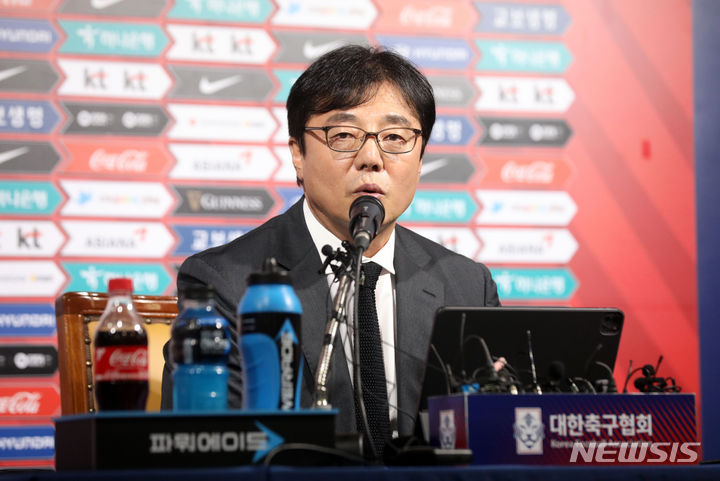
In a “water war” environment where heavy rain pours from the sky, the grass on the ground is slippery, and the ball rolls much faster than usual, requiring extremely precise ball control. Uhm Ji-seong, whose greatest strengths are explosive speed and concise, fast dribbling breakthroughs, can fully showcase his skills even in such muddy “water war” conditions. If the team can safely possess the ball from the midfield and the defensive line blocks the opponent’s counter-attacks based on solid organization, they can perfectly overcome the initial chaos. Manager Lee Min-seong likely issued instructions to adapt to the suddenly changed environment before the match, such as employing a simple yet efficient attacking tactic utilizing long passes or actively attempting long-range shots. In weather with many variables, the team that minimizes small mistakes will ultimately take the victory, so the battle of concentration among our players will determine the outcome of the match.
Tactical changes focusing on precise ball control and quick passes are required to adapt to the slippery “water war” environment.
6. Strategy for Advancing Through the Asian Games Group Stage
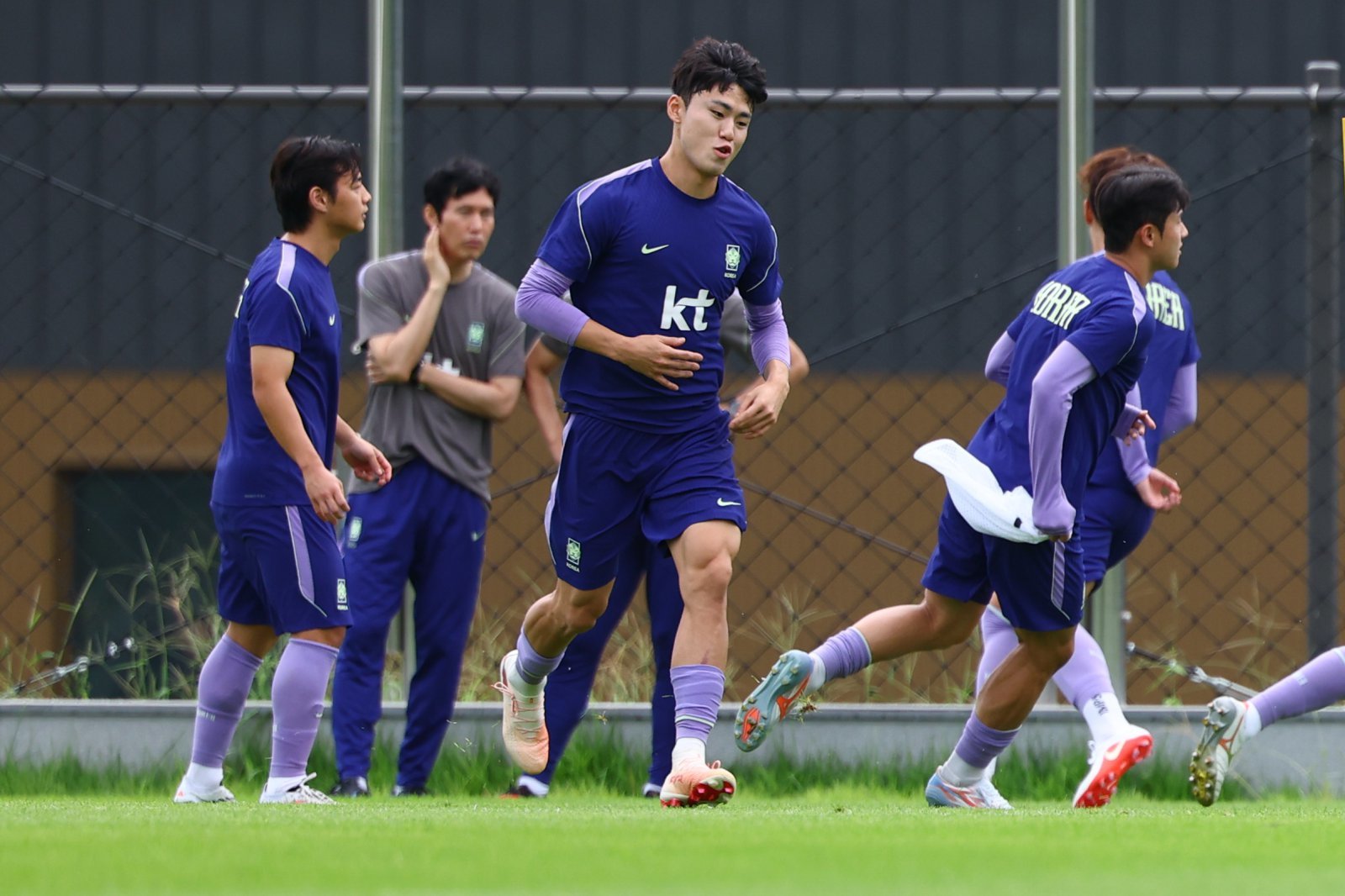
This match against Qatar is the most important first hurdle and turning point that must absolutely not be compromised in order to safely pass through Group D of the group stage. Although there was the unexpected setback of the bizarre bus incident before the match, how quickly the Taeguk Warriors, including Uhm Ji-seong, regain their match sharpness will determine their future success or failure. Considering the long journey of the entire tournament, using this match as a catalyst to quickly recover their condition and find their normal performance level is the best strategy for the remaining schedule. More important than the various variables blowing in from the outside is the unwavering belief and concentration that our players themselves possess, and this match will serve as an excellent lesson. The bigger the stage, the more unexpected situations lurk, but the process of overcoming such adversity will prove to be a stage that demonstrates the true strength of Korean football. I sincerely hope that all players finish the match safely without injury and return with valuable points.
To advance through the group stage, the team must use the crisis in the first match as a stepping stone to thoroughly prepare for the remaining schedule.
Frequently Asked Questions
=