If you simply leave your IRP (Individual Retirement Pension) in a bank deposit, it likely won’t keep up with inflation, meaning your retirement assets won’t grow significantly. Recently, more employees are turning to IRPs to maximize their tax deduction limits when they receive bonuses for holidays like Chuseok or have surplus funds. However, many people sign up solely for the tax benefits and then leave their money in low-interest products, merely waiting for retirement. Since you can receive deductions of up to 9 million won when combined with pension savings, it is crucial to understand the limits accurately. To maximize your assets, you must diversify your investments into various Exchange-Traded Funds (ETFs) and bond-mixed products through a securities account. In this article, we will examine practical methods to fully utilize tax deduction benefits while also achieving higher returns.
=
A Complete Guide to IRP Tax Deduction Limits and Investment Strategies for Higher Returns
1. Smart Combination of Tax Deduction Limits and Pension Savings
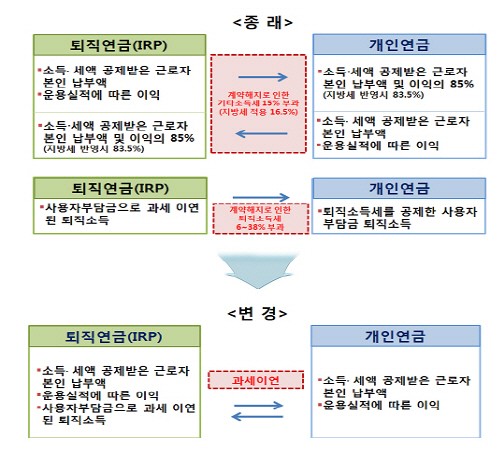
By utilizing both a pension savings account and an IRP, you can enjoy tax deduction benefits of up to 9 million won annually. For example, if you contribute 6 million won to pension savings and an additional 3 million won to your IRP, the total 9 million won becomes eligible for deduction. Since the deduction rate varies based on income levels, it is advantageous to first check your annual salary bracket and then set your contribution amount. Sometimes, people fail to meet the limit due to a lack of surplus funds, but it is better to set up automatic transfers for small amounts consistently. It is also highly effective to fill in any remaining contribution amounts all at once when you receive a lump sum, such as a holiday bonus or performance pay. Once you receive the tax refund, you can reinvest that money, further accelerating asset growth. IRPs are products available only to employees or self-employed individuals with income, requiring consistent management until retirement. Rather than rushing to sign up just before the year-end tax settlement, it is helpful to establish a monthly contribution plan from the beginning of the year, which also aids in expense management. Amounts contributed beyond the tax deduction limit can be withdrawn as principal without tax when you receive the pension in the future. Therefore, to avoid mistakes, you should determine your total contribution size by considering not just immediate tax benefits but also long-term cash flow.
The core of tax savings is maximizing the annual tax deduction limit of 9 million won by combining 6 million won in pension savings and 3 million won in IRP.
2. Transferring to a Securities Account and Utilizing ETFs

More people are transferring their IRP accounts from banks or insurance companies to securities firms, which offer lower fees and a wider range of products. With a securities account, you can invest directly in various ETFs, allowing you to respond flexibly to market conditions. In fact, some investors have recorded cumulative returns exceeding double their principal after transferring to a securities account and holding several high-quality ETFs. However, given the nature of retirement funds, you must avoid putting all your money into high-risk equity assets and should adhere to asset allocation principles. You must remember that, according to relevant laws, equity ETFs can only account for up to 70% of the total accumulated funds. The remaining 30% must be allocated to safe assets, so how you utilize this portion determines your overall return. If you simply leave the 30% safe assets in low-interest general deposits, you may fail to defend against inflation, causing your asset value to drop. Instead, you can actively utilize bond-mixed ETFs or government bonds, which are classified as safe assets, to aim for additional capital gains. Recently, the option to purchase individual investor government bonds directly within retirement pension accounts has opened up, providing new choices for long-term investors. By combining various financial products to suit your preferences, you can expect returns significantly higher than bank deposit rates while maintaining stability.
Transfer your account to a low-fee securities firm and maximize returns by utilizing ETFs and bond-mixed products.
3. The Secret of the 30% Safe Asset Allocation and Bond-Mixed Strategies
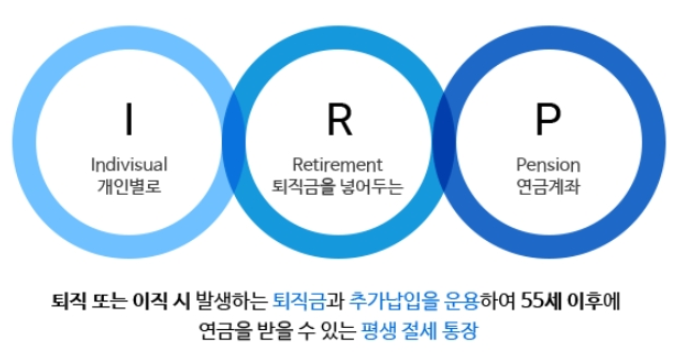
Many employees make the mistake of simply filling the legally mandated 30% safe asset allocation with bank fixed deposits and leaving it untouched. However, this 30% proportion is a powerful variable that can completely change the size of your total retirement assets in 10 or 20 years. During periods of low interest rates where deposit rates fail to keep up with inflation, money left in deposits can effectively become a negative asset. As an alternative to overcome this, a widely used strategy is to actively include bond-mixed ETFs, which combine stocks and bonds, in your portfolio. Bond-mixed products are recognized as safe assets while including a portion of stocks, allowing them to pursue higher returns than general deposits. To increase returns even slightly while adhering to the mandatory safe asset holding regulations, you must carefully compare various bond products on securities apps. It is necessary to regularly check your account status each month and make fine adjustments to your portfolio in response to interest rate cuts or hikes. Small differences in allocation can create a gap of tens of millions to hundreds of millions of won at retirement, so this aspect should never be taken lightly. The secret to success is actively rebalancing the golden ratio of 70% equity and 30% safe assets according to your investment style.
Do not simply leave the 30% safe assets in deposits; manage them efficiently using bond-mixed ETFs or similar products.
4. Everything About Early Withdrawal Conditions and Taxes
In principle, the money accumulated in an IRP must be received in the form of a pension after the subscriber reaches the retirement age of 55 to fully enjoy tax benefits. However, since life inevitably brings moments when you urgently need money, it is wise to understand the regulations on early withdrawal and collateral loans in advance. Relevant laws recognize exceptions such as purchasing a home for non-homeowners, securing a deposit for a lease, or paying for long-term medical treatment for oneself or family members. When withdrawing money for these statutory reasons, lower pension income tax or other tax standards are applied compared to general retirement income tax rates, reducing the burden. If you cancel your IRP or withdraw funds midway without a special reason, you must repay all the tax deductions you have received. Furthermore, high miscellaneous income tax is imposed on investment gains, potentially resulting in losses ranging from hundreds of thousands to millions of won. Therefore, unless you are in an unavoidable economic crisis, it is beneficial to keep your pension account intact until your final retirement date. When you urgently need a lump sum, taking a loan collateralized by your existing accumulated funds is a realistic alternative to avoid a tax bomb, rather than closing the account.
General cancellation without statutory reasons incurs high taxes, so you must accurately understand exception clauses like home purchases and make decisions carefully.
5. The Art of Pension Receiving Timing and Tax-Saving Strategies
Even when it is time to withdraw your accumulated assets upon retirement, the total tax you pay can vary drastically depending on how you receive it. If you receive a lump sum all at once, you must pay high taxes in a single go, but if you receive it in the form of a pension, the tax is significantly reduced. The longer you extend the pension receiving period, the lower the pension income tax rate becomes, and receiving amounts within the limits set by the state minimizes the tax burden. It is advantageous to receive the maximum amount allowed in the first year and then adjust the amount to match your living expenses in subsequent years. If the pension income from pension savings and IRPs exceeds a certain annual amount, it may become subject to comprehensive income tax aggregation. To prevent this, you need a meticulous asset withdrawal strategy that appropriately disperses the annual receiving amount and balances it with other income. Since life after retirement is longer than expected, you must plan your withdrawals to ensure a stable cash flow until the end of your life. Try using the consultation services of securities pension experts or utilizing a retirement calculator yourself to simulate how much you should receive monthly for the most favorable outcome.
Instead of a lump sum, receive your pension in installments over a long period to lower taxes and secure a stable post-retirement cash flow.
6. Practical Recommendations for a Successful Retirement
The IRP is not just a tax-saving product but the strongest economic shield responsible for a secure retirement for our families. The small action of opening your securities app today to check if your account is stuck in deposit products can change your future. Just as important as filling the tax deduction limit is having an active attitude and interest in how to grow your assets. Do not be swayed by short-term market fluctuations; instead, continue regular investment centered on high-quality ETFs. Keep an ear out for changes in government policies or the release of new financial products, and develop the habit of regularly checking your portfolio. Let us start preparing now so that retirement, a distant future event, becomes a comfortable and anticipated new beginning rather than an anxious assignment.
Check your account status today and prepare for a successful retirement through consistent regular investments and thorough asset management.
Frequently Asked Questions
=