
In the Asian Games baseball Super Round match between South Korea and Japan held on September 25, 2026, at Toyohashi Municipal Stadium in Japan, starter So Young-joon left fans disappointed by allowing three runs in the bottom of the third inning. This match, a crucial showdown between the two nations after the group stage, drew significant attention from baseball fans. So Young-joon, the right-handed ace of the KT Wiz, took the mound with high expectations, given his reputation for performing well in high-pressure situations. However, a combination of hits and walks in the bottom of the third inning led to a costly concession of runs. Although the game started with a tense pitcher’s duel, the team’s inability to overcome a brief crisis proved to be a bitter blow. Let’s take a detailed look at So Young-joon’s pitching performance and the flow of the game in this Japan-South Korea match.
=
Analysis of So Young-joon’s Disappointing Performance: Starting Pitch and 3 Runs Allowed in the Japan-South Korea Asian Games Match

1. Background of So Young-joon’s Start in the 2026 Asian Games Japan-South Korea Baseball Match
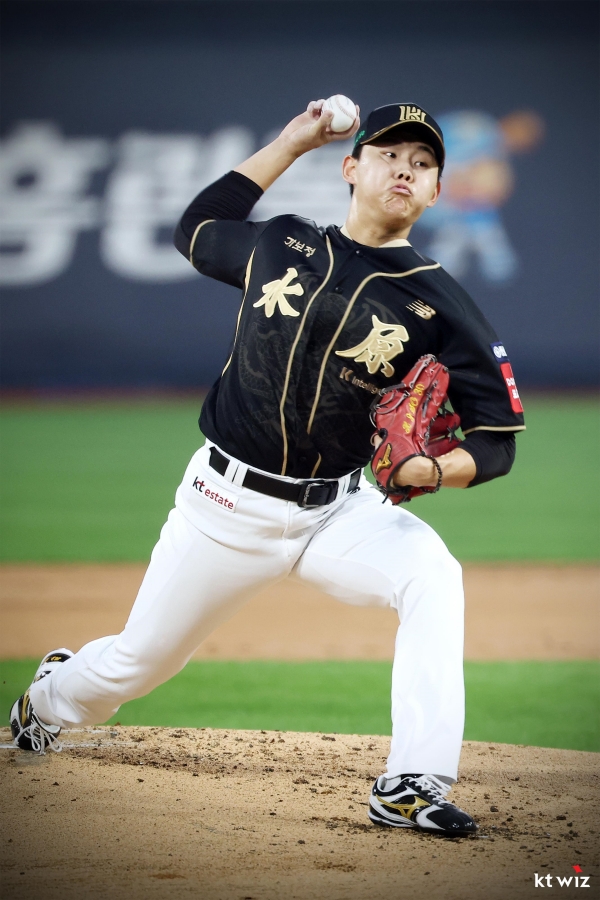
In this tournament, the South Korean national baseball team faced their destined rival, Japan, in their first Super Round game and needed to find their most reliable pitcher. The coaching staff chose So Young-joon, a right-handed pitcher from the KT Wiz, as their key card. Expectations were very high, as he had conserved his energy during the group stage to prepare thoroughly for this crucial match against Japan. Japan also fielded a powerful lineup, promising a fierce strategic battle between the two teams. Before the game, media and baseball fans widely analyzed that the outcome of the match for Korea rested on So Young-joon’s shoulders. Indeed, So Young-joon has been a pitcher who has anchored his team since a young age in the KBO League, showing strength in big games. His track record, including winning the Rookie of the Year award after achieving double-digit wins in his debut season, made him a fitting choice for a major international tournament. Baseball experts predicted that his signature steep-breaking pitches and precise control could sufficiently confuse Japanese batters. Although he did not pitch immediately in the group stage, this actually provided him with the opportunity to rest sufficiently and peak his condition. Under these circumstances, So Young-joon took the mound and calmly handled the opposing lineup with stable control in the early innings.
So Young-joon took the mound as the starting pitcher for the Asian Games Japan-South Korea match after thorough preparation, generating high expectations.
2. The Tense Early Flow and the Crisis in the Bottom of the Third

From the start of the game through the first and second innings, both teams’ pitchers delivered perfect performances, maintaining a tense scoreless balance. While the Korean lineup struggled to crack the pitch of Japan’s starter, Shii Higuchi, So Young-joon responded with stable pitching. However, the peaceful flow was instantly disrupted as the bottom of the third inning approached. So Young-joon allowed a leadoff single to the first batter and then faced a delicate situation intertwined with defensive plays. The momentum began to shift toward Japan, marked by Yano’s successful stolen base. So Young-joon then issued a walk to the next batter, loading the bases and creating a critical 1st and 2nd with one out. Although So Young-joon is known for his excellent crisis management, he struggled to maintain his composure as the opposing lineup’s focus edged ahead. The damage snowballed as defensive errors or mishaps in throwing occurred while allowing extra-base hits. Ultimately, he conceded a massive three runs in the bottom of the third alone, completely handing the initiative to Japan.
The tense balance maintained through the first two innings collapsed into three runs allowed in the bottom of the third due to a combination of hits and walks.
3. Analysis of So Young-joon’s Pitching Content That Left Regret
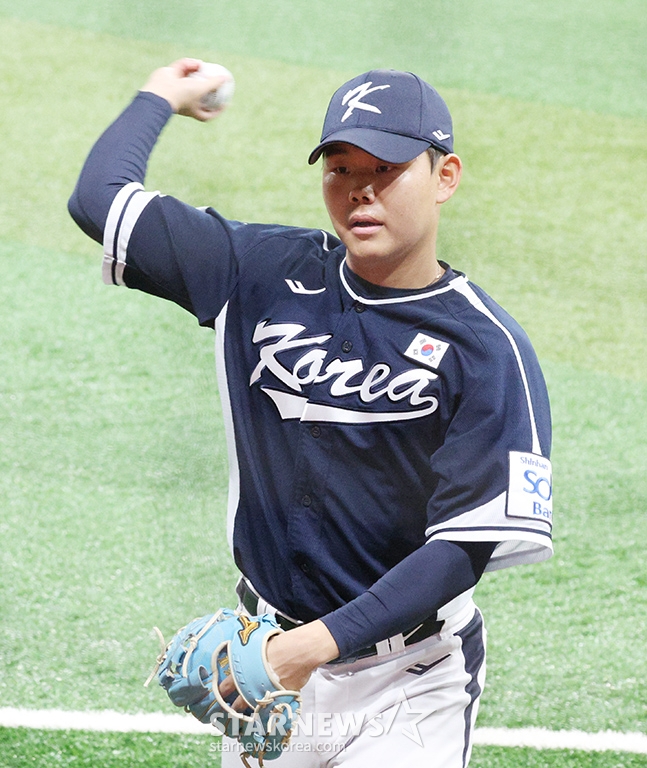
The three runs allowed by So Young-joon in this Japan-South Korea match ultimately acted as a decisive factor in determining the outcome of the game. So Young-joon’s core weapons are his powerful two-seam fastball and ground-ball inducing ability, but on this day, his control was slightly higher than usual. Japanese batters appeared to have thoroughly analyzed So Young-joon’s approach to the outer zone, as they did not hesitate to cut at pitches. As the pitch count increased, the distinction between strikes and balls became clearer, leading to a vicious cycle of issuing walks while trying to avoid decisive pitches. Sighs of disappointment erupted among baseball fans watching the game, with many pointing out that the early runs allowed were particularly painful given the importance of the international tournament. Despite being the only pitcher who conserved energy in the group stage, subtle gaps in his game feel were visible. Japan’s top of the lineup did not miss So Young-joon’s breaking balls, connecting with precise hits to perfectly capitalize on scoring chances. Although he gave his best until leaving the mound, the 0-3 deficit became an immense pressure on the Korean lineup for the remaining innings.
With high pitches and walks compounding, So Young-joon allowed a large number of runs in the bottom of the third and left the mound with regret.
4. The Focus of the Japanese Lineup and the Turning Point That Shook the Game
The Japanese lineup that broke down So Young-joon drew cheers by demonstrating thorough analysis and high concentration from the early stages of the game. Players placed in the top of the lineup, including leadoff hitter Yano, selected pitches with fouls even in unfavorable counts, tiring out the pitcher. In particular, in the chances following the no-out situation in the bottom of the third, they precisely pushed or pulled pitches dropping to the outer zone, splitting the outfield. The Korean infield and outfield also gave their all to prevent runs, but the quality of the batted balls made defense difficult. The allowed stolen base on second and consecutive walks shook the concentration of the defensive players, providing an opportunity for additional runs. Japan’s starter, Shii Higuchi, also displayed perfect command against the Korean lineup, completely shutting down scoring opportunities. It was a moment where the balance of offense and defense between the two teams determined the winner, illustrating the high cost of even a momentary lapse in focus on the international stage.