
U.S. Treasury Secretary Scott Bessent has recently issued a strong demand for the central bank to adopt a more flexible and open approach to interest rate policy. With upcoming elections on the horizon, concerns over inflationary pressure and slowing economic growth are overlapping, making the calculations for policymakers even more complex. Market participants are closely watching whether these remarks will lead to any substantive changes in the central bank’s future monetary policy meetings. Everyday financial matters, such as loan interest rates and mortgage rates, are closely linked to these macroeconomic trends, directly affecting household budgets. For instance, Mr. Kim, an office worker living in Seoul, is currently selling items at flea markets or looking for side jobs to reduce his monthly fixed expenses due to the soaring interest burden. In this article, we will carefully examine the background of the Treasury Secretary’s pressure and its ripple effects on the broader economy.
=
Analysis of U.S. Treasury Secretary Scott Bessent’s Pressure on the Fed for Rate Cuts and Its Economic Implications

1. Background of the Treasury Secretary’s Pressure on the Fed and Key Remarks
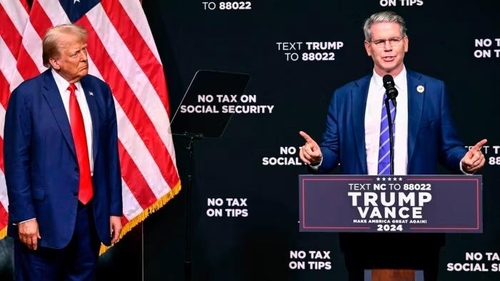
Secretary Bessent has repeatedly emphasized in recent public appearances that central bank committee members should not be bound by a specific direction and must make interest rate decisions with a flexible perspective. These remarks directly contradict the central bank’s existing policy of maintaining high interest rates to curb the inflationary trend that has persisted for several years. As the divergence of views between the government and monetary authorities comes to the surface, volatility in financial markets has also increased. In the past, there have often been instances where the executive branch indirectly pressured for rate cuts amid controversies over infringing on the central bank’s independence. However, it is considered highly unusual for the Treasury Secretary to directly demand flexibility in such a specific timing. This can be interpreted as a sophisticated political and economic maneuver aimed at inducing a substantive shift in policy direction, going beyond a mere expression of opinion. Market experts unanimously agree that these remarks are not a one-off incident but a significant milestone in gauging the future direction of monetary policy. In reality, while prices are showing signs of stabilizing, the perceived temperature of the real economy remains cold, and public dissatisfaction has reached its peak. Those who took out maximum loans to buy homes (often referred to as “max-out” borrowers) and self-employed individuals are counting the days for their interest burdens to decrease, closely monitoring related news. Mr. Lee, a small business owner living in a regional area, sighed, saying he loses sleep every night because he cannot repay his operating funds. From the government’s perspective, it is a critical time when cards such as economic stimulus and rate cuts are urgently needed to ensure the smooth conduct of upcoming elections. Therefore, a key point to watch is how much weight these political demands will carry in the central bank’s future interest rate decision-making process.
Secretary Bessent’s remarks represent a strong demand from the executive branch for a policy shift by the central bank, attracting significant market attention in conjunction with upcoming elections.
2. The Dilemma of Inflation and Rate Cuts
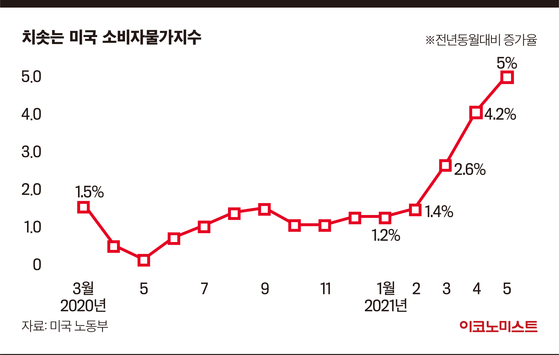
The biggest reason the central bank cannot easily lower interest rates is the persistent inflationary pressure. Due to the aftermath of global supply chain disruptions and rising raw material prices over the past few years, prices have shown a gradual downward stabilization trend, meaning that once they rise, they do not come down easily. If interest rates are cut prematurely before prices are fully tamed and inflation spikes again, the entire economy could suffer a fatal blow. Central bank leaders, citing historical lessons, warn against the side effects of hasty easing policies and maintain a cautious stance. However, administration officials, including the Treasury Secretary, counter that sustained high interest rates could lead to greater risks, such as freezing corporate investment and soaring unemployment rates. Caught in this dilemma, ordinary citizens are suffering from the double burden of rising prices for daily necessities and loan interest. Mrs. Park, a housewife who went grocery shopping at a large supermarket, shared that she is feeling the impact of inflation, worrying that her card might exceed its limit even though she only bought a pound of pork belly and a few vegetables. When interest rates remain high, funds tend to flow into bank deposits, tying up capital that should be circulating in the real economy. If funds do not flow smoothly, small and medium-sized enterprises and startups face a drying up of their funding sources, pushing them to the brink of closure, which in turn leads to job losses. Therefore, the monetary authorities’ dilemma of trying to achieve both price stability and economic stimulus is bound to deepen day by day.
Amid the tightrope walk between suppressing inflation and stimulating the economy, policy conflicts between monetary authorities and the administration are becoming visible.
3. The Correlation Between Upcoming Elections and Economic Policy
In major global economies, including the United States, voices demanding economic revitalization and rate cuts inevitably grow louder as election season approaches. Since voters’ decisions ultimately depend on the thickness of their wallets and the tightness of their household budgets, the ruling party needs a sharp strategy to stimulate the economy. It is widely analyzed that Secretary Bessent’s daily pressure on the central bank is not unrelated to these political schedules. If economic indicators look poor right before the election, it could fuel the narrative of a “judgment on the administration,” so there is an effort to lower interest rates to inject warmth into the market. Historical examples prove that central banks have engaged in fierce power struggles with political circles to maintain their independence during every election season. This controversy over political pressure also raises concerns that it could tarnish the central bank’s credibility. Monetary policy must be decided neutrally, based solely on objective economic data and price indicators, to gain market trust. If interest rates are cut under political pressure and the economy falls into greater turmoil, the aftermath will be borne entirely by the citizens. Critical voices are emerging in office worker communities and online economic bulletin boards, accusing politicians of ruining the economy for the sake of elections. Experts advise that how well the central bank defends against political pressure will be the litmus test for the soundness of the national economy in the future.
Political pressure ahead of elections threatens the central bank’s independence, which could negatively impact long-term economic credibility.
4. Ripple Effects on the Domestic Financial Market and Household Economy
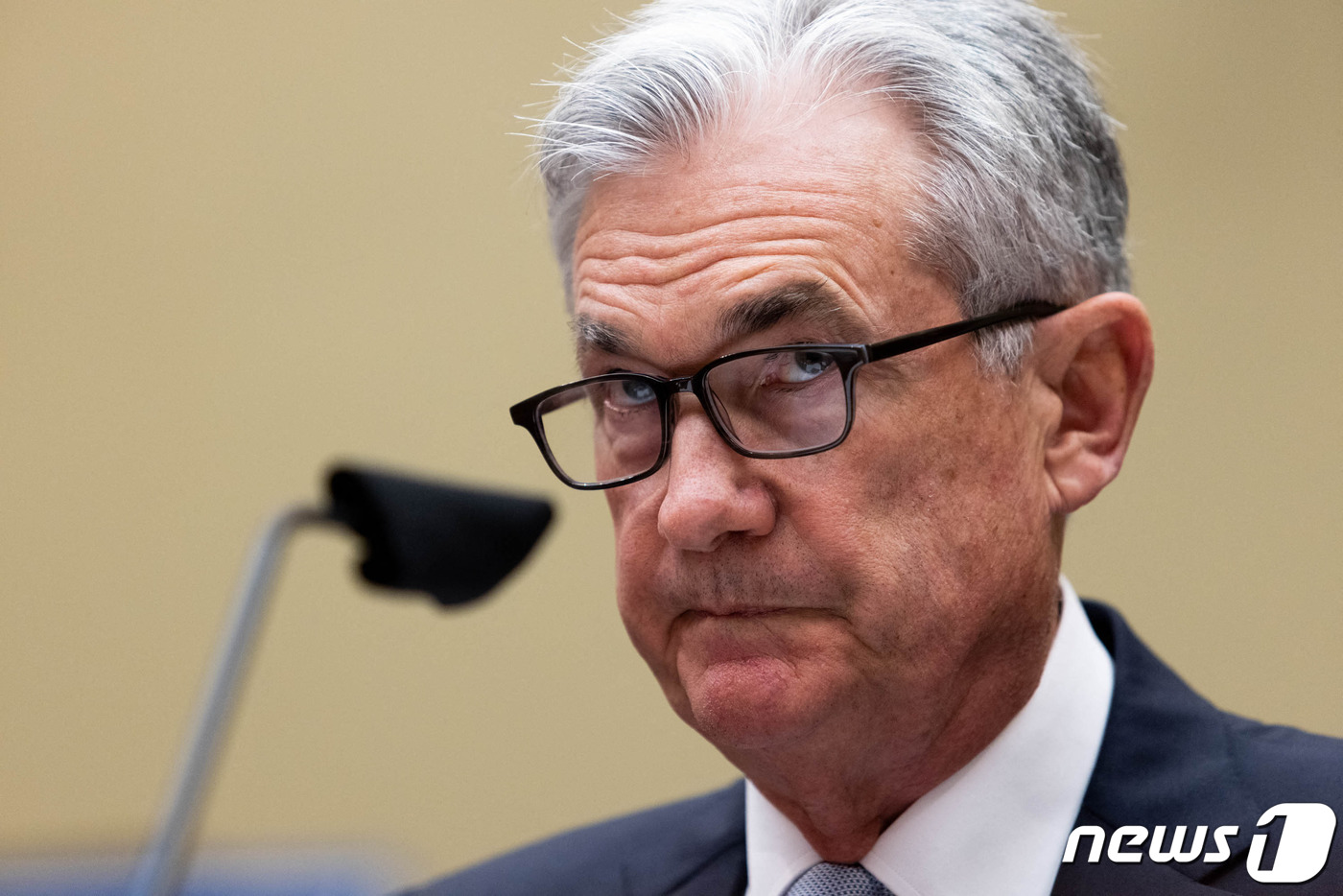
Remarks from the U.S. Treasury Secretary and changes in the Fed’s interest rate policy trigger an immediate and powerful butterfly effect on our economy across the ocean. If expectations for U.S. rate cuts grow, the value of the dollar may waver, and the won-dollar exchange rate may stabilize, thereby alleviating the burden on domestic import prices. However, conversely, the Bank of Korea will also face pressure to cut rates, which could trigger another time bomb: increased household debt and overheating in the real estate market. Since South Korea’s household debt ratio is already considered the highest in the world, there is a significant risk that demand for maximum loans will explode again if interest rates drop even slightly. In fact, inquiries to real estate agent offices in apartment complexes around Seoul asking if it is safe to buy a home are increasing as soon as there are signs of a rate cut. Mr. Choi, a non-homeowner, tried to secure a home by taking out maximum loans to avoid a crisis in the rental market, but he is pacing anxiously with a contract imminent due to fluctuating interest rates. The government is toying with various regulatory cards to suppress household loans, but the effectiveness of these policies tends to diminish when expectations of low interest rates spread. Thus, the domestic livelihoods of ordinary citizens are structurally vulnerable, swinging wildly like a roller coaster even with a slight breeze in the macroeconomy.
Changes in U.S. interest rate policy directly impact domestic exchange rates and loan markets, raising alarm bells for household debt management.
5. Experts’ Outlook on Future Interest Rate Paths and Market Responses

Key analysts in the financial market are busy analyzing scenarios for what decision the central bank will make in the remaining Federal Open Market Committee (FOMC) meetings. Despite the pressure from Secretary Bessent, if price indicators come in higher than expected, the possibility of the central bank defying market expectations and choosing to hold rates steady cannot be ruled out. Conversely, if signs of a sharp deterioration in employment indicators are detected, the central bank may be forced to implement a bold rate cut, potentially at a “big cut” level. Investors must devise strategies to flexibly adjust their asset allocation among stocks, bonds, and real assets to protect their wealth amidst this uncertainty. A team leader at a securities firm’s asset management division advises that in times like these, investing all in one asset class is very risky, and a certain level of cash allocation should be maintained. While more investors are showing interest in bond products due to expectations that the high-interest-rate period is nearing its end, exchange rate volatility must also be considered. It is important to develop the habit of carefully monitoring the flood of daily economic news and analyzing government policy announcements and the positions of central bank committee members. Even ordinary office workers need to understand the broad trends of the macroeconomy to preserve the value of their assets and wisely cope with impending economic crises.
The future interest rate path will diverge based on inflation and employment indicators, and investors must prepare with thorough diversification and risk management.
6. Wise Economic Survival Strategies in an Era of Uncertainty
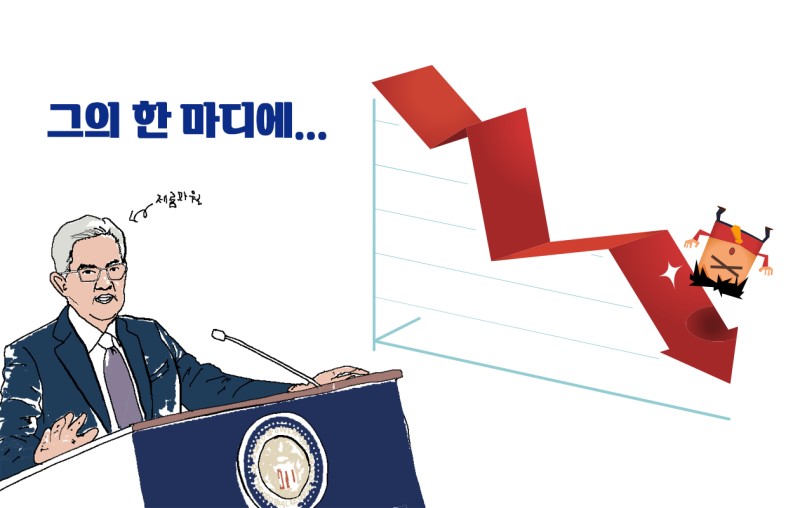
As seen in the pressure from Secretary Bessent on the Fed, the current global economy is passing through a very chaotic phase where political and economic logics clash. In times like these, individual economic actors should focus on checking their financial status and conservative asset management rather than reacting emotionally to external factors. Investments made with excessive borrowing can become time bombs that may explode at any moment, so buffer mechanisms against interest rate volatility must be established. Additionally, thoroughly understanding monthly cash flow and reducing unnecessary expenses to secure emergency funds is the most reliable financial strategy. No matter how the economic situation unfolds, new opportunities will find those who are prepared, and a crisis is a synonym for both danger and opportunity. One should not be swayed by hearsay or uncertain rumors but make independent decisions based on credible economic indicators and expert analysis. The conflict between the Treasury Secretary’s remarks and the central bank, which we examined today, is ultimately a realistic issue closely tied to household interest rates. We hope that you will respond wisely and calmly to the incoming wave of change, safely protect your valuable assets, and prepare for a better future.
In an economic environment dominated by uncertainty, one must guard against excessive debt and turn crises into opportunities through rigorous cash flow management.
Frequently Asked Questions
=