The government has completely restructured the Innovative Pharmaceutical Enterprise (IPE) system by dividing it into “Leader” and “Leap” categories. This reform aims to improve the fundamental structure of the domestic pharmaceutical and biotechnology industry and enable promising startups to leap to world-class levels. The core objective of this overhaul is to overcome the limitations of the past, where companies of varying sizes and capabilities were evaluated by the same standards, and to provide precise support tailored to each company’s growth stage. For instance, mid-sized pharmaceutical companies whose R&D investments have reached a steady state are categorized as “Leader” to drive large-scale achievements, while early-stage startups with innovative ideas are designated as “Leap” to receive intensive support. This change goes beyond mere paper certification; it leads to actual budget support and regulatory relaxation, generating high expectations in the field. In this article, we will carefully examine the specific details and outlook for how this newly introduced dual-track system will bring changes to the pharma-bio ecosystem. We hope you will join us in witnessing the new leap of South Korea’s pharmaceutical industry.
=
Building a Growth Ladder for New Drug Development: The Innovative Pharmaceutical Enterprise System Split into Leader and Leap Types
1. Background of the Leader and Leap Dual-Track System
The existing unified certification system had practical limitations in fairly supporting pharmaceutical companies of diverse sizes and capabilities. This was because companies pushing new drug development based on massive capital and early-stage startups that had just established their research labs had to compete under the same criteria. To resolve this contradiction, the government devised a dual-track plan that finely categorizes companies by size and R&D capability to provide tailored benefits. In fact, for the past few years, voices from the field have consistently pointed out that the challenges faced by large and small companies are diametrically opposed. Large companies desperately needed support for the costs of large-scale clinical trials, while startups urgently needed to secure laboratory equipment and initial funding. Therefore, this reform is an expression of the will to faithfully reflect the voices from the field and supply the most necessary tailored “nutrients” to each stakeholder. This structural change will serve as a very solid cornerstone for South Korea to emerge as a pharmaceutical powerhouse.
The system has been split into Leader and Leap types to provide tailored support considering differences in company size and capability.
2. A Growth Ladder for Promising Startups

The biggest hurdle faced by new pharmaceutical and biotech companies is that while they have good ideas, they lack sufficient funding and experience. The newly established “Leap” certification system acts as a sturdy rope to help these early-stage startups safely cross the “valley of death.” In the past, promising companies that were outmatched in terms of financial power and sales scale often failed to secure government support projects. Now, they have the opportunity to get on their own growth trajectory. For example, there was a case where a small research institute in a regional area discovered a unique anticancer treatment substance but was struggling because it could not find investment. Now, if designated as a “Leap” company, an environment will be created where they can focus entirely on R&D through special financial support and expert advisory services. Ultimately, this will serve as a fountain of youth that broadens the base of the domestic pharmaceutical ecosystem and identifies future major pharmaceutical companies in advance. Building this growth ladder will boost the entrepreneurial enthusiasm of young researchers and have a positive impact on job creation.
The Leap certification provides a foundation for promising early-stage startups with limited funds to focus solely on research.
3. Strategy for Creating Major Achievements for Leader Companies
Mid-sized and large pharmaceutical companies that already possess a certain level of sales and R&D capability are classified as “Leader” companies and are moving to secure global competitiveness. The main goal of the Leader category is to accelerate the entry of domestic new drugs into overseas markets and achieve tangible results such as large-scale technology exports. For these companies, support is concentrated on costs for large-scale clinical trials and the training of specialized personnel to deal with global regulatory agencies. This is like a timely rain for companies that hold multiple independent new drug development pipelines but have been struggling due to long payback periods. In fact, a certain domestic pharmaceutical company almost had to transfer the rights to a foreign company because it could not afford the enormous clinical trial costs despite having an excellent candidate substance. In the future, with Leader support, such outflow of national wealth can be prevented, and blockbuster drugs made by our own hands can be presented to the global market. When Leader and Leap companies each fulfill their roles in their respective positions, the overall scale of South Korea’s pharmaceutical industry will leap to the next level.
Leader companies are tasked with creating world-class achievements by focusing on large-scale clinical trials and global expansion.
4. Inducing R&D Investment and Strengthening Incentives
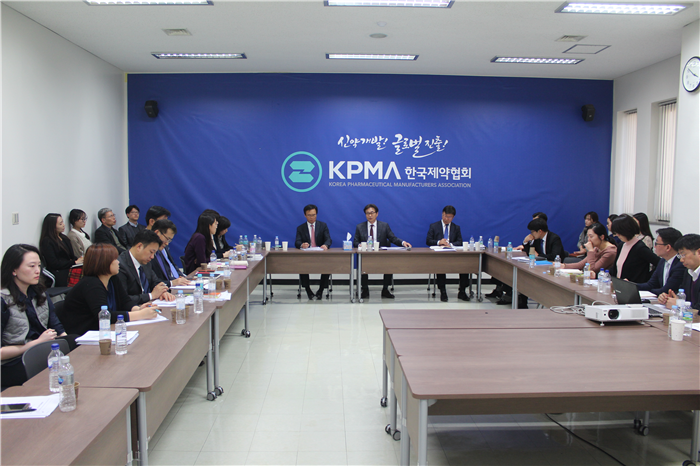
One of the most notable aspects of this system reform is granting exceptional benefits to companies with high R&D investment ratios. Rather than simply certifying companies based on large sales figures, the core indicator is how boldly they are investing in technology for the future. This serves as a strong motivation for domestic pharmaceutical companies to stop being complacent and continuously discover innovative new drug substances. It effectively guides companies away from the past practice of focusing solely on marketing while neglecting R&D. The government is linking practical incentives such as tax benefits and drug price preferences to encourage companies to voluntarily open their labs and hire talent. If this atmosphere takes root, the domestic pharmaceutical industry can transform from being centered on simple generic drug production into a true holder of original technology. Ultimately, a virtuous cycle is completed where active corporate investment leads to expanded treatment opportunities for patients and national economic growth.
Strengthened incentives centered on R&D investment performance drive voluntary technological innovation by companies.
5. Harmony Between Field Communication and Regulatory Innovation
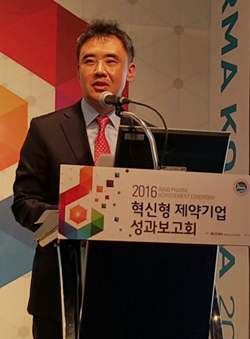
No matter how good a system is, it is useless if it does not work properly in the field, so close communication between the government and companies is essential. During this reform process as well, detailed guidelines were refined by reflecting the fresh opinions of numerous pharmaceutical and biotech company representatives and researchers. A representative example is the bold removal of regulations that unnecessarily hindered the new drug approval review process and the introduction of a rapid review system. Researchers in the field are welcoming this, stating that they can now reduce time spent on administrative procedures and focus solely on experiments and data analysis. The government plans to hold regular meetings in the future to supplement any deficiencies in system operation and immediately resolve field issues. This flexible administrative service acts as a catalyst to maximize private sector creativity in the pharmaceutical field, which has the characteristics of a regulated industry. When regulatory relaxation and transparent support are intertwined, South Korea can establish itself as a true advanced healthcare nation.
Regulatory innovation reflecting field voices and close communication act as key success factors for the establishment of the system.
6. Future Outlook and the Future of the Pharma-Bio Industry
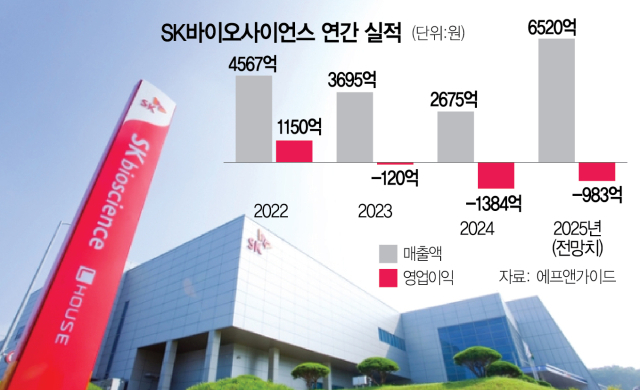
South Korea’s pharmaceutical industry, now wearing the new clothes of the Leader and Leap dual-track system, is preparing for a full-fledged takeoff on the world stage. All stakeholders, from early-stage startups to global pharmaceutical companies, will receive optimal support in their respective positions and generate synergy. It will be a great pleasure to watch numerous promising startups climb this growth ladder and grow into world-class pharmaceutical companies. We hope you will watch with affection how innovative new drugs developed by our country’s biotech companies will change our lives. We expect this system reform, achieved through the joint efforts of the government and the private sector, to become a decisive turning point in leading South Korea to become a global pharmaceutical powerhouse. In the coming future, we will proudly see treatments made with our technology alleviating the suffering of patients worldwide. This positive change will serve as a solid foundation responsible for the nation’s future food source, injecting vitality into our economy.
Through the systematic construction of a growth ladder, South Korea’s pharmaceutical industry is expected to leap to a world-class powerhouse.
Frequently Asked Questions
=