
To receive a stable monthly living expense from the National Pension in your retirement, you should immediately check your estimated benefit amount and formulate a strategy to fill any gaps in your contribution period. I often see acquaintances who are nearing retirement sigh in shock after seeing their pension amounts, which is usually because they did not check their contribution records in advance. In reality, many people postpone checking their pension details because they find the process complex, only to regret it when retirement actually arrives. Recently, discussions have been actively ongoing in the National Assembly and the media regarding structural reforms and the introduction of financial stabilization mechanisms to enhance the sustainability of the pension system. In this article, we will thoroughly examine everything from how to easily check your estimated benefits to the conditions for receiving a lump-sum refund, as well as recent institutional changes. The more you prepare in advance, the more secure your retirement will be, so please read this content to the end.
=
Checking Your National Pension Estimated Benefits: Everything You Need to Know About the 2026 Structural Reform and Additional Contribution System

1. How to Check Your Estimated National Pension Benefits and Tips
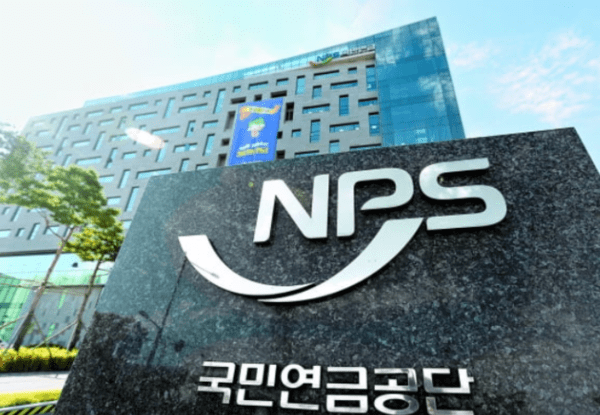
The process of checking your estimated National Pension benefits is not as complicated as you might think and can be easily done through the official website or smartphone app. While many people believe the inquiry is difficult, once you complete the authentication process using a public certificate or simple authentication, the amount you can receive in the future based on the premiums you have paid so far is displayed directly on the screen. Mr. Kim, an office worker living in Seoul, recently checked his own records and was surprised to learn exactly how much he has been accumulating each month. Shocked by the amount being lower than expected, Mr. Kim made plans to extend his contribution period using the additional contribution system. Simply checking your pension balance and estimated amount regularly can greatly help in creating a concrete retirement fund plan. Since you can check the information with just a few taps on your smartphone screen, I recommend trying it on your way home from work today. When checking your estimated benefits, keep in mind that the actual amount received may vary depending on inflation rates or changes in your future income. Rather than being disappointed by a single number, use this as an opportunity to consider how you can pay more premiums during your remaining contribution period.
You can easily check your estimated National Pension benefits through smartphone authentication and start preparing for your retirement.
2. The Crossroads of a 10-Year Contribution Period: Conditions for Receiving a Lump-Sum Refund
The National Pension operates a lump-sum refund system that returns the money you have paid, along with interest, if you reach old age without meeting the minimum 10-year contribution period. Mr. Park, who reached mandatory retirement with a contribution period of 9 years and 11 months, was initially devastated, believing he would not receive any pension at all. However, fortunately, by carefully reviewing the conditions for applying for a lump-sum refund, he was able to receive a lump sum consisting of the principal he had paid plus a modest amount of interest. The lump-sum refund is a valuable right that can be claimed when specific reasons occur, such as reaching the age of 60 or losing nationality. Since the opportunity to receive a lifelong pension can disappear if you do not fill in just a little more of your contribution period, receiving a lump sum is not always the right answer. Therefore, if you are close to the 10-year benchmark, it is much more advantageous to secure your pension eligibility through voluntary enrollment or additional contributions rather than taking a lump sum. However, if your financial situation is extremely urgent and you need immediate living expenses, you may actively consider claiming a lump-sum refund. Nevertheless, you need the wisdom to carefully decide by considering the value of a lifelong pension from a long-term perspective.
You must understand the conditions for a lump-sum refund, which can be applied for if your contribution period is less than 10 years, and the importance of making a careful choice.
3. The Relationship Between the Basic Pension and National Pension: The Secret of Recognized Income
Receiving the National Pension does not automatically disqualify you from receiving the Basic Pension; eligibility is determined based on your total recognized income. Mr. Lee, who had a house and a small savings account after retirement, assumed he would naturally be excluded from the Basic Pension because he was also receiving the National Pension. However, after visiting the local community center for a consultation, he found that his total recognized income, which included his savings, real estate, car, and National Pension income, was below the selection threshold, allowing him to receive the Basic Pension safely. The Basic Pension is not calculated by simply looking at the cash balance in your bank account but by converting various assets, so eligibility can sometimes be decided by a difference of just one won. You must accurately understand how your assets and income are calculated to prevent giving up on applying due to unnecessary misunderstandings. It is not the case that receiving a high National Pension amount automatically puts you at a disadvantage for the Basic Pension, so it is essential to calculate your exact recognized income. The government and local governments adjust the Basic Pension selection standard amount every year, reflecting inflation rates and income growth rates. Therefore, even if you were disqualified last year, you may be included as an eligible recipient this year if the standards change, making it important to develop the habit of checking regularly.
Regardless of whether you receive the National Pension, you must accurately calculate your recognized income to determine eligibility for the Basic Pension.
4. How Much Do You Need to Pay to Receive 1 Million Won Per Month?
To receive more than 1 million won per month from the National Pension in retirement, you need to significantly increase your contribution period and monthly payment amount. Mr. Jung, an office worker, determined that he needs at least 1 million won per month after retirement to maintain a basic standard of living and began researching ways to extend his contribution period. If you simply rely on your income from your younger years, the pension you receive later may not meet your expectations, so you should consider additional contributions in advance. Representative methods include switching to a regional subscriber to continue paying premiums after leaving your job or utilizing the additional contribution system for periods of career interruption. Achieving the goal of 1 million won per month requires a consistent contribution period of over 20 years, so a long-term approach is necessary. According to tips from retired seniors around us, those who invested a certain portion of their income in pensions early on enjoy the most comfortable lives in retirement. While the monthly premiums may feel burdensome, you must remember that they are the most powerful safety net supporting your life after retirement. By slightly reducing your current expenses, you can secure a reliable future monthly income.
A long-term contribution period of over 20 years and consistent payments are essential to receive a pension of 1 million won per month.
5. Discussions on the 2026 National Pension Structural Reform and Financial Stabilization Mechanism
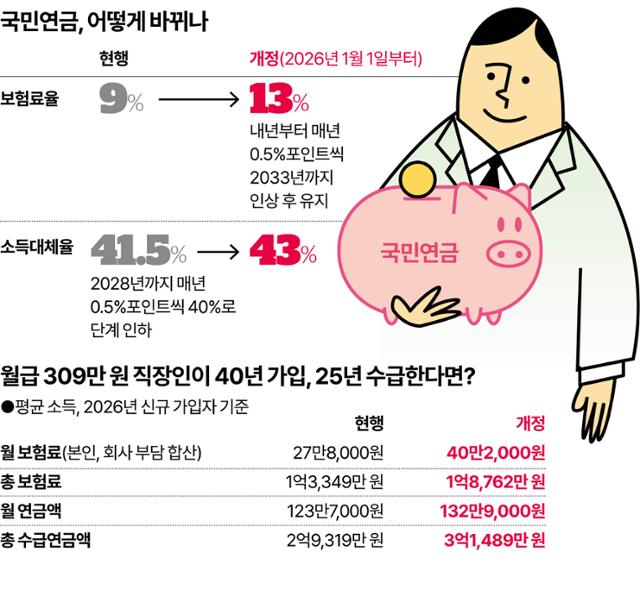
Recently, large-scale structural reform forums have been held between political circles and expert groups to ensure the sustainability of the current National Pension system in 2026. Concerns are growing that younger generations may pay more premiums than older generations yet still fail to receive adequate pensions later, leading to heated debates over intergenerational fairness. The National Assembly Pension Special Committee and private experts agree that a Korean-style financial stabilization mechanism should be introduced promptly to delay the depletion of the fund and normalize the system. These institutional changes are not merely a matter of adjusting numbers but are highly sensitive and important issues directly linked to the retirement welfare of the entire population. Ordinary citizens also need to monitor the direction of pension reform through the news and flexibly adjust their contribution strategies accordingly. The government must provide transparent information and prepare alternatives that fairly share the burden across generations to restore public trust. Regardless of how the pension system is reformed, the fundamental principle of personally managing and preparing your contribution period never changes. It is required to have the wisdom to check your retirement preparation status in line with changing policy trends.
Discussions on the 2026 pension structural reform and the introduction of a financial stabilization mechanism to enhance sustainability are actively underway.
6. Warm National Pension Sharing Activities with the Local Community
The National Pension Service and related institutions are continuously carrying out various sharing activities to help marginalized neighbors in the local community, going beyond the simple task of paying pensions. Before major holidays, beef bulgogi and fruit baskets prepared by the joint efforts of service employees and the local community are often delivered to welfare facilities across the country, such as the Masan Welfare Center for the Disabled. Additionally, the Geumgang Senior Comprehensive Welfare Center held an academy where recipients shared life stories like fairy tales, which received a great response. These social contribution activities make a significant contribution to public institutions fulfilling their social responsibility and making life after retirement more abundant. Pensions can be seen as a warm bond of social solidarity that connects generations and neighbors, rather than just a system of exchanging money. We hope that this culture of sharing will spread further, delivering hope to more people who need a helping hand. Readers, while faithfully preparing for your own retirement, please also demonstrate mature civic awareness by paying warm attention to the difficult neighbors around you. When a robust pension system and a warm heart come together, our retirement will become safer and happier.
Sharing activities by National Pension-related institutions in the local community strengthen social solidarity and improve the quality of life in retirement.
Frequently Asked Questions
=