
The Four Major Social Insurances are a mandatory system that all workers must enroll in, regardless of their probationary period, if they work more than 15 hours per week. Whether you are looking for a new job or running a business, calculating and processing the monthly insurance premiums is a common headache. If you do not accurately understand how these premiums are deducted from your pre-tax salary, you risk facing a massive tax bill later or missing out on eligible benefits. Recently, there have been discount promotions for those who pay via auto-debit, making it essential to be savvy about these savings. In this article, we will thoroughly examine everything from the precise enrollment conditions for the Four Major Insurances to tips for applying for auto-debit, as well as precautions regarding probationary periods and leaves of absence. By reading this article to the end, you will clearly learn how to properly secure your rights so that the insurance premiums you pay every month are well spent.
=
Essential Guide: From Four Major Insurance Enrollment Conditions to Auto-Debit Discounts

1. Probationary Period and Four Major Insurance Enrollment Criteria
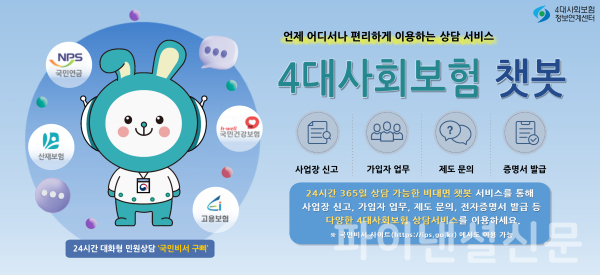
There is a widespread misconception that employers can delay enrolling new hires in the Four Major Insurances during their three-month probationary period. However, under the Labor Standards Act, even if an employee is in a probationary period to learn the job, they are subject to mandatory enrollment from their very first day. If an employer intentionally delays or omits enrollment during this period, they may face penalties from the National Health Insurance Corporation or the Workers’ Compensation and Welfare Service. It is not uncommon to find stories of business owners who delayed enrollment due to the “probation” excuse, only to be caught in tax audits or inspections and forced to pay back taxes amounting to several million won. Therefore, the wise approach is to report the employee immediately if they meet the condition of working more than 15 hours per week from the day they start providing labor.
From the worker’s perspective, being enrolled in the Four Major Insurances during the probationary period ensures full coverage for potential industrial accidents and employment insurance benefits. If a company tries to delay processing insurance under the pretext of probation, it is highly likely to be a violation of labor laws, and employees should confidently demand enrollment. While it may be frustrating to see less money left after taxes and insurance premiums are deducted from your salary, this is a valuable investment in building your future safety net. To avoid legal headaches for both the company and the worker, it is most prudent to handle everything according to the principles from the start. There are no legal provisions that exempt probationary periods, so do not be misled by incorrect hearsay from your surroundings.
Even during a probationary period, if you work more than 15 hours per week, you must be enrolled in the Four Major Insurances from the first day without exception.
2. Conditions for Part-Time Workers (Under 15 Hours/Week) and Employees Over 60
When running a shop or company and hiring part-time workers who work less than 15 hours a week, you must carefully consider the application criteria for the Four Major Insurances. Generally, the moment a worker exceeds 15 hours per week, the requirements for National Pension, Health Insurance, Employment Insurance, and Industrial Accident Insurance kick in firmly. The situation changes completely if the newly hired employee is well over the age of 60 or is a family member, such as the representative’s spouse or direct ascendant. For seniors over 60, National Pension is excluded from the enrollment target, but Employment Insurance is strictly applied until the age of 65. When hiring family members as employees, the applicability of Employment Insurance and Industrial Accident Insurance differs significantly from that of regular employees, so it is safe to check with a tax accountant or the relevant public agency in advance.
If you casually handle the Four Major Insurance reporting for employees hired through acquaintances, you are likely to face a “bomb” of penalties and corrective orders from the Ministry of Employment and Labor in the future. Business owners must never forget that exceeding the age of 60 does not automatically exempt an employee from all Four Major Insurances. Health Insurance must be paid unconditionally if the workplace enrollment requirements are met, regardless of age, and Industrial Accident Insurance is mandatory for any worker, even if they work for just one day. Because the criteria for each insurance type vary subtly based on age and working hours, it is easy to get confused. The mindset of running a simulation of Four Major Insurance enrollment before posting a job ad or hiring someone can determine the success or failure of your business.
The applicability of the Four Major Insances varies greatly depending on the employee’s age and work type, so careful verification is essential.
3. Securing Auto-Debit Discount Benefits for the Four Major Social Insurances

If you sigh every time you see the monthly bill for the Four Major Social Insances, consider applying for auto-debit payment to enjoy small fee discounts. The National Health Insurance Corporation regularly runs various discount promotions to encourage auto-debit payments, helping to reduce the burden on citizens. Regional insured households or businesses can enjoy the pleasant benefit of receiving a direct discount on a certain amount of insurance premiums each month by paying via auto-debit. Although it may feel like a small amount of a few hundred won, it can save enough for a chicken meal when accumulated over several months or years. It also completely prevents late payment surcharges caused by forgetting the payment date, which is excellent for managing your credit score.
Applying for auto-debit can be completed in just a few minutes by logging in with a public certificate on the National Health Insurance Corporation’s website or smartphone app. It is a lifesaver for those who find it cumbersome to visit a bank in person or log into internet banking every time to check bills due to their busy daily lives. As long as you prevent the mishap of insufficient account balance, you can catch two birds with one stone: fee discounts and prevention of late payments. Practicing these small saving tips provided by the government or public agencies one by one is the shortcut to becoming a true master of household economics. We strongly recommend taking this opportunity to boldly switch the payment method for your business or personal household’s Four Major Insances to auto-debit.
Paying the Four Major Social Insances via auto-debit allows you to simultaneously enjoy monthly fee discount benefits and prevent late payments.
4. Handling Four Major Insurance Premiums During Sick Leave and Unpaid Leave
It is a major misconception to believe that Four Major Insurance premiums are automatically waived when you take long-term sick leave or apply for unpaid leave for personal reasons. Even if the company does not pay a salary during an unpaid leave period, National Pension and Health Insurance generally require a separate application for payment exemption or deferral. If you go on leave without taking any action, the insurance premiums that should be shared equally by the company and the worker will accumulate and be billed all at once upon return. Every year, countless office workers find themselves in tears upon receiving a massive insurance bill for several months’ worth of premiums immediately after returning to work. Therefore, at the stage of approving the leave, you must clearly negotiate in writing with the HR manager how the Four Major Insurance premiums will be handled.
For National Pension, you can choose not to pay at all by applying for a payment exemption during the leave period, but the downside is that your enrollment period will be shortened. On the other hand, for Health Insurance, the common approach is to defer premium payments during the leave period and pay them in installments after returning to work. For Employment Insurance, premiums are not charged if you are on unpaid leave, but if it is paid leave, they are calculated and charged normally as per the existing method. Managing employees on leave is also a quite difficult task for a company’s tax officer, so workers need to take the initiative to show interest and handle the paperwork. If you relax and assume the company will handle it, you may face a shocking situation where an unexpected large amount is deducted from your account.
Four Major Insurance premiums are not automatically waived during unpaid leave, so you must directly process a payment exemption or deferral application.
5. Final Settlement Process for Four Major Insurances When a Sole Proprietor Closes Their Business
If you have decided to close a shop or company you have operated for a long time, do not mistakenly believe that all procedures are complete just by visiting the tax office. Even after completing the suspension and closure report at the tax office, you must thoroughly finalize the business license cancellation at the district office and the loss-of-qualification report for your employees’ Four Major Insances separately. In particular, if you fail to report the loss of Four Major Insurance qualification for your employees based on the closure date, unnecessary insurance premiums will continue to be charged, increasing the owner’s debt. If you secure various support systems for small and medium businesses, such as public utility fee support or burden reduction credits, during the closure process, it can be a great help for your next challenge. Even in the midst of the hectic closure, you must cleanly complete the final settlement of the Four Major Insances to prevent unnecessary surcharges from the National Tax Service in the future.
Employees wait for the owner to process the loss of Four Major Insurance qualification when filing the closure report, but omissions occasionally occur, causing difficulties in receiving unemployment benefits. From the worker’s perspective, it is wise to directly call the public agency to confirm that the Four Major Insurance processing for their former workplace has been accurately completed. You must verify that the insurance premiums and taxes deducted from your pre-tax salary have been properly paid to avoid disadvantages when applying for personal rehabilitation or unemployment benefits later. Just as the living expenses for an unemployed worker who previously earned 2.5 million won pre-tax are calculated based on the take-home pay after deducting Four Major Insurances and taxes, careful verification is essential. When overcoming the major hurdle of business closure, you must perfectly handle the Four Major Insurance settlement as a final task to start anew with a light heart.
When a sole proprietor closes their business, they must directly handle the loss-of-qualification report and final settlement for employees’ Four Major Insances, in addition to the tax office report.
6. The Importance of Four Major Insurance Management and Proper Response Outlook
As the rates for the Four Major Insances are likely to increase slightly in the coming period, meticulous financial management by both business owners and workers becomes even more essential. The annually rising Health Insurance rates and National Pension contributions are bound to pose a significant financial pressure on both employers and employees. Therefore, it is essential to actively seek and utilize small benefits such as government support policies for small and medium businesses and auto-debit discounts. We need to shift our perspective from viewing the Four Major Insances as simply a tax forcibly deducted every month to seeing them as the most reliable social safety net protecting our future. If you clearly understand the legal criteria and respond according to the principles from the probationary period to the moment of closure, you can perfectly prevent unnecessary disputes and penalties. Based on the information provided today, I sincerely encourage you to check your Four Major Insurance status right now and enjoy a smart economic life.
The Four Major Insances are not just a tax but a future safety net, so you must accurately understand the changing systems and manage them smartly.
Frequently Asked Questions
=