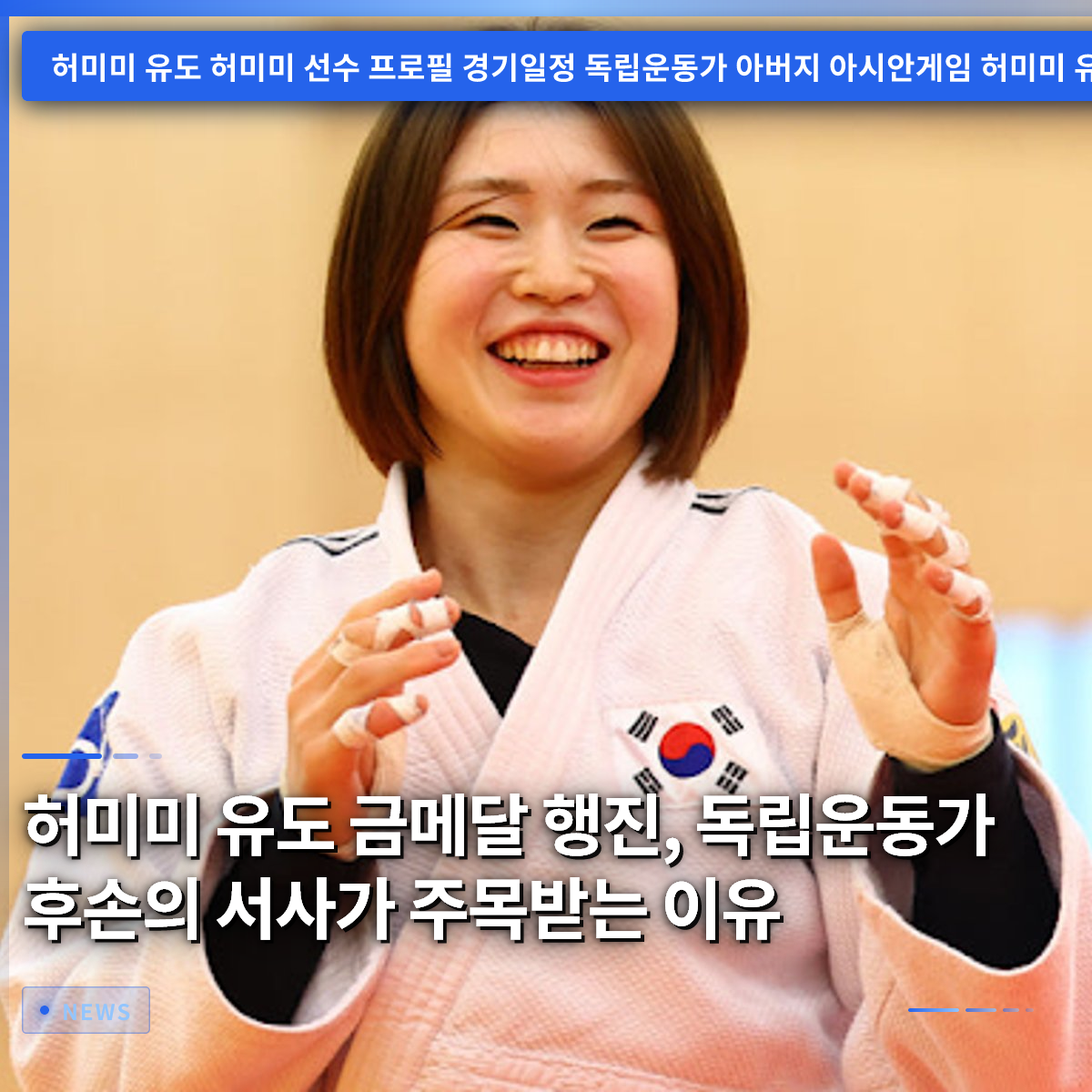
Heo Mi-mi has successfully advanced to the quarterfinals in the women’s 57kg judo category at the 2026 Aichi-Nagoya Asian Games, kicking off her hunt for the gold medal. Born and raised in Japan, her very presence on the mat wearing the South Korean Taegeuk mark has become the biggest topic of this tournament. In particular, since it was revealed that she is the fifth-generation descendant of Heo Seok, an independence activist during the Japanese colonial period, her achievements are being viewed with historical significance that goes beyond simple sports results. The quarterfinals and subsequent matches, starting at 11:35 AM on October 1st (today), are capturing the attention of many fans. Her story, competing on Japanese soil representing South Korea as the descendant of an independence activist, adds depth and a sense of mission to her role as a national team athlete. In this article, we will provide a detailed overview of Heo Mi-mi’s basic profile, her complex family history, and her major international competition results.
=
Heo Mi-mi’s Judo Gold Medal March: Why the Story of an Independence Activist’s Descendant Is Drawing Attention
1. Heo Mi-mi’s Profile and Basic Information at a Glance
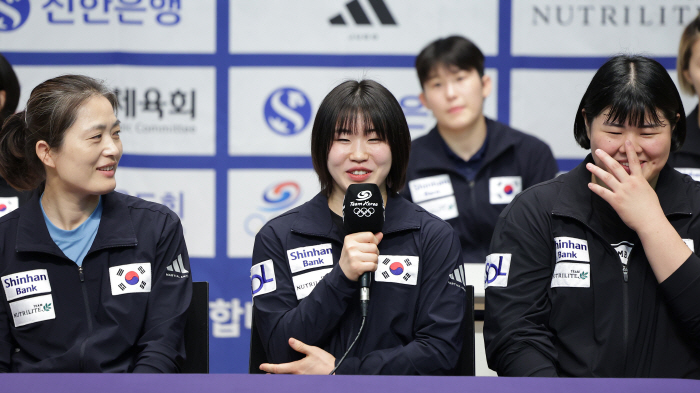
Heo Mi-mi is a young athlete, 23 years old as of 2026, born on December 19, 2002, in Tokyo, Japan. Standing at approximately 159cm, she has a relatively small frame but demonstrates strong competitiveness in the women’s -57kg weight class. She currently belongs to the Gyeongbuk Provincial Sports Council. Her educational background includes graduating from Tokyo International University (Teikyo) Middle School and High School in Tokyo, followed by a degree from the prestigious Department of Sports Science at Waseda University. Looking at her academic and athletic records, her victory in the Japanese Middle School Judo Championships indicates that she had already solidified her status as a promising talent within Japan. Thus, she made the significant decision to choose South Korean nationality after being thoroughly trained in the Japanese academic and athletic environment. Born to a Korean father and a Japanese mother, she has carried the unique identity of a second-generation Korean resident in Japan while competing as a South Korean national team athlete at the age of 23. While athletes of her age are often caught up in the challenges of balancing university life with their athletic careers, she has already established herself as a top-tier international competitor. Her experience studying at Waseda University holds value beyond just an academic credential, serving as the foundation for her intellectual curiosity and systematic training habits. Judo is not only a battle of technique but also a game of psychology and strategy, making her intellectual background a significant weapon.
Heo Mi-mi is a South Korean national judo athlete with the intellectual capabilities of a Waseda University Sports Science graduate, born in Tokyo as a second-generation Korean resident in Japan.
2. The Multifaceted Meaning of Being a Descendant of Independence Activist Heo Seok
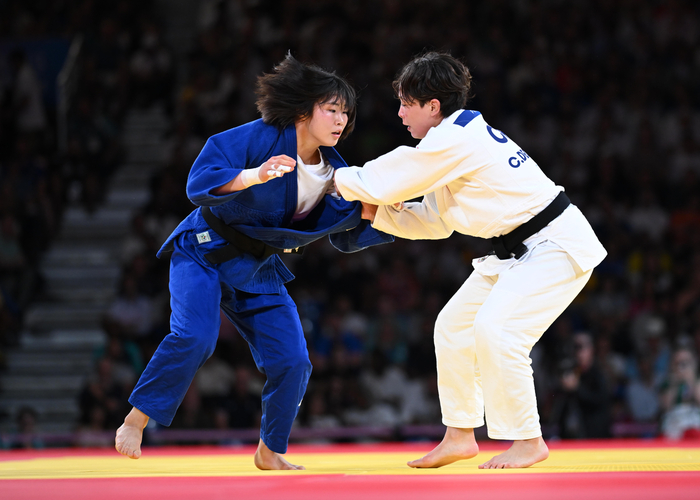
The most notable aspect of Heo Mi-mi’s background is that she is a direct descendant of Heo Seok, who participated in the March 1st Movement for independence. Heo Seok was an independence activist born in 1857 and passed away in 1920; he was a national hero who was arrested by Japanese police and imprisoned for illegally distributing anti-Japanese pamphlets during the colonial period. Heo Mi-mi only learned of her status as a descendant of an independence activist after moving to South Korea to begin her athletic career. Upon first learning this fact, she expressed considerable awe and surprise at the historical weight her family history carried. Her identity as a descendant of an independence activist acts as both a source of special psychological pressure and a great driving force when she competes in international tournaments held in Japan. The fact that a descendant of an independence activist competes wearing the Taegeuk mark in Japan, the land of colonial rule, carries symbolic significance in itself. Through this, she projects not just the desire to win medals, but the aspiration for independence inherited from her ancestors and a sense of mission for her country into her matches. This inner strength also serves as an important factor in maintaining a stable mindset during tough battles for ranking.
Her lineage as the fifth-generation descendant of independence activist Heo Seok grants Heo Mi-mi a historical sense of mission that goes beyond simply competing on the Japanese stage.
3. Her Grandmother’s Last Words and the Drive to Choose South Korean Nationality
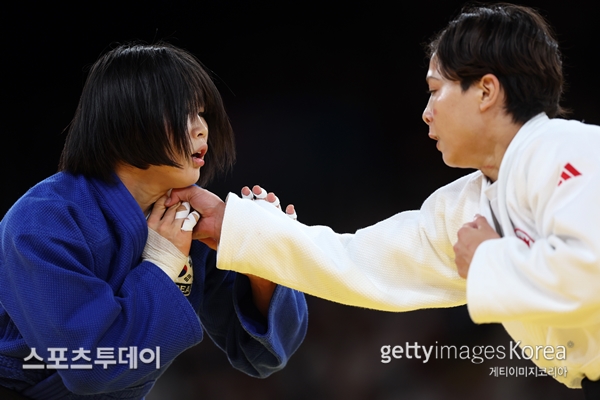
The greatest driving force behind Heo Mi-mi’s transformation into a national team athlete was the lifelong wish of her late grandmother. Her grandmother, who passed away in 2021, had desperately wished to see her granddaughter, Heo Mi-mi, standing on the international stage as a South Korean national team member. To fulfill her grandmother’s wish, Heo Mi-mi, after much deliberation, renounced her Japanese citizenship and acquired South Korean nationality. This process carried deep, multifaceted meaning, akin to inheriting a family legacy, going beyond mere administrative procedures. Since 2022, she has competed in international tournaments wearing the Taegeuk mark, establishing herself as a key player in the Korean judo team. Ahead of the Paris Olympics, she focused her training with a resolve to sing the national anthem on the podium. Although she narrowly missed the gold medal in the final, the will and effort she displayed during that process resulted in a silver medal in the individual event and a bronze medal in the team event. For this Nagoya Asian Games, she is training with a firm determination to bring a gold medal to her grandmother’s grave.
Renouncing her Japanese citizenship to choose South Korean nationality in order to honor the dying wish of her late grandmother was the biggest turning point in her athletic career.
4. 2026 Nagoya Asian Games: Schedule and Path to Advancement
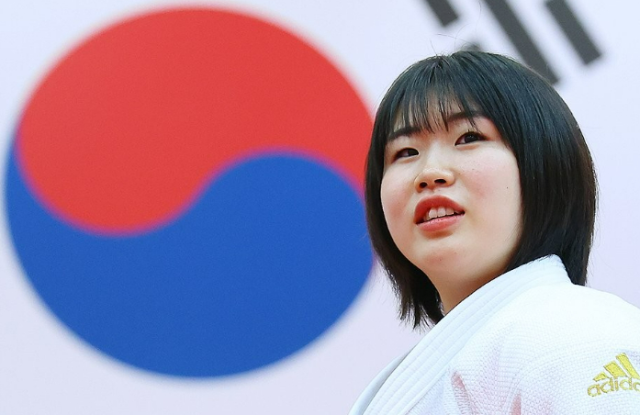
As of October 1, 2026, Heo Mi-mi has advanced to the quarterfinals in the women’s 57kg category, continuing her bid for a medal. The match is scheduled to take place at 11:35 AM KST at the Ikonami Gymnasium. Since this is her first individual appearance at the Asian Games, the pressure on her is inevitably high. In the previous round of 16, she secured a decisive victory to reach the quarterfinal stage. Competing in front of Japanese audiences can favor opponents with a home-court advantage, but Heo Mi-mi is showing confidence based on the prestige of her World Championship gold medal won in France. Her opponent is a player who advanced from the group stage and is seeking a definitive victory. Fans are engrossed in the broadcast, cheering for her fighting spirit and hoping for a miracle. As such, situations where an athlete from a foreign country competes against the host nation in a tournament hosted by that country always lead to dramatic developments.
The quarterfinal match starting at 11:35 AM on October 1st is a crucial battle for Heo Mi-mi’s first individual Asian Games medal.
5. Analysis of Heo Mi-mi’s Performance, Etched in World Judo History
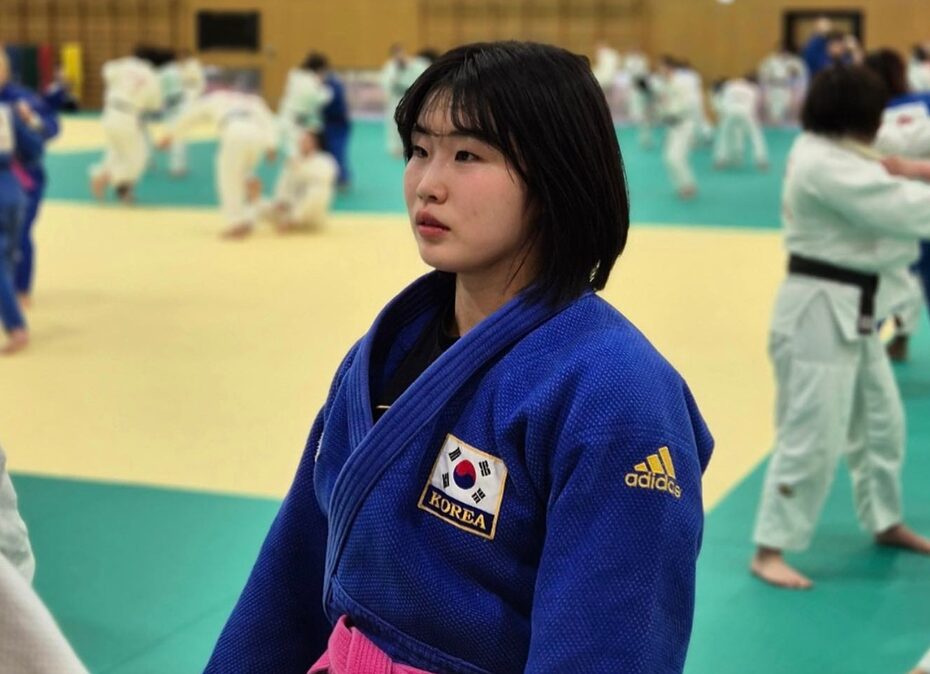
The records Heo Mi-mi has shown on the international stage are by no means light. She first tasted the joy of winning a major tournament by winning the gold medal at the 2022 Tbilisi Grand Slam. However, the truly legendary moment came at the 2024 Abu Dhabi World Championships. There, she won the gold medal in the women’s 57kg category, setting a major milestone in Korean judo history. This was a great achievement as it marked the first time a Korean woman had topped the individual World Championships since 1995, a span of 29 years. Against this backdrop, she claimed the silver medal at the 2024 Paris Olympics, proving her formidable competitiveness on the Olympic stage. Despite undergoing shoulder surgery and rehabilitation due to an injury, her skill level did not decline but rather manifested as an accumulation of experience. Currently, her skill is evaluated as the best in her weight class, effectively securing top placements in major international tournaments. These consistent results prove that her desire for a gold medal at the Asian Games is not excessive.
Her record of winning the World Championship gold medal for the first time in 29 years and her Olympic silver medal serve as benchmarks proving that Heo Mi-mi is a top-tier athlete on the current world judo stage.
6. Future Vision Expected from the Next Generation of Korean Women’s Judo
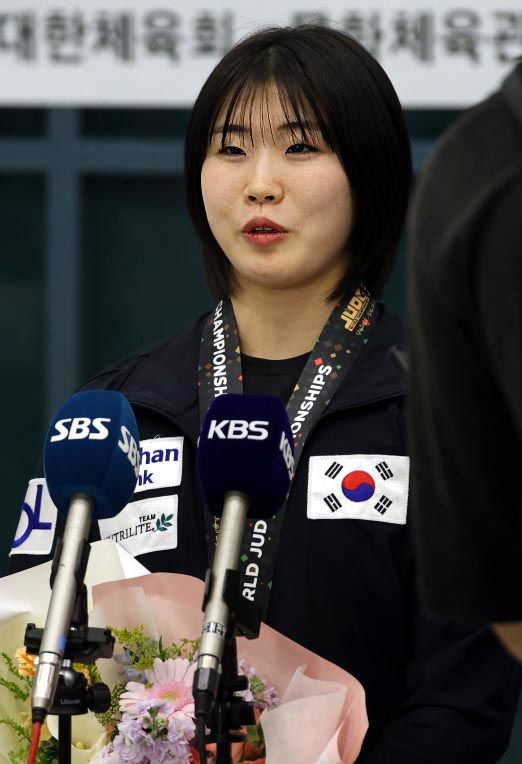
The results Heo Mi-mi has shown at this Asian Games paint a blueprint for the future of Korean women’s judo. Her choice, made after much deliberation regarding her nationality, has ultimately confirmed her potential to bring world-class gold medals to Korea. Her grandmother’s last words, her destiny as a descendant of an independence activist, and her top-of-the-world skill level show that she is someone who has transcended these elements. Now, her focus is concentrated on winning the gold medal at the Nagoya Games, and this is expected to be the starting point for multiple Olympic and World Championship victories. Readers, please join us in cheering for her victory by watching the matches scheduled for this coming Friday afternoon. Feel free to share your thoughts on her performance or family history in the comments. Also, by following us, you can ensure you never miss new sports articles. Until the moment Heo Mi-mi fulfills the wish she deeply longs for her grandmother, we will watch her journey together.
Heo Mi-mi’s gold medal win on the Japanese stage will be a great achievement for Korean judo, and her success story, combined with her family history, inspires many.
Frequently Asked Questions
=