A fascinating survey revealed that medical expenses paid by card at hospital counters have increased by over 16% over the past two years. Scrutinizing card transaction records from local clinics to large general hospitals reveals the pain points and interests of our society. Visits to internal medicine departments remain overwhelmingly the most common, driven by everyday ailments like colds and mild stomachaches. However, behind this lies a bitter reality: the number of pediatric and adolescent medicine consultations has significantly declined, hit hard by the low birth rate. Conversely, as the trend of spending generously on appearance enhancement spreads, card payment amounts for plastic surgery have followed a steep upward curve. Let’s take a closer look at where our neighbors are spending their money amidst these ever-changing hospital usage patterns.
=
Hospital Visits Through the Lens of Card Spending: Internal Medicine Leads, Plastic Surgery Surges
1. Soaring Medical Costs and Shifting Hospital Trends
In recent years, the total scale of medical expenses paid by citizens to hospitals and clinics has grown noticeably. Statistics show that the total amount of medical expenses paid by card has increased by approximately 16.9% compared to two years ago. This is partly due to rising prices and an increase in non-covered medical items, but it also indicates that more people are taking their health seriously. In fact, waiting rooms at local internal medicine clinics are packed with patients ranging from infants to the elderly on weekends. The habit of rushing to the hospital at the first sign of a cold has accumulated, expanding the overall scale of medical expenditure. This surge in card spending serves as an indicator of how much investment in health management and appearance improvement has increased. The card statements we swipe habitually every month contain a clear report card on the health of the Korean people. By examining the profiles of those who frequently visit hospitals, we can read not only seasonal disease changes but also generational interests at a glance.
With medical expenditure increasing by over 16%, hospital visits for the treatment of common illnesses are steadily rising.
2. The Unrivaled Power of Internal Medicine: Still the Top Contributor
If asked to name the medical department with the highest card payment volume in South Korea, internal medicine is undoubtedly the leader. Since local internal medicine clinics are the first stop for sore throats or stomach discomfort, the number of transactions is naturally high. Mr. Kim, an office worker, says he visited an internal medicine clinic three times this month for cold and gastritis treatment, swiping his card each time. Middle-aged and elderly patients with chronic conditions like hypertension or diabetes also regularly visit internal medicine clinics to pick up their monthly prescriptions. By covering everything from minor illnesses directly affecting quality of life to adult diseases requiring consistent management, internal medicine holds a dominant share of revenue. This is why there is always at least one or two internal medicine clinics in residential areas across the country. Internal medicine, which acts as a daily shield on the front lines of national health, will continue to account for the largest share in card spending statistics. Influenza outbreaks with every change of season and respiratory diseases on days with heavy fine dust keep internal medicine consultation rooms bustling.
Thanks to the demand for chronic disease management and treatment of common illnesses, internal medicine remains the department with the highest card spending.
3. The Secret Behind the Noticeable Surge in Plastic Surgery Spending
The most striking change in recent card spending data is undoubtedly the sharp increase in plastic surgery expenses. While it previously enjoyed a brief boom only during vacation seasons or job preparation periods, it now records consistent sales regardless of the season. In fact, the amount paid by card at plastic surgery clinics has increased by more than 22% compared to two years ago, proving remarkable growth. As middle-aged and elderly people who invest generously in themselves join the young demographic, costs for procedures and surgeries have risen significantly. With mask-wearing becoming a thing of the past, the number of people opening their wallets for skin care and simple cosmetic procedures has exploded. Large plastic surgery clinics in the Gangnam area are bustling with foreign tourists and domestic consumers even on weekday afternoons. This shows that grooming one’s appearance has firmly taken root not as a mere luxury, but as a method of self-management to boost confidence. It means that more and more people are making the decision to swipe their cards to improve the parts they have always been concerned about when looking in the mirror.
Card payments for plastic surgery have surged significantly due to an explosion in interest in appearance management and the trend of self-investment.
4. The Sighs of Pediatrics and Adolescent Medicine in the Shadow of Low Birth Rates
Not all medical departments are thriving; in fact, pediatrics and adolescent medicine are walking a lonely path in the opposite direction. As the low birth rate continues for several years, local pediatric clinics where children’s laughter has disappeared are closing one after another. Card spending data revealed a shocking figure: the number of visitors to pediatric and adolescent medicine clinics has decreased by nearly 40% compared to two years ago. As fewer families have children, the number of pediatric patients has plummeted, leading directly to deteriorated hospital management. The scene of parents holding babies and rushing to open early on weekends is a thing of the past, and more doctors are now considering changing their specialty or closing their practices. As children’s cries diminish, one root of South Korea’s medical ecosystem is deeply shaken. The crisis in the field of pediatric care, a crucial indicator of the nation’s future, is a serious social issue that goes beyond simple hospital management difficulties. The difficult environment for raising children is clearly reflected in medical consumption indicators, making urgent and deep-seated countermeasures necessary.
Due to the impact of low birth rates and the decreasing child population, pediatric and adolescent medicine consultations and card spending have recorded a serious decline.
5. The Journey from Local Areas to the Capital Region for Medical Care
The flow of patients leaving their local areas to head to large hospitals in Seoul or the capital region is unceasing. An analysis of card payment records revealed that nearly half of the visitors to so-called major hospitals in the capital region are residents of local areas. This is because even if there are excellent hospitals in their hometowns, people tend to seek out more famous and skilled medical professionals for serious illnesses. The amount spent by patients and their guardians from local areas at restaurants and pharmacies near large hospitals in Seoul is enormous. The entire process of traveling to the capital via KTX or long-distance bus for treatment and accommodation creates a massive medical consumption ecosystem. As the concentration of medical resources in the capital region intensifies, the financial burden of long-distance medical visits for local patients is snowballing. Behind the impressive treatment records of large capital region hospitals lies the gap in the local medical system and the arduous travel of patients. This is why voices are growing louder about the lack of an environment where one can receive trusted treatment in their own neighborhood.
A significant portion of visitors to large capital region hospitals are local residents, leading to medical concentration and additional costs.
6. The Future of South Korea’s Health Report Card Read Through Card Spending Data
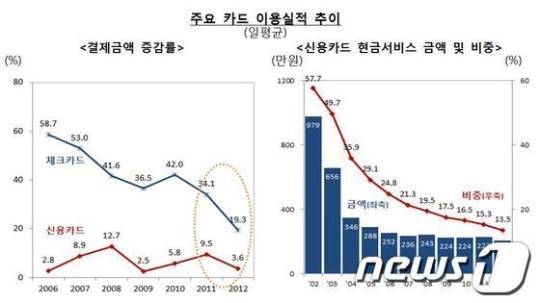
Closely observing where our wallets open clearly shows the direction in which South Korean society is heading. There is a clear polarization: money consistently flows to places requiring everyday treatment like internal medicine, while spending on aesthetics like plastic surgery is surging. On the other hand, pediatrics and adolescent medicine, which have directly absorbed the shock of low birth rates, face a situation where national-level support and structural reform are urgent. It is expected that the proportion of installment payments using smartphone simple payments or credit cards will increase further compared to cash when using hospitals in the future. Medical consumption related to wellness, where individuals manage and prevent their own health, is also highly likely to continue drawing an upward graph. Readers, please carefully review your monthly medical expenditure details and exercise the wisdom to protect both your health and your wallet. It is most important to cultivate rational hospital usage habits and wisely judge what treatments are truly necessary for you. How about reducing unnecessary expenses and setting a budget for essential health management in line with changing medical trends? We hope the card spending statistics examined today will serve as a reliable guide for planning your wise hospital visits.
Medical consumption trends are being restructured by factors such as low birth rates and a focus on aesthetics, necessitating wise individual health management strategies.
Frequently Asked Questions
=