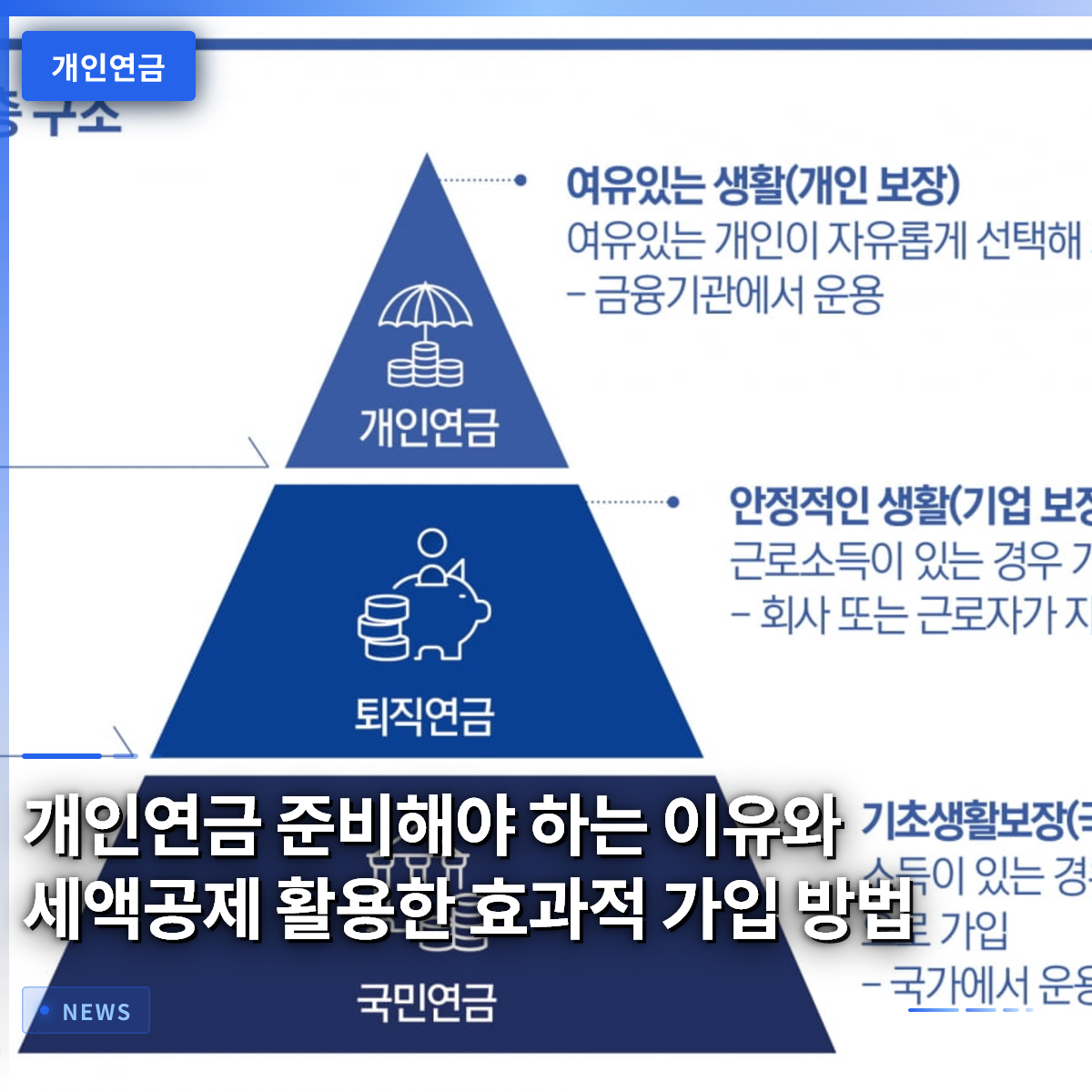
A personal pension is the most reliable means to financially support the extended retirement life of the 100-year era, and it is something you should start immediately. Unlike in the past, as life expectancy increases, the importance of a multi-layered retirement income security system is growing to overcome the limitations of the retirement age system, which was previously based on a 70-year life cycle. For office workers, it is also a representative wealth management tool that allows you to build retirement assets while taking advantage of annual year-end tax settlement deductions. In fact, if you look around, you can easily see people who only vaguely worried about life after retirement and ended up regretting it too late. In this article, we will detail every step of smartly growing your personal pension, from how to check the Integrated Pension Portal to asset management utilizing artificial intelligence technology.
=
Why You Need to Prepare a Personal Pension and How to Enroll Effectively Using Tax Deductions
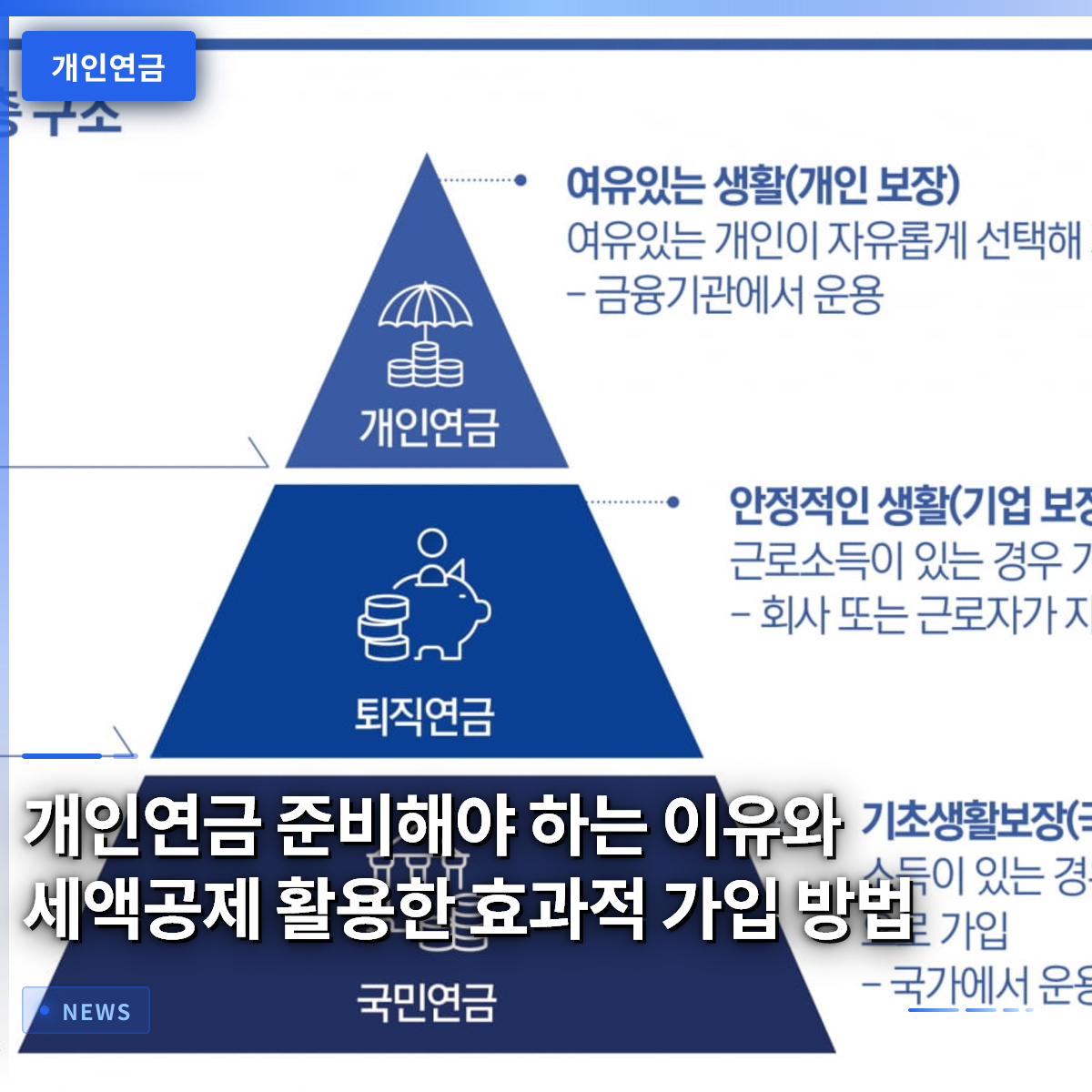
1. How to Use the Integrated Pension Portal
Getting a clear overview of all pension products registered in your name is the first step toward successful retirement preparation. By accessing the Financial Services Commission’s Integrated Pension Portal website, you can check the expected benefit amounts for the National Pension, corporate pensions, and your personal pension for free. Mr. Kim, an office worker, recently discovered a remaining corporate pension balance from a past job that he had forgotten about through this portal and was surprised. Just like this, you must gather and verify your scattered assets to accurately calculate the retirement living expenses you will need in the future.
However, please note that for defined benefit corporate pensions, detailed amounts will only be reflected on the portal screen after the company transfers them to an individual-type corporate pension account. After completing your inquiry, it is advisable to carefully compare the returns and fees of your currently enrolled products. The habit of regularly checking your asset status helps prevent unnecessary expenses and increases your savings capacity.
You should use the Integrated Pension Portal to check your scattered pension assets at a glance and grasp the accurate expected benefit amount.
2. Maximizing Tax Deduction Benefits
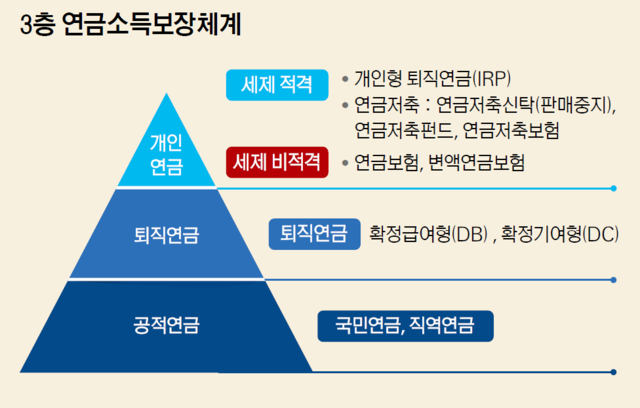
Pension savings accounts and individual-type corporate pension accounts are invaluable assets that provide significant tax deduction benefits during the annual year-end tax settlement. Since you can receive a certain percentage back based on your annual contribution amount, they have become a necessity rather than an option for office workers. Ms. Lee, a young professional, enrolled in a pension savings plan for the first time last year and was thrilled to receive a substantial tax refund during her year-end settlement. Reinvesting this refunded amount or using it as an emergency fund can significantly accelerate asset growth.
Since pension savings and individual-type corporate pensions have their respective limits, a strategy to contribute the optimal amount according to your income level is necessary. You should not only focus on tax benefits but also calculate the pension income tax rate you will have to pay when receiving the pension in the future. Consistently contributing according to your cash flow is much more advantageous in the long run than simply maxing out the limits.
By contributing to pension accounts and claiming the annual year-end tax deduction benefits, you can enjoy the effect of asset growth.
3. Introduction of AI Asset Management
Recently, with the introduction of artificial intelligence technology in the financial market, the process of enrolling in pension products and managing assets has become remarkably convenient. In the past, it took a long time to visit a counter and fill out complex documents, but now it can be easily handled through a smartphone app. Insurance companies’ AI systems analyze customer information precisely and recommend the optimal coverage and pension design plan in just a few minutes. Mr. Park, an office worker, used the AI recommendation service on the subway on his way home from work to compare the expected benefit amounts of the National Pension and his personal pension at a glance.
The development of such technology greatly reduces the burden on general investors who build and manage their own portfolios. Even when the stock market is volatile, referring to the balanced asset allocation strategy proposed by AI can prevent the mistake of selling in panic. It is expected that more advanced technologies will be introduced in the future, making personalized retirement design the norm.
Using AI asset management services allows you to handle complex pension designs and portfolio adjustments easily and quickly.
4. Multi-Layered Retirement Income Security System
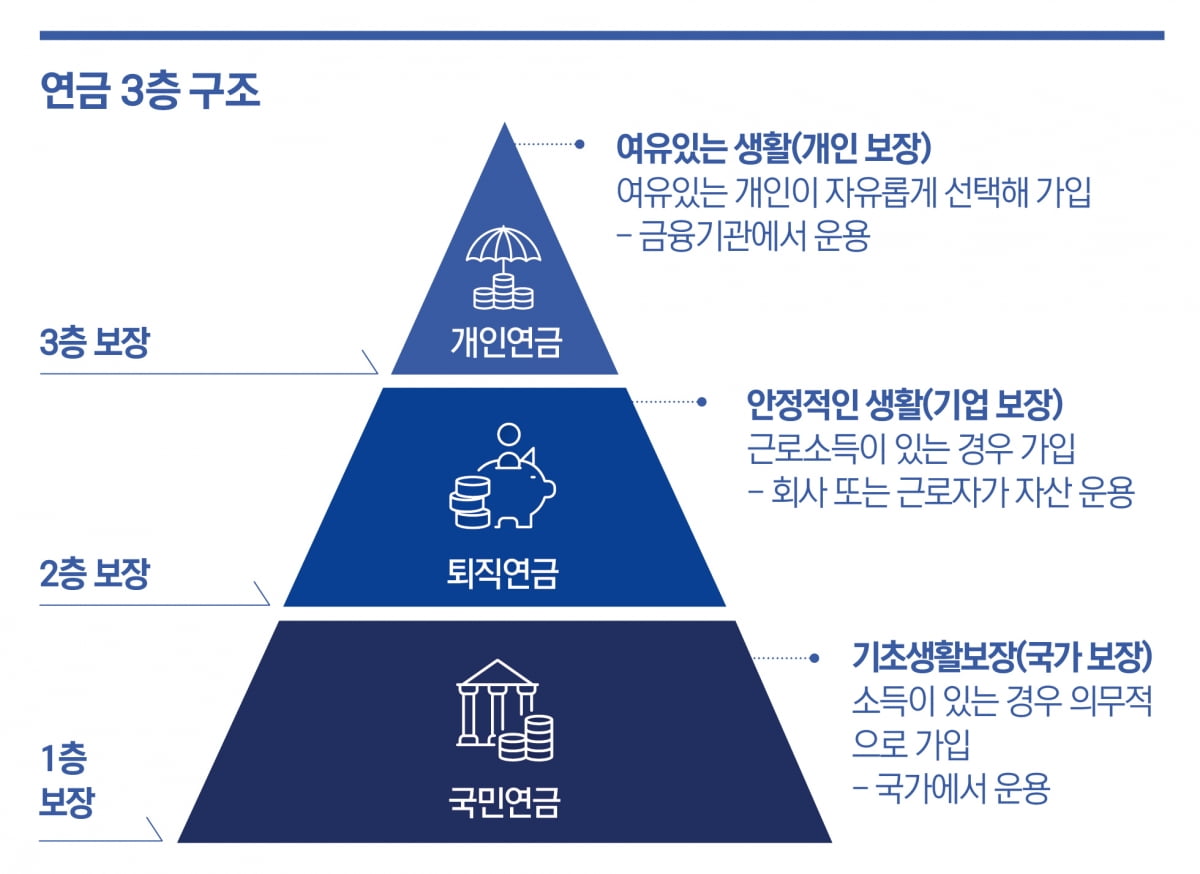
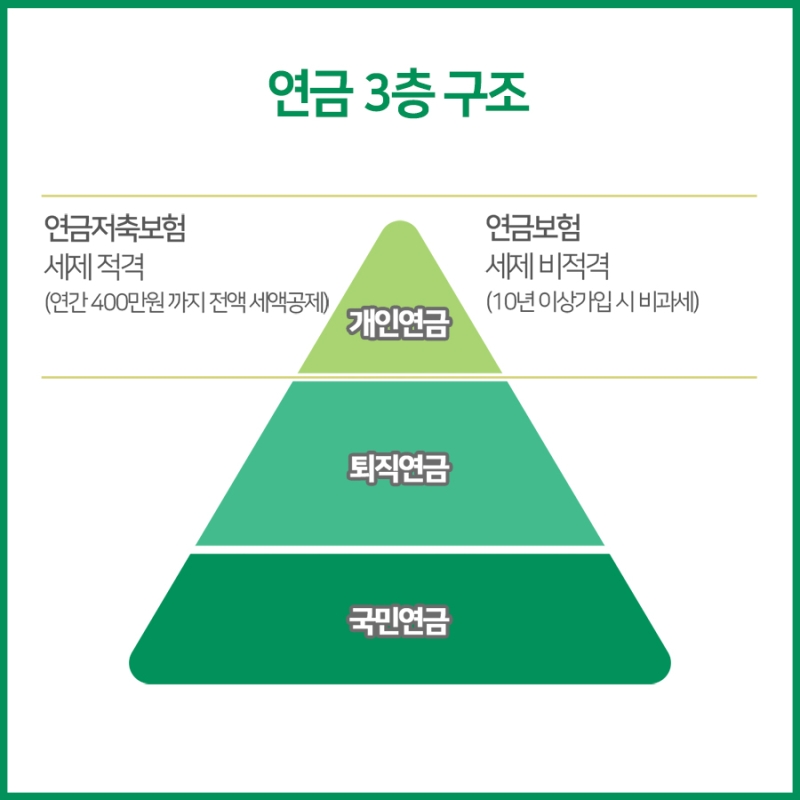
To complete a stable retirement life, you absolutely cannot survive by relying solely on the National Pension provided by the state. You must firmly build a multi-layered structure combining the National Pension, corporate pensions, and personal pensions that individuals voluntarily prepare. Mr. Choi, who works as a freelancer, has been consistently enrolling in a personal pension since his youth to prepare for the future because he does not have a regular monthly salary. For people with unstable income forms, the importance of self-created retirement assets becomes even greater.
The government and the National Assembly are also discussing structural reforms of the pension system and continuing policy forums to strengthen the role of national finance. A consensus has formed that simply saving is not enough to prevent retirement bankruptcy, considering the rate of inflation. Therefore, various pension means should be harmoniously combined to design a stable cash flow for a lifetime.
You must complete a multi-layered retirement income security system combining the National Pension, corporate pension, and personal pension to ensure a safe life after retirement.
5. Long-Term Investment and Portfolio
Since personal and corporate pensions require managing money over a long period of 20 to 30 years, thorough investment principles are necessary. Over such a long period of asset management, you will experience multiple economic crises, such as the stock market crash during the pandemic. Mr. Jung, an ordinary office worker, consistently invested in a rising stock index fund through regular contributions without getting anxious every time the market fluctuated. As a result, he was relieved to see his account balance grow significantly as his retirement date approached.
Putting all your assets into a single asset is very dangerous, as it can lead to significant losses in a volatile market. You should appropriately allocate the proportion of safe and risky assets according to your investment style and adjust the ratio periodically. The most important virtue in long-term investing is the patience to remain steadfast without being swayed by short-term market changes.
You must build and consistently maintain a balanced portfolio to remain steady during the long investment period.
6. Future Outlook and Action Plan
Now that the 100-year era is becoming reality, retirement preparation has become a core issue that determines the quality of our lives, rather than an option. For life after retirement to be a blessing, you must start with the small action of turning on your smartphone today and checking your pension accounts. Regardless of what others say, do not be swayed by external opinions; instead, you should create a realistic savings plan that fits your income and expenditure structure. The small seeds of savings you plant now will become a sturdy support for your life after retirement in the future.
The financial environment will change even faster in the future, and our asset management methods must evolve flexibly to match. Start concretizing your retirement preparation, which may have seemed overwhelming, one step at a time from today, and complete a pension pipeline that never runs dry for a lifetime.
To prepare for the 100-year era, you should check your pension accounts and practice consistent savings immediately.
Frequently Asked Questions
=