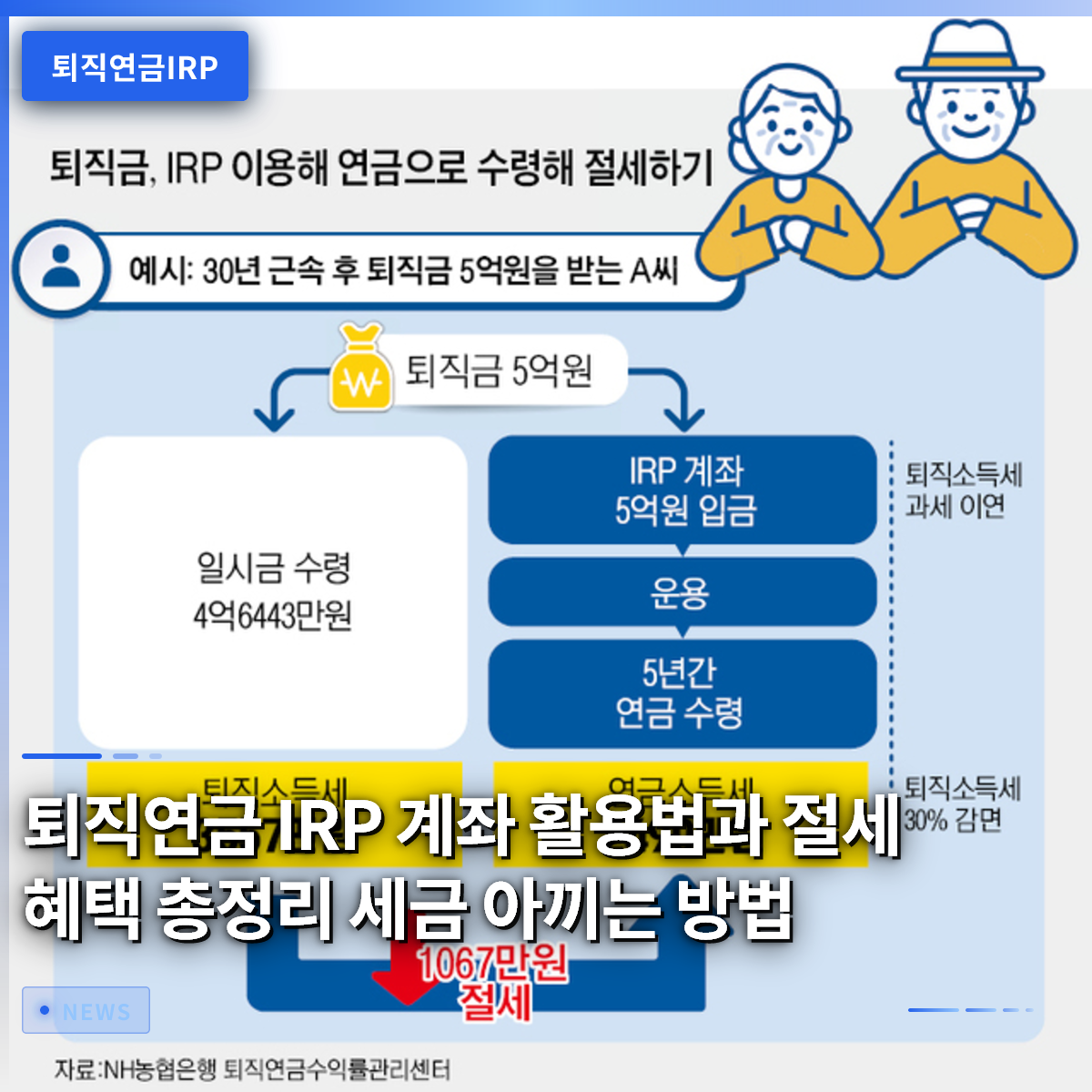
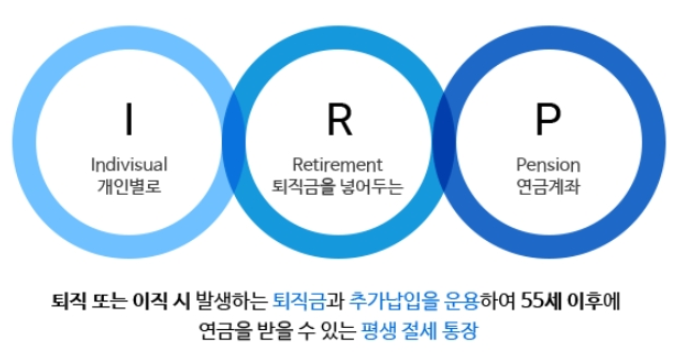
If you receive your severance pay directly into a regular checking account, you could face a massive tax burden. Therefore, it is essential to receive it through an Individual Retirement Pension (IRP) account. This system is crucial for retaining the full value of your hard-earned severance pay when changing jobs or retiring, as it offers tax deferral benefits. Have you ever been shocked to hear that a colleague paid a significant amount in taxes after receiving their severance? In reality, the most prudent way to defer retirement income tax until the time of pension receipt, rather than paying it immediately, is to utilize this account. In this article, we will explore various tips for safely securing your severance pay and maximizing tax deductions. If you fully understand and utilize this system, the amount you receive as a refund during your year-end tax settlement will be noticeably different.
=
How to Use Your IRP Account for Retirement Pensions: A Complete Guide to Tax Benefits and Saving Strategies
1. Why You Should Receive Your Severance Pay in an IRP Account Instead of a Regular Checking Account

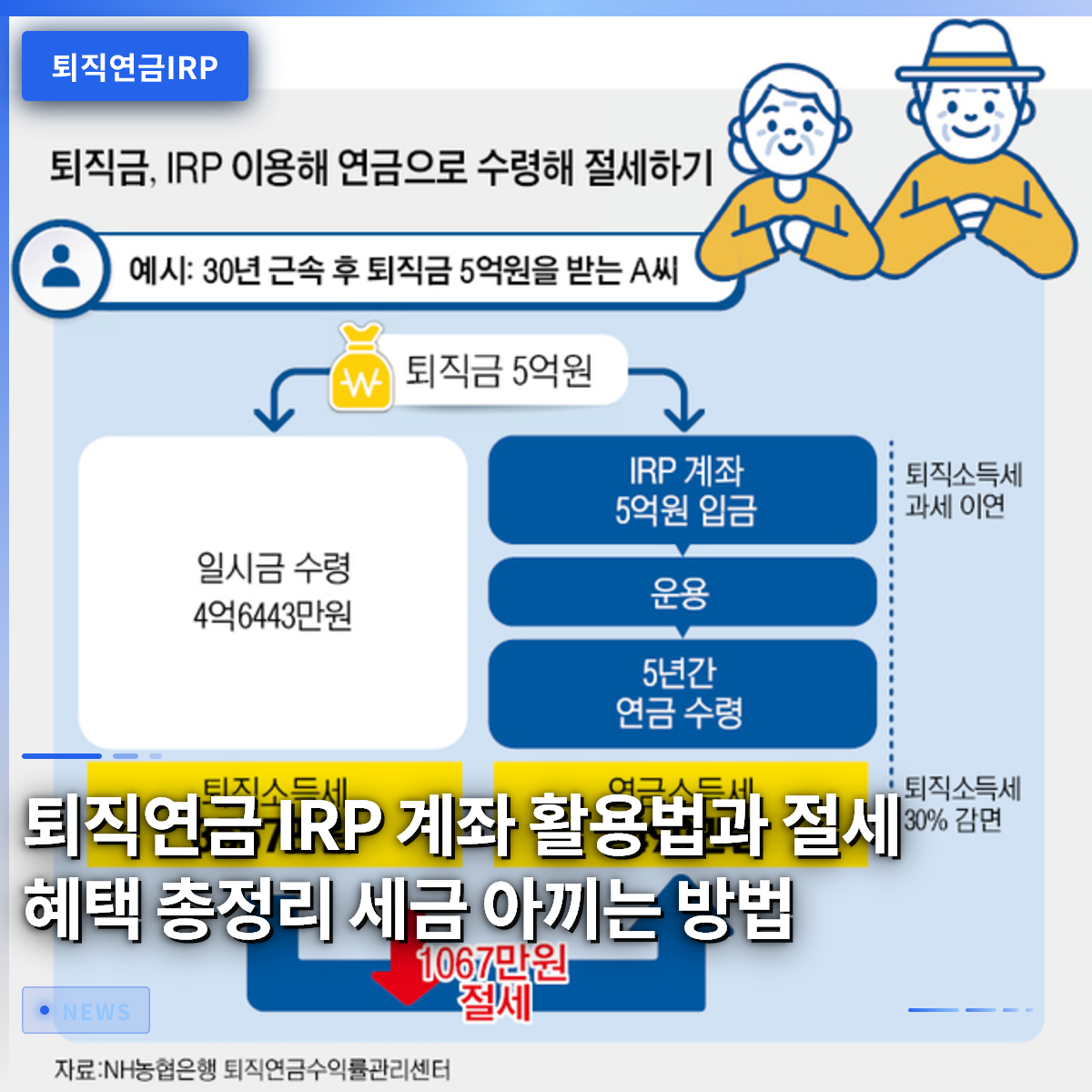
When you leave a company or change jobs, your severance pay is, by principle, paid into the Individual Retirement Pension (IRP) account you have designated. If the company mistakenly deposits it into a regular checking account, or if you voluntarily terminate the account to cash it out, you must pay retirement income tax immediately. Retirement income tax is applied to a valuable asset earned for long-term service; if a high tax rate is applied, the lump sum amount significantly decreases. On the other hand, transferring your severance pay to this account allows you to enjoy the benefit of deferring taxation until you receive it as a pension later. Since taxes are applied later, the principal remains in the account, generating more interest and returns through the effect of compound interest. Last year, many employees reduced their tax burden through this system, but many still cannot resist the temptation to terminate their accounts and withdraw funds midway. For instance, Mr. Kim, a former colleague, withdrew his entire severance pay immediately to buy a car, only to deeply regret it during his comprehensive income tax filing. In contrast, Mr. Park kept his severance pay in this account, managed it stably until retirement, and saved on taxes. Never forget that such a small difference in choice can completely change the size of your retirement funds years later. The reason bank and securities company staff unanimously recommend transferring to this account is precisely due to this substantial tax-saving effect. Therefore, if you are planning to retire, you should contact your company’s HR department in advance to ensure your account number is accurately registered.
Using an IRP account for severance pay allows you to defer taxes rather than paying them immediately, which is beneficial for asset growth.
2. The Hidden Gem of Year-End Tax Settlement: Maximizing Tax Deduction Limits and Benefits
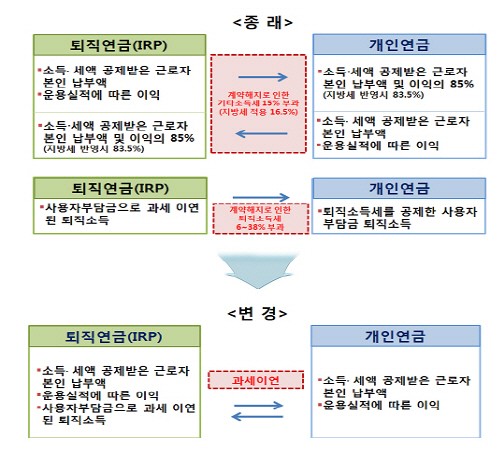
For employees, the most anticipated moment during year-end tax settlement is the refund period, leading them to seek various tax-saving products. Combining pension savings products with an IRP account allows you to enjoy tax deduction benefits up to the maximum limit, making it an essential tool for employees. Contributions made solely to this account are eligible for tax deductions up to a certain limit, and the benefits increase further when combined with pension savings. Employees who consistently max out their annual contribution limits receive tax deduction refunds ranging from 13% to a maximum of 16.5%. Employees with annual incomes below a certain threshold qualify for higher deduction rates, making it highly advantageous to make consistent monthly contributions. If you know someone who complained about a “tax bomb” during year-end settlement, there is a high probability they did not properly utilize this system. Even just saving a small amount from fixed monthly expenses to accumulate in this account can result in a year-end refund that far exceeds the cost of employee social gatherings. If you start opening this account and making small, consistent contributions from the early stages of your career, you can hold a substantial asset by the time you retire. You can frequently check your annual contribution amount and estimated tax deduction refund through financial company apps, so you should actively utilize this feature. Open your year-end tax settlement records now and calculate how much more you need to contribute during the remaining period of the year to receive the maximum benefit.
Contributions to pension accounts are the most reliable way to receive tax refunds at a high deduction rate during year-end tax settlement.
3. Smart Financial Life: Saving Fees by Switching to Non-Face-to-Face Accounts
While it is convenient to visit an offline branch to open an account, the fees deducted annually can become a significant burden. Recently, many commercial banks and securities firms have activated non-face-to-face channels, showing a trend of drastically reducing fees. In fact, converting an existing account to a non-face-to-face exclusive product via a mobile app can significantly reduce management fees. For example, comparing the offline fee rate with the non-face-to-face fee rate when the accumulated amount is below a certain level reveals a huge difference over the long term. Fees deducted slightly each year over a period of more than ten years are the main culprit eroding the return on retirement funds, so they must be carefully checked. Mr. Lee, an employee, happened to stop by a bank and realized he was paying unnecessary fees every month, so he immediately applied for a non-face-to-face conversion. With just a few taps on a smartphone screen, you can switch to lower fees while keeping your existing assets and transaction history intact. If you keep postponing the complex procedures due to a lack of financial knowledge, you will ultimately result in precious money leaking out of your wallet. Ask a bank officer directly or refer to detailed guides in online communities to carefully examine the conditions of your current account. Saving on fees is equivalent to securing guaranteed returns, so it is best to open the app today and check your status.
Switching to a non-face-to-face account significantly saves management fees, thereby increasing long-term returns.
4. Dealing with the 30% Safe Asset Regulation Using Bond-Mixed Products
If you try to invest your entire pension account balance in equity assets or high-volatility products, you may encounter a frustrating situation where your orders are blocked. This is because regulations mandate that a certain percentage of the total accumulated funds must be allocated to safe assets. For investors who want to aggressively grow their assets when the stock market is hot, this regulation can feel like a frustrating constraint. However, as a system dealing with retirement funds, it is a necessary safety device to prevent principal loss and maintain asset stability. To wisely overcome this regulation, many investors are actively utilizing alternatives such as bond-mixed products or target-date funds. By choosing a bond-mixed product with an appropriate allocation of stocks and safe assets, you can meet the regulation while still enjoying the benefits of stock market growth. For example, including a mixed product with an appropriate stock ratio in your long-term portfolio can naturally meet the safe asset ratio requirement. For young professionals just starting their asset management journey, these complex ratio calculations may seem difficult, but they are easy to understand with a little study. Instead of forcing an all-in strategy on high-risk assets, constructing a balanced portfolio will make your post-retirement life more peaceful. If a warning window about insufficient safe assets appears when trading on a securities company app, don’t panic; just add a mixed product to your cart.
Utilizing bond-mixed products to meet safe asset holding regulations allows you to achieve both stability and profitability.
5. The Trap of the 60% Mid-Termination Rate: Why You Must Keep It Until the End
Unfortunately, many employees terminate these accounts, opened to prepare for retirement, midway, thereby squandering a precious opportunity. Statistics from recent years show that a large number of people have broken their accounts citing the need for a lump sum, recording high termination rates. If you terminate the account to cover immediate urgent expenses like a deposit or living costs, you must return all the tax deduction benefits you have received so far. Furthermore, a heavy tax is imposed under the name of “other income tax,” so the actual amount you receive is much less than expected. This can be a foolish choice, as you are voluntarily giving up the most powerful weapon that will provide a stable cash flow in your old age. This is why you must do your best to dissuade friends who want to terminate their pension accounts due to urgent cash needs. If the situation is truly unavoidable, it is wiser to look into loan systems available within the account or find other legal methods rather than terminating it. Always keep in mind that regular pension income in old age is the most important factor determining the quality of life after retirement. You need to prepare firmly from now on to ensure there is no income gap in your old age, which should be a time to be rewarded for your hard work in youth. The moment you break the account because you are short on a few coins, your future years may become much more difficult.
Mid-termination requires returning previous tax benefits and incurs heavy taxes, so it is crucial to maintain the account until the end.
6. Long-Term Asset Management Strategies for a Successful Retirement
If you view the retirement pension system lightly as merely an administrative procedure when leaving a job, you may suffer significant consequences later. The prosperity of your old age is completely determined by how you manage and operate your assets over the long period of decades until retirement. You must develop the habit of setting a consistent monthly contribution amount and diversifying investments across various assets such as stocks, bonds, and government bonds. Recently, the range of choices has expanded significantly as new products like individual investment government bonds have become available for purchase within these accounts. As retirement approaches, reduce the proportion of high-volatility assets and adjust your portfolio to products that can generate a safe cash flow. Even now, many wise employees are steadily accumulating a portion of their salary in pension accounts for their future. While reducing immediate consumption may feel somewhat painful, imagining your post-retirement life makes it a worthwhile investment. You can perfectly supplement the insufficient retirement living expenses that the National Pension alone cannot cover through this system, achieving an enviable retirement. How about using this article as an opportunity to check the status of your pension account and reorganize your fees and product composition? Thorough preparation and consistent attention are the only way to protect your assets and enjoy a happy life in the coming era of super-aging.
You must practice diversification and consistent management from a long-term perspective to complete successful retirement funds.
Frequently Asked Questions
=