Seoul home prices have continued their upward trend for 84 consecutive weeks, bringing them on the verge of surpassing the all-time record of 85 weeks set during the Moon Jae-in administration. Opinions among experts are sharply divided on how far this current rally will go. Some believe that, driven by the housing shortage and genuine demand, prices could rise for up to 150 weeks, while others diagnose that the market will turn around near the 100-week mark, citing government measures and market indicators. In this article, we will examine the specific situation of the current Seoul housing market and the diverging forecasts of two experts in detail. Let’s discuss what criteria homebuyers and sellers should use to view the market. Readers will likely find it easier to understand if they recall the housing shortage or the atmosphere of listings in their own neighborhoods.
=
Seoul Home Prices Rise for 84th Consecutive Week: Will They Break 150 Weeks or Turn Around Near 100?
1. Seoul Home Prices Rise for 84th Consecutive Week, All-Time Record in Sight
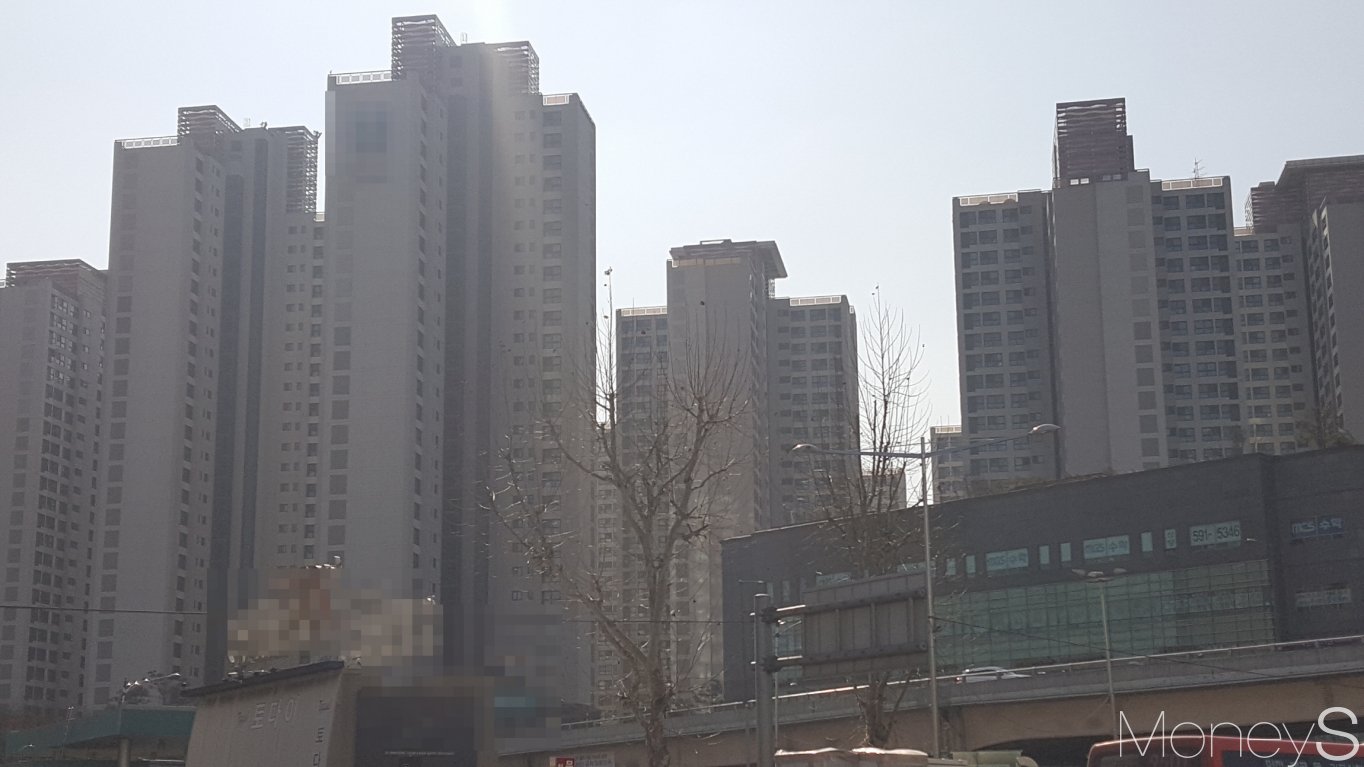
According to the Korea Real Estate Board, Seoul home prices are showing a momentum of rising without a single break for 84 consecutive weeks. If this trend continues, it will easily surpass the all-time record of 85 weeks set during the Moon Jae-in administration. Citizens who follow the news weekly are strongly voicing their anxiety that they may not be able to buy a home at all. Even when visiting nearby real estate offices, the flow of people looking for properties is constant, yet the number of available homes is extremely limited. Despite various government regulations and tax reform proposals, the market temperature remains stubbornly high. Such a prolonged upward trend is less about speculative demand and more closely tied to the movements of people seeking housing stability. Because the jeonse (deposit lease) market is so unstable, a large number of actual residents have entered the market, deciding to buy a home this time. Unlike the stock market, the real estate market has a unique structure where even just one or two transactions can set new price records. Due to this characteristic, once an upward phase begins, it tends to last longer by inertia rather than stopping.
Seoul home prices have risen for 84 consecutive weeks, bringing them on the verge of breaking the all-time record.
2. Director Kim In-man’s Diagnosis: Solid Genuine Demand Could Push Prices to 150 Weeks
Kim In-man, Director of the Kim In-man Real Estate Economic Research Institute, analyzed that the current rise in home prices exhibits a completely different pattern from the past. He explained that the current market is not a gamble by speculators but a phenomenon caused by genuine demanders, weary of the jeonse and monthly rent crisis, being pushed into northern Seoul or the metropolitan area. He emphasized that, given the characteristic of the real estate market where new record prices can emerge from just a few transactions, the upward momentum is not easily broken. Therefore, he predicted that the upward trend could last not only for 100 weeks but potentially extend to 120 weeks and even 150 weeks. In fact, as jeonse prices in central Seoul have risen to unaffordable levels, the foot traffic of common people being pushed to surrounding areas continues. In this process, the steady inflow of genuine demanders rushing to secure a home has formed a very solid price defense line. Director Kim also advised that the recent increase in listings in the Gangnam area should not be interpreted as a signal of price drops. It is not that owners are throwing their properties out of fear of falling prices, but rather a rational asset management choice in response to tax reforms.
Thanks to solid buying power centered on genuine demand, prices could continue to rise for up to 150 weeks.
3. Professor Han Moon-do’s Diagnosis: A Turn Around 100 Weeks Amid Triple Decline
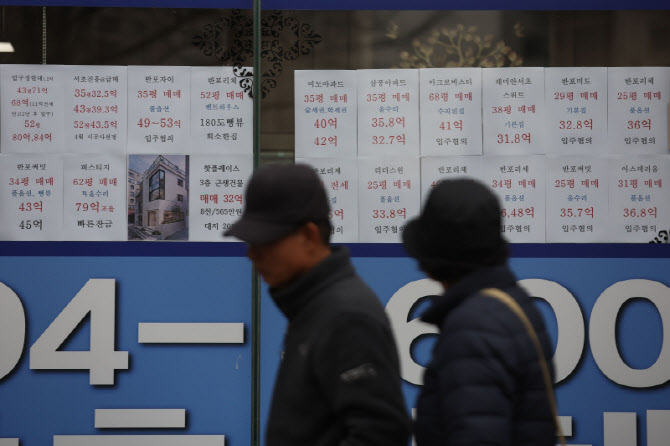
On the other hand, Han Moon-do, a part-time professor in the Department of Physical Investment Analysis at Myongji University, offered a diametrically opposite diagnosis, stating that the market is already sending dangerous peak signals. He pointed out that the so-called “triple decline” phenomenon, where transaction volumes for sales, jeonse, and monthly rent are decreasing simultaneously, has continued for three consecutive months. He argues that this phenomenon signifies an extreme drop in market trading vitality and should be interpreted as a precursor to price adjustment. He analyzes that while the jeonse shortage may hold out until the first half of next year, the market will inevitably turn around around the time the government releases additional measures. Professor Han criticized existing statistics like the Housing Price Expectation Index, noting that they lack reliability by always answering “up” during rising periods and “down” during falling periods. Instead, he emphasized the need to pay attention to indicators like the KB Buyer Advantage Index, which has recently sent clear signals of turning downward. He explained that the market has reached a critical point on its own, entering a natural adjustment phase even before the government’s strong policies are implemented. Therefore, he predicted that while the market might barely hold on until around 100 weeks, the probability of it turning to a downward stabilization trend thereafter is very high.
Based on the simultaneous decrease in transaction volumes and slowing indicators, a downward turn is expected around 100 weeks.
4. The True Meaning of Increased Listings in Gangnam and Loan Regulations
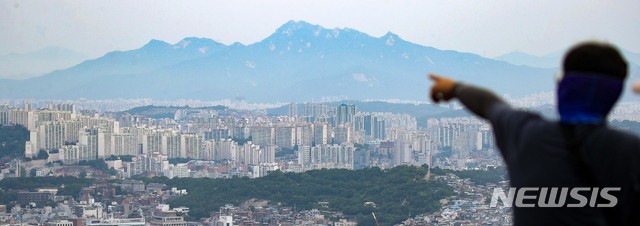
Recently, as listings have gradually increased in the Gangnam area of Seoul, various interpretations have flooded the market. Some interpret this as home prices finally reaching a peak, with owners dumping their properties, but voices from the field are somewhat different. Experts unanimously agree that this is merely a process of multi-home owners organizing their assets in line with tax reform proposals, not a precursor to a general market decline. In fact, there are far more cases where people who want to buy a home abandon contracts because they cannot secure funds due to strengthened loan regulations. The reason buyers’ wallets are closed is not because they expect prices to fall, but because banks are not lending money. This blockage of funding has the effect of tying up transactions, but at the same time, it is evidence that the market’s fundamental health is sound. As speculative transactions driven by excessive loans decrease, the current market adjustment can actually be seen as a positive signal. Ultimately, the current increase in listings should be viewed not as a simple precursor to a crash, but as a natural pause within the complex environment of taxes and loans.
The increase in listings in Gangnam is a rational choice due to tax reforms and loan regulations, not speculative selling.
5. Spreading Heat to the Outer Metropolitan Area and Future Expansion Possibilities
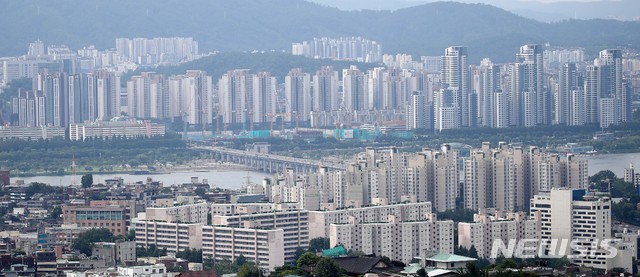
As fatigue from the rise in central Seoul accumulates, there are suggestions that this heat could spread to the outer metropolitan areas like Gyeonggi Province and Incheon. The prevailing analysis is that it will not reach the FOMO (Fear Of Missing Out) phenomenon where the entire world is engulfed in a housing price surge, as seen during the Moon Jae-in administration. While the steep rise rate in Seoul itself may slow down, the upward trend could shift to the southern or northern parts of Gyeonggi Province after the Chuseok holiday. Experts commonly warn that pressure for price increases is likely to expand sequentially to the Incheon area next year. The balloon effect, where genuine demanders who cannot find homes in Seoul are pushed to the outskirts, is a law of the real estate market that has been verified many times. Major metropolitan cities with improved transportation networks are considered alternative residential areas to Seoul and maintain steady buying power. Therefore, rather than feeling safe by looking only at central Seoul, it is wise to carefully examine the supply and demand situation in the area where one resides. If the government’s follow-up measures coincide with moving season demand after the holidays, a surge could occur in unexpected areas.
The heat of Seoul’s price rise is highly likely to spread to the outer metropolitan areas, such as Gyeonggi Province after Chuseok and Incheon next year.
6. Strategies for Homeless Individuals and Actual Residents in a Confusing Market
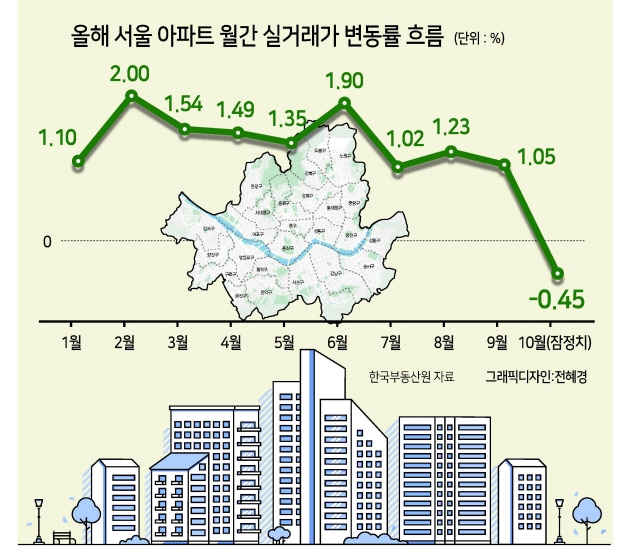
Since experts’ forecasts are sharply divided between a 150-week extension and a decline around 100 weeks, the confusion among genuine demanders is deepening. In times like these, it is essential to prioritize one’s own asset situation and housing stability over being swayed by others’ words. Rather than blindly waiting based on the belief that home prices will crash, one must coldly check their own income and loan repayment capacity. If there are no issues with the funding plan, rushing to secure a home for genuine residential purposes to escape the pain of the jeonse shortage is also a viable option. Conversely, owners looking to sell their homes should also carefully observe the market’s transaction cliff and loan regulation situation to formulate a flexible pricing strategy. Since the real estate market is always sensitive to unexpected variables and government policy changes, it is important to maintain an attitude of not being overly elated or distressed by short-term fluctuations. Now is a time when flexibility in comprehensively interpreting various indicators, rather than blindly believing in one extreme forecast, is more essential than ever. Please calmly watch the market and make the most rational choice to protect your family’s home.
Amid diverging forecasts, both homeless individuals and homeowners must respond flexibly according to their own financial situations.
Frequently Asked Questions
=