The one-point social dialogue among labor, management, and the government regarding labor exceptions in the Mega Special Zone Special Act has entered a full-fledged phase, with an agreement to hold director-level working-level consultation meetings once or twice a week. Following the completion of vice-minister-level preliminary consultations on the 18th, labor and management coordinated specific operational schedules in their first meeting, officially kicking off the negotiations. Notably, this dialogue is drawing attention as a significant occasion where both major labor unions, including the Federation of Korean Trade Unions (FKTU), have expressed their intent to participate, marking the first time both major unions have joined forces since the post-pandemic recovery period. As the government and the ruling party aim to enact the Mega Special Zone Special Act within this year, attention is focused on how on-the-ground voices will be reflected. Given that this could have considerable implications for the work environments of local shops we frequently visit or jobs near our workplaces, it is essential to closely examine the progress of these discussions. We will go through the upcoming working-level meeting schedules and key issues one by one.
=
Social Dialogue on Labor Exceptions in Mega Special Zones Gains Momentum with Weekly Working-Level Consultations
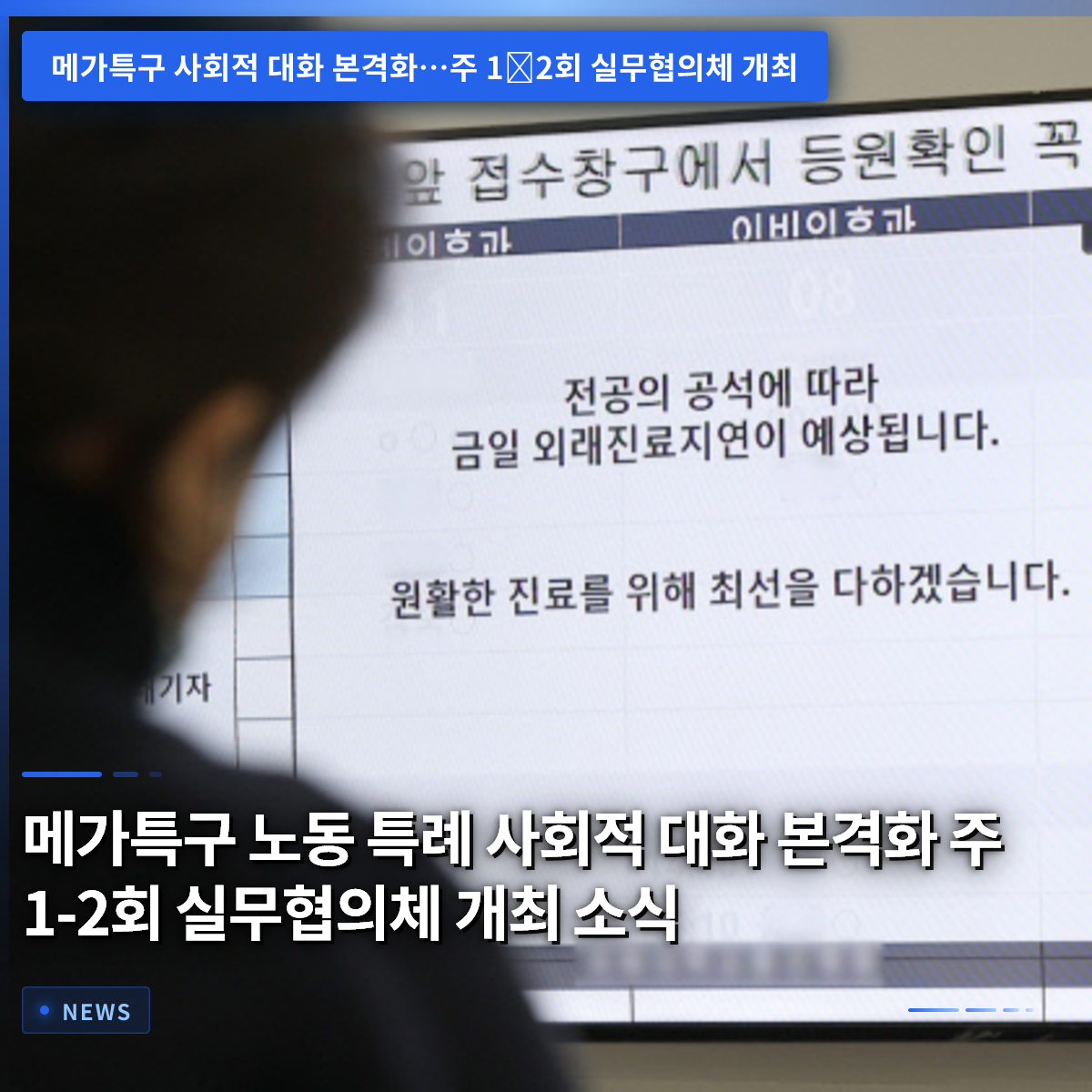
1. Background of the Launch of the Labor-Management-Government Working-Level Consultation
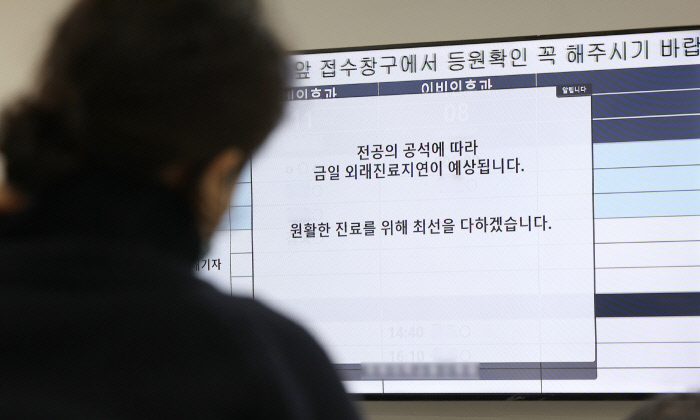
Discussions on labor exceptions in the Mega Special Zone gained momentum when Labor Minister Kim Young-hoon proposed significantly relaxing regulations in specific regions. To enhance national competitiveness and revitalize regional economies, the government has put forward bold measures such as applying exceptions to the 52-hour workweek for research positions and expanding the scope of permitted dispatched work. However, the labor sector has expressed significant concerns that this could lead to deteriorating working conditions, anticipating a tense tug-of-war. Fortunately, labor and management have agreed to sit down at the negotiating table, laying the groundwork for constructive discussions rather than exhausting confrontations. Recalling past instances where major policies were pushed through unilaterally, sparking backlash from the field, this attempt at communication is highly encouraging. Both employees and business owners are watching closely to see what common ground the two sides will find in the upcoming meetings.
Labor, management, and the government have come together to reconcile the need for labor regulation relaxation with labor sector concerns.
2. Participating Parties and Ensuring Representativeness
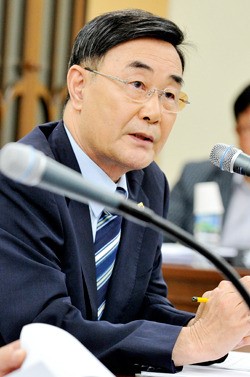
What makes this social dialogue special is that both the Federation of Korean Trade Unions (FKTU) and the Federation of Korean Trade Unions (FKTU) are seated at the table. On the labor side, the Policy Director of the FKTU and the Planning Director of the FKTU are directly participating to represent on-the-ground voices. The business sector is also represented by key directors from the Federation of Korean Industries (FKI) and the Korea Chamber of Commerce and Industry (KCCI), who are conveying the practical difficulties faced by companies without omission. On the government side, not only the Ministry of Employment and Labor but also directors and division heads from the Office of the Prime Minister, the Ministry of Economy and Finance, and the Ministry of Trade, Industry and Energy are participating to coordinate inter-ministerial opinions. Additionally, the Director of Operations of the Economic and Social Labor Committee has joined, enhancing both the weight and feasibility of the discussions. With such diverse stakeholders gathered, there is high anticipation for a balanced conclusion that does not favor one side over the other.
Both major labor unions, the business sector, and relevant government ministries are participating to exchange broad opinions.
3. Future Schedule and Meeting Format
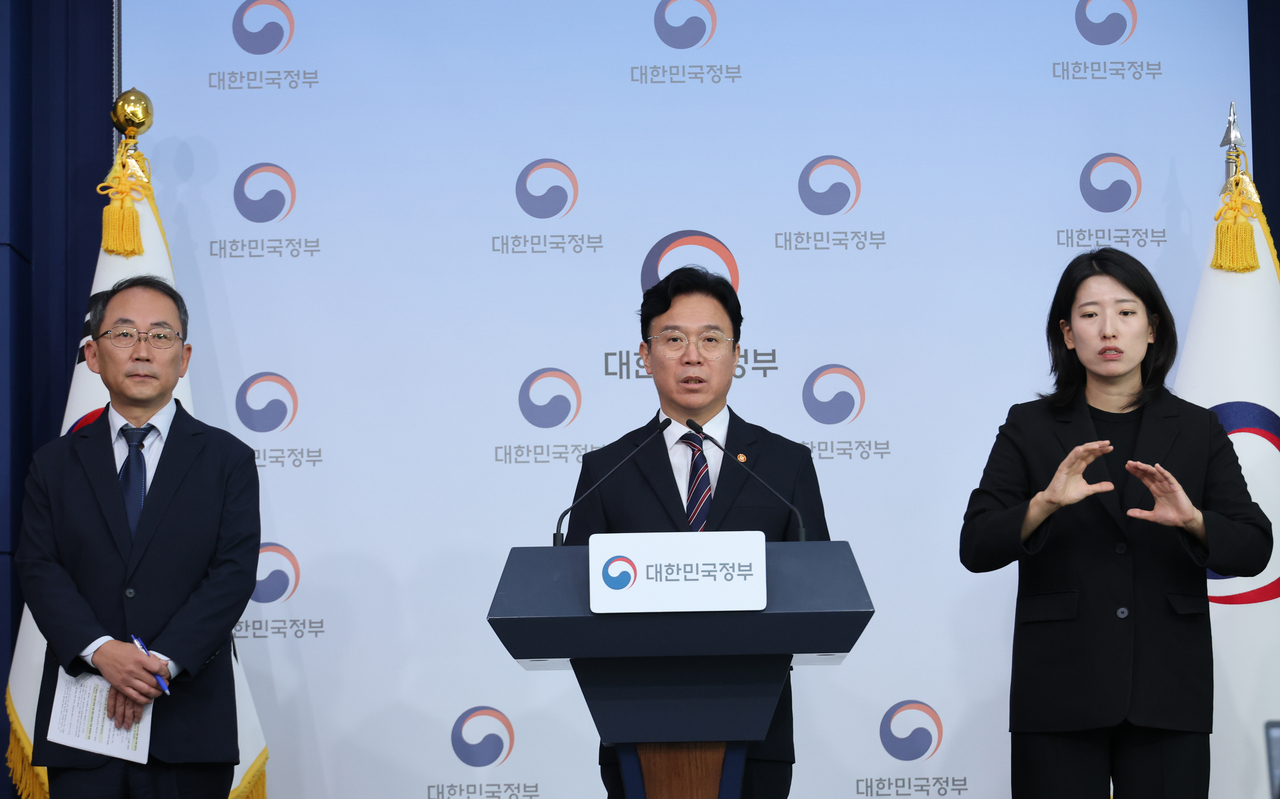
Labor, management, and the government have agreed to hold director-level working-level consultation meetings once or twice a week to advance discussions with a sense of urgency. The structure involves coordinating issues at the working-level consultation and then passing them to the vice-minister-level operational consultation to make more specific and substantive decisions. The second working-level consultation is scheduled to be held at 6:30 PM on the 2nd of next month, and preparations for the next agenda items are already underway. The increased frequency of meetings strongly reflects the government’s determination not to delay the enactment of the bill within the year. Amid the busy pace of the working-level staff, the pieces of a major change that will reshape the future of South Korea’s labor market are coming together. This is why employees, checking news on their smartphones on their way home from work, are watching with a mix of worry and expectation about how this will affect their working conditions.
A rapid pace is being maintained by linking frequent working-level meetings (1-2 times a week) with the vice-minister-level operational consultation.
4. Key Issues and Labor Sector Stance
The hottest topics in these discussions are undoubtedly the application of exceptions to the 52-hour workweek for research workers and the expansion of the scope of permitted dispatched work. Companies argue that flexible work systems are absolutely necessary to accelerate R&D and survive in global competition. On the other hand, the labor sector firmly opposes this, warning that such regulatory relaxation could legitimize long working hours and seriously infringe upon workers’ right to health. In fact, friends working in IT companies or research institutes with frequent overtime often share that while they want to work intensively when needed, they cannot ignore their health concerns. Some in the labor sector maintain a sharp gaze, questioning whether this dialogue might end up as a mere formalistic effort to build legitimacy for the government’s bill passage. Therefore, whether reliable safety measures to protect worker safety and rights are established during the working-level consultations will be the key to determining the success of the negotiations.
Positions are sharply divided between the labor and business sectors regarding 52-hour workweek exceptions and the expansion of dispatched work.
5. Government’s Goal of Enactment Within the Year

The government and the ruling party are firmly determined to pass the Mega Special Zone Special Act in the National Assembly within this year, based on this social dialogue. If the bill is enacted, it is predicted that regulations in specific regions will be significantly relaxed, attracting large-scale investments and creating new jobs. However, if the focus is solely on the speed of bill processing without securing sufficient agreement between labor and management, it could backfire, leading to intense social conflict. It is crucial not to repeat the precedent of past large-scale economic policies being criticized as administrative convenience-driven. The government must demonstrate careful coordination skills to ensure that this one-point dialogue becomes a genuine venue for compromise rather than a simple notification. Both the public and businesses are waiting for a wise conclusion that allows them to catch both the benefits of the law and stability.
The government is pushing for the enactment of the bill within the year and must strike a balance between speed and trust.
6. Outlook and Reader Action
The discussion on labor exceptions in the Mega Special Zone will undoubtedly be a critical turning point in changing the fabric of South Korea’s economy. The labor environment in our society will take a completely different path depending on what compromise the working-level consultation, held 1-2 times a week, will reach. Readers are encouraged to continue paying attention to news about the working-level consultations and to anticipate the impact on their workplaces in advance. In the rapidly changing labor market, grasping accurate information is the wisest way to protect one’s own rights. Let us keep a close eye on the results of the upcoming second meeting and additional statements from labor, management, and the government, and together watch the changes in South Korea. Finding opportunities and preparing for them amidst the wave of change is the most essential virtue for employees and business owners living in this era.
We must closely monitor the progress of the working-level consultations and proactively prepare for the changing labor environment.
Frequently Asked Questions
=