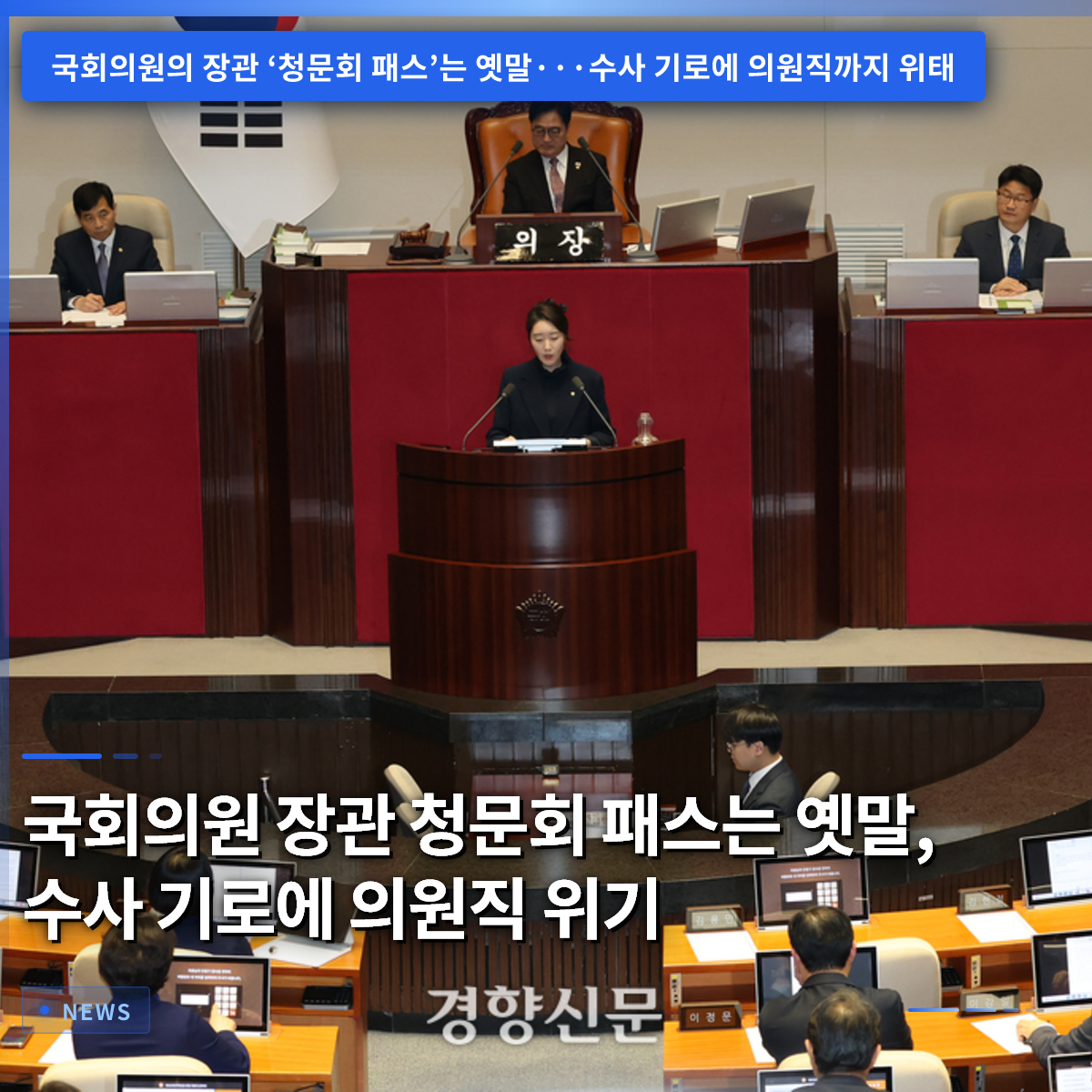
The unwritten rule in Yeouido that members of the National Assembly would smoothly pass confirmation hearings has now become a thing of the past. In fact, of the five cabinet nominees who failed to secure their posts since the inauguration of the Lee Jae-myung administration, a staggering four were former or current members of the National Assembly. The reason for this string of failures among ministerial nominees with political backgrounds lies in the significant gap between public expectations and the reality of the political landscape. In the past, there was a prevailing expectation that the bar for confirmation hearings would be lower for those nominated from the National Assembly, on the grounds that they had already undergone scrutiny by voters during general elections. However, recently, a series of corruption allegations and whistleblowing by legislative assistants have shown that even the status of a lawmaker no longer serves as a safe haven. In this article, we will examine in detail why ministerial nominees who are lawmakers are falling one after another and what this trend signifies for the political sphere. We will unfold the story based on vivid examples that readers may have nodded along to while watching political news.
=
The Era of Easy Confirmation Hearings for Minister Nominees Who Are Lawmakers Is Over: Political Careers on the Brink Amid Investigations
1. Rep. Kim Seung-won’s Voluntary Resignation and Investigation Crisis
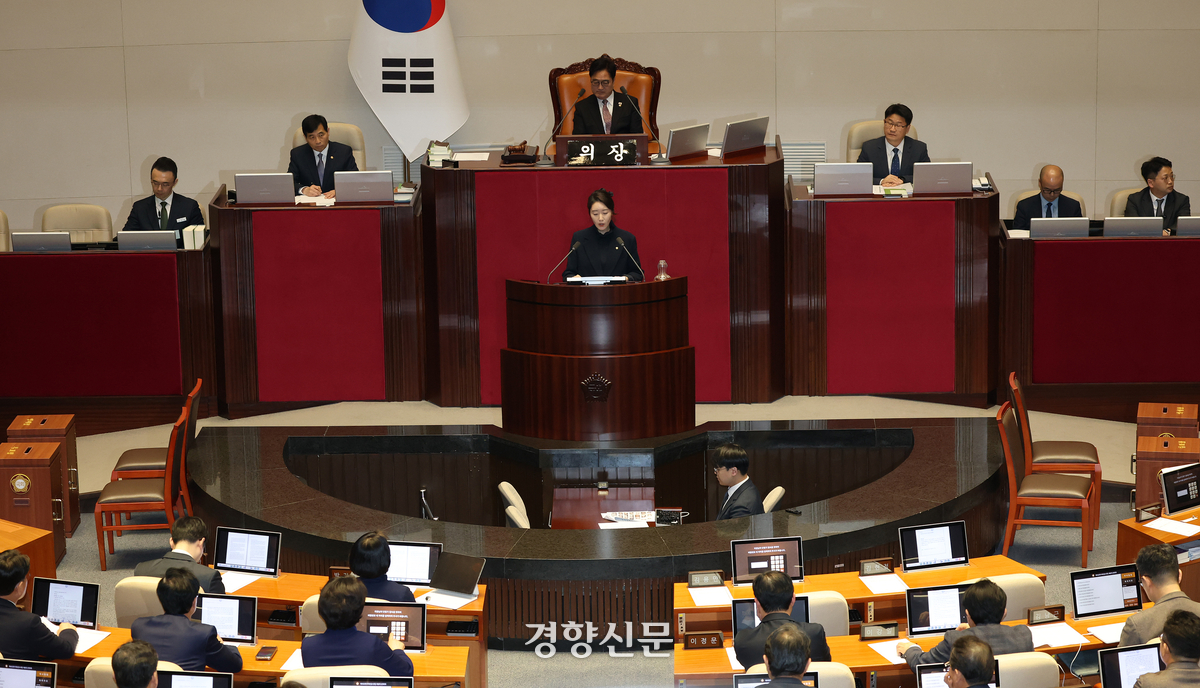
Rep. Kim Seung-won of the Democratic Party of Korea, who was nominated as the Minister of Justice, ultimately withdrew from the candidacy after various controversies. Rep. Kim stepped down from the ministerial candidacy in mid-last month as suspicions regarding a request for the approval of a clinical trial for a new coronavirus drug spread. Although the prosecution had previously decided not to prosecute the request allegations, the issue resurfaced during the confirmation hearing phase, leading to a situation where the police are re-investigating the case. Furthermore, the controversy intensified when a former legislative assistant submitted a petition containing allegations of accounting fraud, sexual harassment, and verbal abuse directed at assistants. As a result, he finds himself in a difficult position where it is hard to escape investigation even after his resignation, and the possibility of additional measures at the party level has also been raised. Even senior lawmakers are raising their voices in criticism, stating that a thorough investigation is necessary, suggesting that the political blow will be significant.
Rep. Kim’s failure is a representative case that clearly shows how the lack of thorough pre-verification can lead to major trouble. Issues that might have been glossed over in the past are now immediately brought to the surface due to the public’s sharp scrutiny and internal whistleblowing by legislative assistants.
Rep. Kim Seung-won, the former nominee for Minister of Justice, resigned voluntarily amid various allegations and whistleblowing by assistants, leaving him at a crossroads of investigation.
2. Rep. Yong Hye-in’s Controversy Over Holding Multiple Posts and Violation of the Political Funds Act
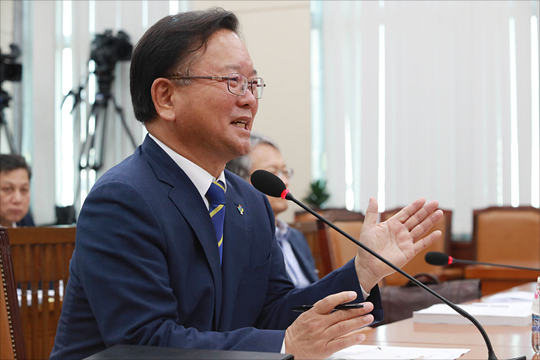
Rep. Yong Hye-in of the Basic Income Party, who was nominated as the Minister of Gender Equality and Family, also resigned without resolving the controversy over holding both her proportional representation seat and the ministerial post. Rep. Yong was engulfed in various controversies after her nomination, with particular issues raised regarding the payment of salary to a specific individual who is her husband and a party official. In this process, suspicions of illegal political fund transactions were pointed out, leading to her being reported for violating the Political Funds Act. Despite holding the title of a re-elected proportional representative, her past history related to satellite parties was once again brought to the forefront, significantly narrowing her political standing. It is widely predicted that she will find it difficult to exert the same influence in the next general election, and critical voices from both inside and outside the party are growing louder. She has found herself in a precarious situation where, in attempting to ascend to the ministerial seat, even the legitimacy of her current seat in the National Assembly is being questioned.
Actions by politicians that step outside the legal framework when changing positions are bound to return as boomerangs against themselves. Rep. Yong’s case clearly demonstrates how strict the standards of morality that the public demands of public office candidates have become.
Rep. Yong Hye-in faced a political crisis after stepping down from the ministerial candidacy due to controversies over holding multiple posts and suspicions of illegal political funds.
3. Rep. Kang Sun-woo’s Controversy Over Bullying and First-Instance Trial
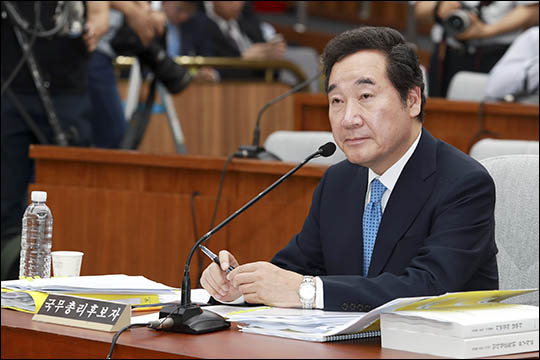
Rep. Kang Sun-woo, an independent lawmaker who was previously nominated as the Minister of Gender Equality and Family last year, also chose to voluntarily resign following a controversy over bullying her legislative assistants. Rep. Kang was indicted on charges of receiving a large sum of money in exchange for nomination in a local election and is currently awaiting the first-instance verdict. As allegations of inappropriate treatment of assistants and receipt of bribes surfaced simultaneously, public opinion deteriorated to an irreversible extent. In the political sphere, pessimistic predictions are being made that it is nearly impossible for Rep. Kang to make a political comeback. The fact that such serious criminal charges or immoral conduct were not filtered out during the verification process for ministerial nominees is pointed out as a major issue. The shameful reality hidden behind the glamorous career of a lawmaker was exposed in detail under the spotlight of the confirmation hearing.
The public no longer takes politicians’ explanations at face value and is demanding concrete evidence and strict legal accountability. Rep. Kang’s downfall serves as a reminder of how important the minimum ethical standards are that politicians in power must uphold.
Rep. Kang Sun-woo failed to secure the post due to bullying of assistants and charges of receiving money for nomination, and her political comeback is uncertain.
4. Former Rep. Lee Hye-hoon’s Fraudulent Subscription and Withdrawal of Nomination
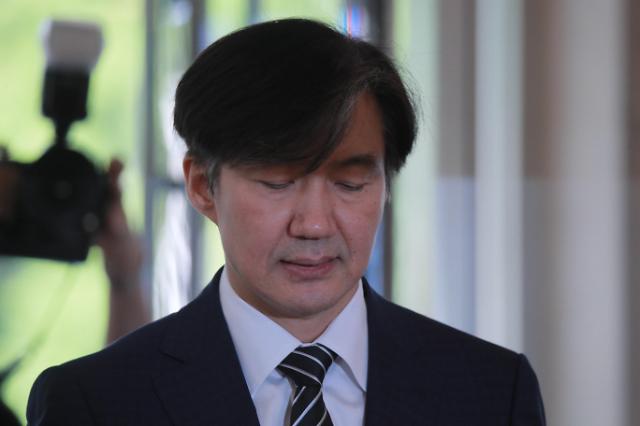
Former People Power Party Rep. Lee Hye-hoon, who was nominated last year as the inaugural Minister of the Planning and Budget Office, also faced difficulties due to suspicions of fraudulent subscription and a controversy over bullying her legislative assistants. As the controversy did not subside, the President ultimately took the strong measure of withdrawing the nomination after the confirmation hearing, stripping her of the candidacy. Investigations by judicial agencies are currently actively underway regarding the suspicions of fraudulent subscription raised during this process. This demonstrated that even a veteran politician who has served as a member of the National Assembly can be powerless and collapse in the face of suspicions of real estate-related corruption or pursuit of private interests. Criticism poured out toward the Blue House’s personnel verification line for failing to properly identify such fatal flaws at the candidate recommendation stage. As points were raised that moral verification was neglected under the guise of merit-based appointments, voices calling for institutional improvements have grown louder.
The sight of candidates being investigated before even sitting in the ministerial seat is further driving public trust in politics to rock bottom. Warnings continue that without thorough pre-verification, a second “Lee Hye-hoon incident” will inevitably repeat itself.
Former Rep. Lee Hye-hoon had her nomination withdrawn due to controversies over fraudulent subscription and bullying, and is currently under police investigation.
5. The Gap Between Expectations and Reality in Appointing Politicians as Ministers
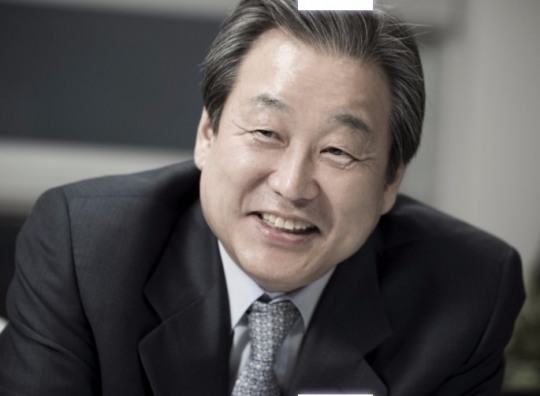
Behind the President’s appointment of politicians as ministers lies a vague expectation that members of the National Assembly have undergone a certain level of verification through general elections. Additionally, practical judgments play a role, viewing them as the optimal talent who can communicate smoothly with lawmakers from both ruling and opposition parties and exercise political capabilities. However, with the true nature of candidates being revealed through internal whistleblowing by legislative assistants and in-depth media investigations, these expectations have been completely shattered. It is analyzed that the status of a lawmaker does not make the confirmation hearing a safe haven; rather, it has become a stage for even more rigorous verification. In a political landscape where conflicts between the ruling and opposition parties are intensifying, they easily become targets of attacks from the opposing camp, and if internal reports are added, there is no way to withstand the pressure. Ultimately, voices are gaining momentum that a comprehensive reorganization of the method of employing politicians is necessary, and a major overhaul of the personnel system is unavoidable.
A senior lawmaker from the ruling party candidly confessed that verification during general elections often remains merely formal, pointing out the loopholes in the system. The advice is that only by undergoing meticulous moral verification and thoroughly collecting public opinion in advance can personnel disasters be prevented.
Contrary to the previous expectation that lawmakers are verified, they are now at the center of confirmation hearing risks.
6. Challenges and Prospects for Improving the Personnel System in the Future
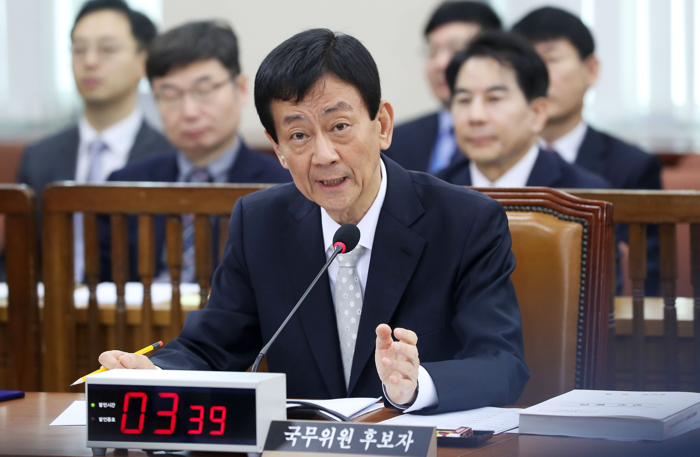
The consecutive failures of ministerial nominees who are former lawmakers serve as a mirror showing how flawed our society’s personnel verification system is. For the government to continue successful national administration in the future, it must carry out major innovations starting from the recommendation and verification stages before candidate nomination. An environment must be created where the National Assembly confirmation hearings can focus solely on verifying policy capabilities and qualifications, rather than engaging in moral disputes. To achieve this, it is essential to establish and strictly apply a transparent and objective pre-verification manual that civil society can accept. Only by completely eradicating the practice of giving preferential treatment or neglecting verification on the grounds of being a politician can the public’s disappointment be reversed. Readers should also watch the appointment process of high-ranking public officials with a sharper eye and raise their voices demanding proper politics.
The entire political sphere must not treat this incident as a mere fiasco but should use it as an opportunity to fundamentally change the system. Otherwise, the phenomenon where even a lawmaker’s seat is put in jeopardy every time there is a ministerial confirmation hearing will continue to repeat itself.
Only by establishing a transparent and thorough pre-verification system can repeated personnel disasters be prevented.
Frequently Asked Questions
=