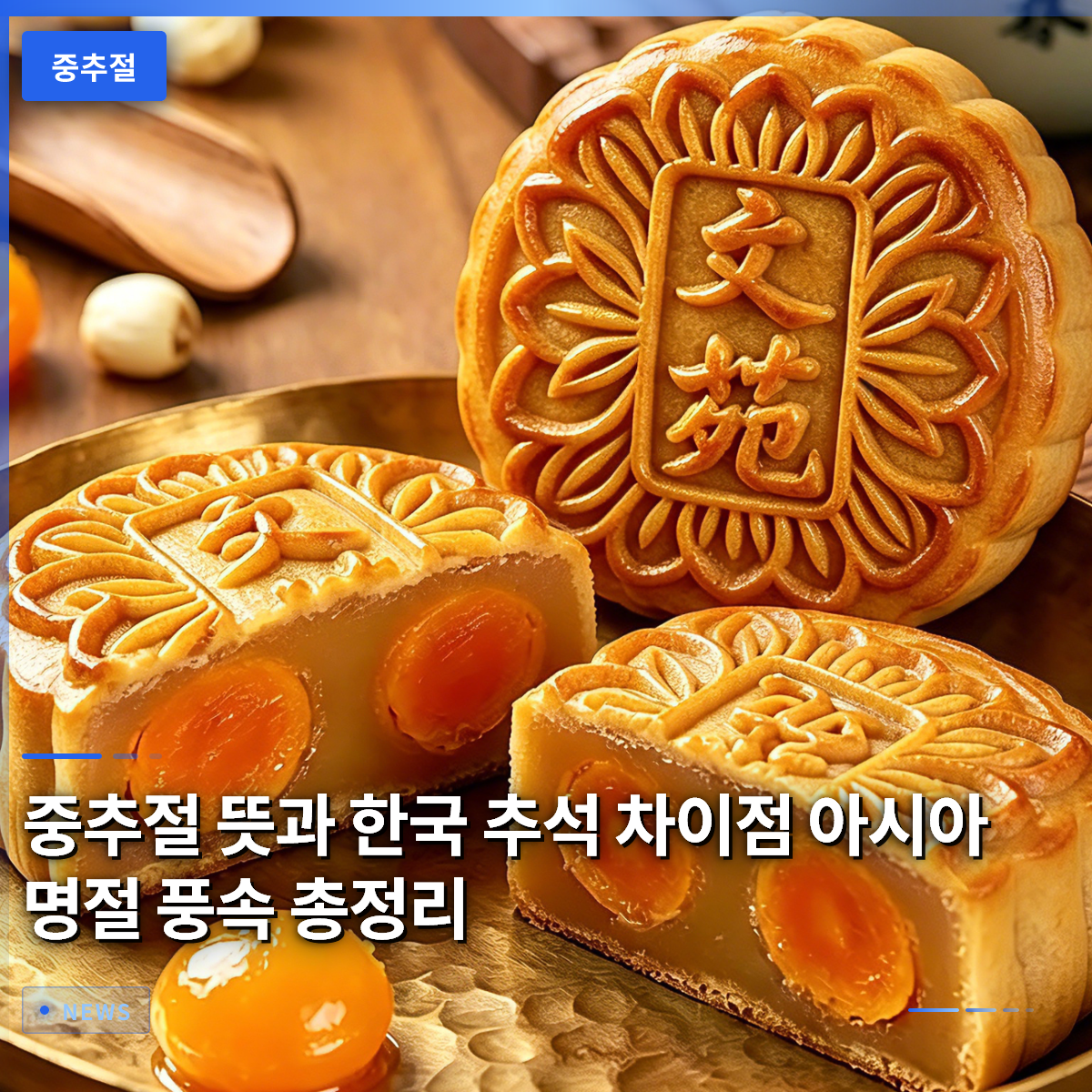
The Mid-Autumn Festival is a holiday celebrated on the 15th day of the 8th lunar month, exactly the same date as Korea’s Chuseok, but the cultural backgrounds and underlying values are completely different. Recently, some overseas netizens have claimed that Korea’s Chuseok is an imitation of their holiday, significantly increasing interest in the cultural differences between the two countries. In reality, while many Asian countries celebrate the full moon in autumn on the lunar calendar, a closer look reveals that each country has entirely different histories and customs. In this article, we will thoroughly examine the true meaning of the Mid-Autumn Festival and the unique characteristics of Korea’s Chuseok. We will clearly identify what makes these two holidays similar and where they diverge significantly, using specific examples. We hope this will be a beneficial time for readers to correctly understand the seasonal customs of neighboring countries and newly recognize the value of our unique holiday. Let us now take an interesting step into Asia’s largest autumn festival.
=
The Meaning of Mid-Autumn Festival and Differences from Korea’s Chuseok: A Complete Guide to Asian Holiday Customs
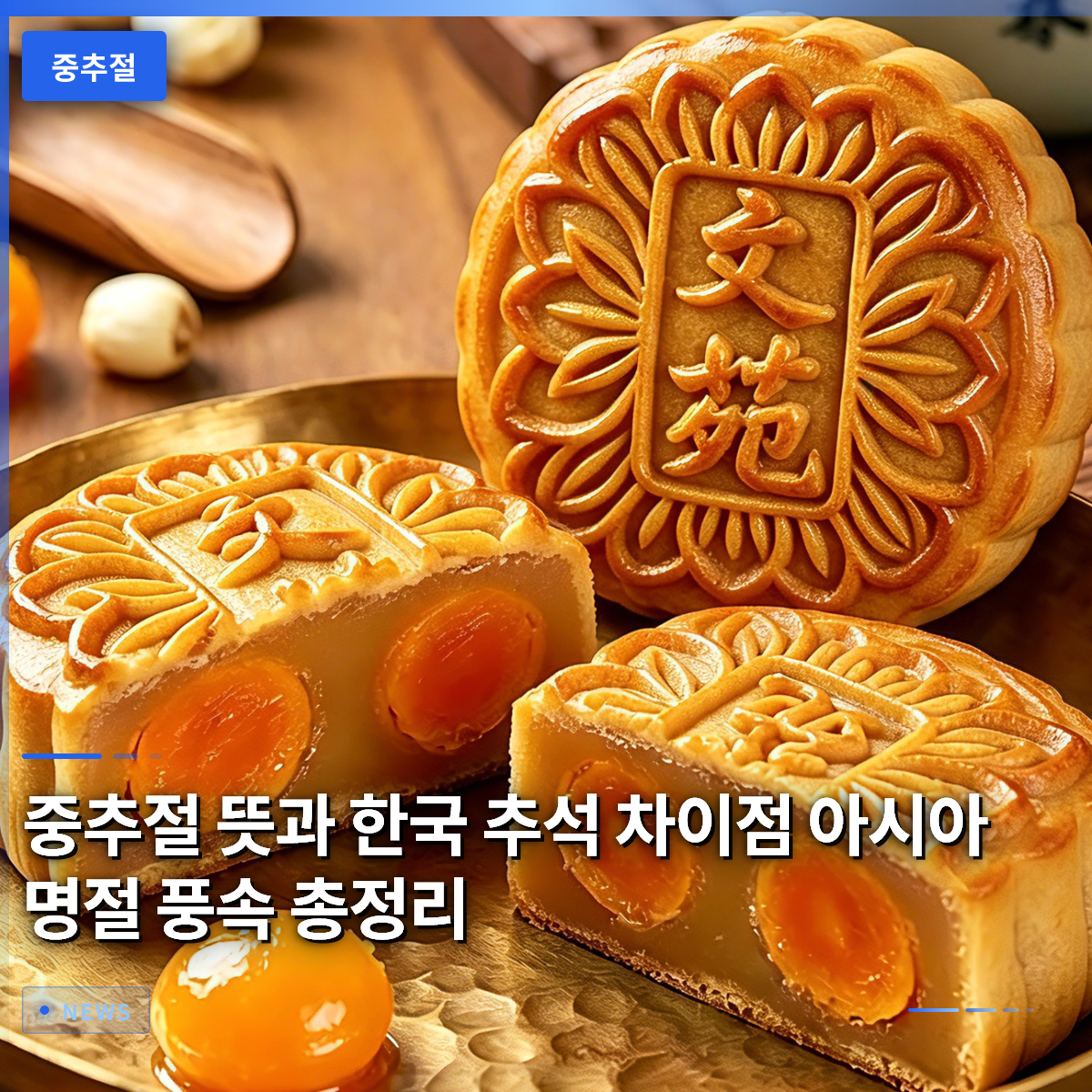
1. Basic Concepts of the Mid-Autumn Festival and the 2026 Schedule

The Mid-Autumn Festival refers to the 15th day of the 8th lunar month, carrying the meaning of “mid-autumn.” It falls between September and October on the solar calendar each year, and this year, the full holiday atmosphere begins on September 24. Because it is the time when the moon rises brightest and roundest, it has long been established as a festival praying for abundance in agrarian societies across Asia. In Korea, it is called Chuseok or Hangawi, while in China, Taiwan, and other regions, it is known as the Mid-Autumn Festival. Vietnam also enjoys an autumn festival on the same date, and the entire East Asian cultural sphere is swept up in the wave of a major holiday. In particular, this year, as weekends and holidays coincide, a large number of travelers from neighboring countries are moving around, bringing vitality to all of Asia. The custom of families gathering to gaze at the bright moon, make wishes, and share delicious food is similar in every country. However, the historical stories and specific event contents filling this time reveal distinct national characteristics. While the love for the moon is the same, the ways of commemorating it are deeply infused with the wisdom and life philosophy of ancestors. Beyond simply viewing the moon, it is a precious period for everyone to be grateful for the year’s harvest and share affection with neighbors. On this special autumn day in 2026, we can deeply feel the diversity of Asian culture through the holiday customs of various countries.
The Mid-Autumn Festival is a major Asian holiday referring to the 15th day of the 8th lunar month. It arrives at the end of September this year and is celebrated with diverse customs in various countries.
2. Core Family Reunion Culture and Mooncakes in China’s Mid-Autumn Festival
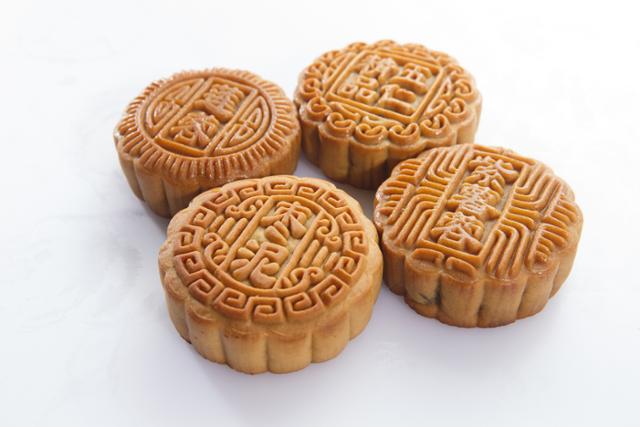
The most core focus of China’s Mid-Autumn Festival is the value of “reunion” (tuan yuan), where scattered families gather in one place. Originating from the custom of kings performing sacrifices to welcome the autumn moon during the Zhou Dynasty, the trend of returning to one’s hometown remains massive today. The traditional food that Chinese people most carefully prepare and eat during this time is the round mooncake, which symbolizes family harmony and completeness. Families share mooncakes filled with various fillings such as meat and nuts, venting their feelings as they gather like the round moon. During the holiday period, highways experience severe traffic jams, and train stations are so packed with returning travelers that there is no room to step, indicating massive movement. Compared to Korea’s Chuseok, the Mid-Autumn Festival on the continent is relatively family-centric, strongly emphasizing the cohesion of kinship communities. Rather than going out to public squares to dance and compete together, they lock their doors firmly and spend cozy time with relatives. The culture of giving mooncakes as gifts in high-end boxes to acquaintances or colleagues has been deeply rooted for a long time. Recently, younger generations enjoy the holiday in a modern way by exchanging various emoticons commemorating the Mid-Autumn Festival. Thus, China’s Mid-Autumn Festival can be seen as a massive social event that has silently continued traditional family-centric values to the present day.
China’s Mid-Autumn Festival prioritizes family reunion, characterized by sharing round mooncakes and massive homecoming movements.
3. Decisive Differences Between Korea’s Chuseok and China’s Mid-Autumn Festival

Recently, some overseas netizens have made baseless claims that Korea’s Chuseok copied China’s Mid-Autumn Festival culture, causing frustration. In response, experts both domestic and international have strongly refuted this, stating that the cultural backgrounds and historical roots of both sides are entirely different. Korea’s Chuseok originated from “Gabawi,” a spinning game from the Silla period, and was a production festival where the entire populace gathered in a square to compete. On the other hand, China’s Mid-Autumn Festival started from royal sky sacrifices and developed in a direction emphasizing indoor cohesion centered on kinship. The food eaten also differs, with Korea centering on half-moon-shaped songpyeon made by kneading, while China eats round mooncakes. Forcibly equating two holidays with completely different historical records and narratives is nothing but historical distortion. While giving thanks for the harvest based on the moon in an agrarian society is a common natural phenomenon in many Asian countries, the methods of expression are each unique. In our country, an open community culture of sharing the fruits of the year’s farming with neighbors and enjoying games forms the foundation of Chuseok. Ignoring the cultural characteristics of neighboring countries and unconditionally claiming that they stole something is an action contrary to common sense. We must not be misled by such unfair claims and should proudly protect the value of the unique Chuseok culture inherited from our ancestors.
Korea’s Chuseok is an open production festival enjoyed in a square, while China’s Mid-Autumn Festival originated from kinship-centered sky sacrifices, making their essences different.
4. Colorful Autumn Holiday Scenarios in Asian Neighboring Countries
In addition to Korea and China, many Asian countries grandly celebrate the autumn full moon on the lunar calendar in their own unique ways. In Vietnam, the holiday is celebrated on the exact same day as Korea’s Chuseok, but the festive atmosphere is centered on children rather than adults. The sight of colorful lanterns hanging in the streets and children marching while performing lion dances is so lively that it evokes memories of Children’s Day. In Taiwan, the Mid-Autumn Festival is also designated as a very important public holiday, and there is a unique custom where the whole family gathers outdoors to enjoy barbecues. The Taiwanese culture of lighting charcoal fires with neighbors, grilling meat, and admiring the moon captures the attention of travelers from around the world. Thus, while each Asian country shares the common denominator of using the moon as a medium, the detailed cultures that have blossomed within display diverse charms. Japan also continues the tradition of inviting the souls of ancestors and returning to their hometowns through a holiday called Obon, which occurs around the same time as Chuseok. Comparing holiday foods from various countries alone provides a great opportunity to gauge the depth and breadth of Asian culture. Within the large framework of holidays, they have evolved appropriately according to the climate and historical environment of each country. When we accept the diverse customs of neighboring countries with an open mind, our unique traditions can shine even brighter.
Vietnam holds a child-centered lantern festival, and Taiwan enjoys outdoor barbecues, among other unique autumn holiday cultures in each Asian country.
5. Urban Landscapes Crowded with Foreign Tourists During the Golden Holiday
Coinciding with the period when the Mid-Autumn Festival and National Day holidays overlap, the number of foreign tourists visiting Korea is continuing at an unprecedented level. Incheon Airport is bustling with an average of hundreds of thousands of users per day, allowing one to feel the tourism heat from all over Asia. In particular, as China’s major holiday begins, major tourist spots such as Myeongdong in Seoul and Busan are so packed with foreigners that there is no room to step. There has been a sharp increase in cases of foreigners who encountered Korea through recently popular video content or pop culture and are directly visiting the scene. Tourists who visited Korea using the holiday stroll through palaces to experience traditional culture and enjoy a pleasant time tasting delicious traditional foods. Merchants in the city and the tourism industry are also spending busy days preparing for the large-scale influx of guests, regaining their vitality. Foreign tourists do not hesitate to express deep admiration for the scenery where Korea’s modern charm and traditional autumn atmosphere blend. The holiday period is expanding beyond a simple domestic day off into a venue where Asian neighbors exchange cultures. The various languages and sounds of laughter heard on the streets are a positive element that once again makes one feel the status of K-culture. We hope that all tourists visiting Korea during this holiday period will return with unforgettable beautiful memories.
The number of foreign tourists visiting Korea has increased significantly to coincide with the Mid-Autumn Festival golden holiday, filling urban tourist spots with vitality.
6. The Right Attitude to Reaffirm the Value of Holiday Culture
The Mid-Autumn Festival and Chuseok are not just days off but precious common human heritage that reaffirms the preciousness of neighbors and family. While there are differences in names and specific customs from country to country, the essence of cherishing each other and being grateful for nature’s grace is never different. Mutual respect for each country’s unique culture, rather than baseless controversies or forced claims, is the shortcut to peace and harmony across Asia. We recommend taking a break from your busy daily life during the upcoming holiday and fully enjoying the time to share warm affection with precious people. Going forward, efforts are needed to widely spread the beautiful values of our unique Chuseok culture to the world and inherit it correctly. A mature attitude that firmly protects our roots while embracing the cultural diversity of neighboring countries is more important than ever. We wish for a bountiful autumn where you reflect on the true meaning of family and fill your heart with leisure amidst the colorful holiday scenery. We sincerely hope that this year’s Mid-Autumn Festival and Chuseok holidays will be an opportunity for everyone to soothe their tired minds and bodies and recharge with new vitality. We must pay continuous attention so that our traditions can shine even brighter in the development process of future holiday cultures. We hope that the warm hearts of our ancestors, who laughed with neighbors and made wishes under the moonlight, will forever live and breathe in our lives today.
The essence of holiday culture lies in mutual respect and family love, and it is important to correctly protect our unique traditions and spread them to the world.
Frequently Asked Questions
=