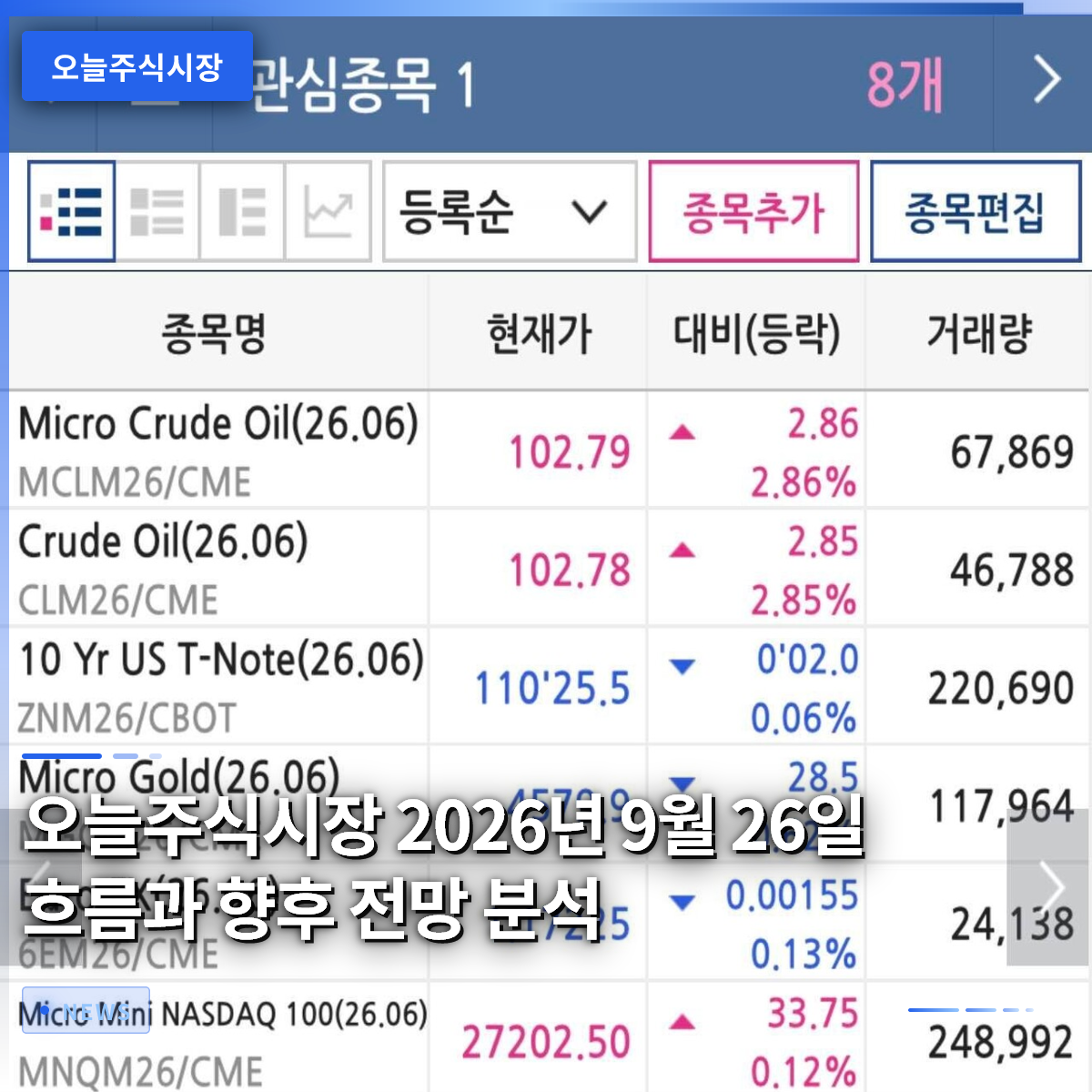
Today’s stock market is facing a complex situation, with international oil prices falling due to expectations of negotiations between the US and Iran, while tech stocks show strength. Recently, the securities market has barely ended the week on an upward trend after two days of gains and two days of mixed results, leaving investors with deep concerns. When approaching individual stocks, it is essential to read the broader macroeconomic trends alongside the charts to reduce the probability of failure. Getting impatient from hearing stories about people making big money in the stock market and hastily pressing the buy button can lead to significant losses. In this article, we will examine the key variables of the current stock market and industry-specific trends that investors should pay attention to in detail. This will be a great help in establishing a resilient asset allocation strategy that does not get swayed by daily stock price fluctuations.
=
Today’s Stock Market: Analysis of Trends and Future Outlook for September 26, 2026
1. International Situation and Changes in the New York Stock Market
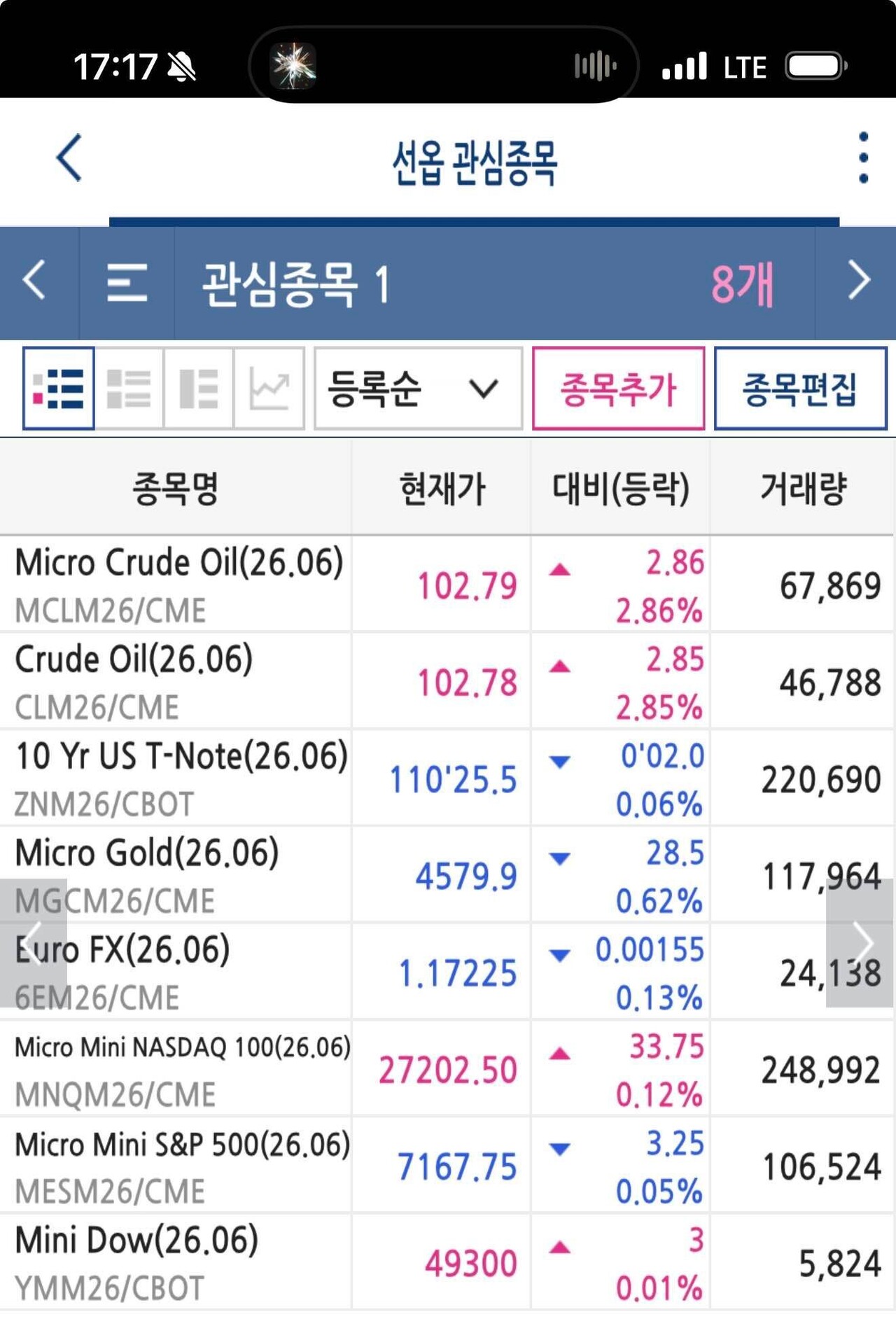
In the New York stock market, growing expectations for US-Japan negotiations have led to significant changes in investor sentiment, including a sharp drop in international oil prices. Falling oil prices reduce logistics and production costs for companies, positively impacting overall performance improvement. Major tech stocks like Microsoft are leading the market as they evolve beyond chatbot functions into advanced agent services. Experts believe that the strength of these tech stocks is likely to continue for some time and advise paying attention to the expansion of the AI-related ecosystem. However, the market is not seeing a uniform rise across all stocks; instead, there is a clear divergence in performance between individual stocks. Investors should selectively approach high-quality stocks backed by solid performance rather than simply buying based on index levels.
The New York stock market is showing a differentiated trend among stocks amidst falling international oil prices and strong tech stocks.
2. Weekly Closing Trends in the Domestic Securities Market

The domestic stock market had a difficult week, rising for two days, adjusting for two days, and then exploring direction for one day. Although it barely closed the week with a gain for the first time in four weeks, the fatigue felt by investors is considerable. Large-cap stocks took turns defending the index, with traditional blue-chip stocks particularly leading the rebound. Individual investors, tired of the sluggish flow of the domestic market, are turning their attention to the US stock market or safe assets like gold. The sustained interest in gold prices can be seen as a reflection of the increased volatility in the stock market. The more unstable the market, the more wisdom is needed to maintain an appropriate cash ratio and calmly wait for the next opportunity.
The domestic securities market ended a volatile week with a gain for the first time in four weeks, but investors’ concerns remain deep.
3. Outlook for Semiconductor and AI-Related Stocks
Expectations in the industry are growing as forecasts suggest that the semiconductor boom will continue for several years. The status of memory semiconductors has changed completely from the past, strongly supported by the surge in AI data centers. Even amidst complex variables such as competition for foundry market share with Taiwanese companies and subsidy issues, technologically advanced companies are steadily delivering results. It is not unrelated to this that stocks like Iljin Electric, which stand out in power grid replacement and renewable energy connection projects, are attracting attention. In an era where infrastructure investment is essential, stocks related to physical infrastructure, beyond just software, are bound to shine. Investors should cultivate the insight to read the massive flow of the entire industry rather than being swayed by short-term stock price fluctuations.
Long-term growth in related industries is expected as the semiconductor boom and power grid infrastructure expansion coincide.
4. Asset Allocation Strategy for Overseas Investors
Among domestic investors, funds flowing to the US stock market are increasing again, establishing diversified investment as the mainstream. Many are attempting long-term asset allocation using products like Exchange-Traded Funds (ETFs) to reduce the risk of individual stocks. Constructing a portfolio by appropriately mixing domestic and overseas stocks allows for relatively flexible handling even in the event of an economic crisis in a specific country. Blindly following what others are buying is a shortcut to taking the biggest losses when the market declines. It is essential to establish clear personal investment principles and develop the habit of regularly reviewing the portfolio. Experts emphasize that executing diversified investment while considering exchange rate volatility is the key to protecting assets.
Global asset allocation using ETFs is gaining popularity to reduce the risks of individual stock investments.
5. Samsung Electronics Stock Price and Large-Cap Risks
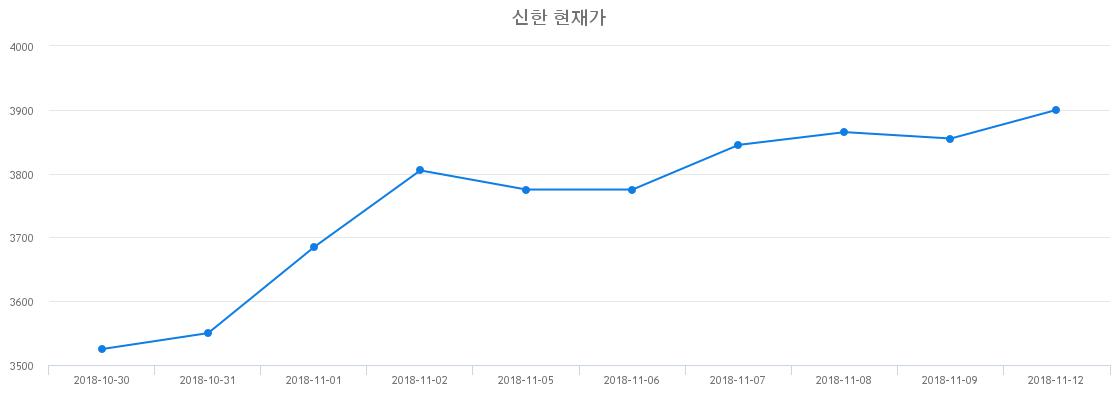
The stock that attracts the most attention from investors in the domestic stock market is undoubtedly the price movement of Samsung Electronics. News of US government subsidy support acts as a positive factor, but concerns about the technological gap with competitors remain a challenge to be resolved. On the stock price chart, a pattern repeats where supply floods in every time it hits a strong resistance line, blocking upward movement. When investing in large-cap stocks, one should trust the company’s intrinsic value and medium-to-long-term growth drivers rather than reacting to short-term news. Repeatedly cutting losses due to being swayed by rumors can lead to a situation where it is difficult to recover the principal. It is essential to carefully verify whether the vision presented by the company’s management aligns with actual performance.
Samsung Electronics is engaged in a fierce battle to break through resistance lines amidst subsidy positives and competitive risks.
6. Safe Assets and Future Investment Response
Every time stock market volatility increases, interest in safe assets like gold naturally rises. Instead of sighing at the red numbers in your stock account, a strategy of moving part of your assets to safe havens like gold or bonds is effective. The future stock market is highly likely to experience rapid changes depending on the timing of interest rate cuts and global economic indicators. Rather than stressing yourself out by checking the stock window every morning, it is better for mental health to focus on your main job and invest with spare funds. Instead of fearing failure, this experience should be used as an opportunity to solidify your own investment philosophy. Never forget that the person who survives the longest in the stock market becomes the wisest winner.
In volatile markets, asset allocation mixed with safe assets and a long-term perspective are the best responses.
Frequently Asked Questions
=