As U.S. President Donald Trump prepares a grand welcome ceremony for Chinese President Xi Jinping’s visit to the United States, fierce controversy is brewing within the American political establishment. Ahead of the U.S.-China summit, hardline China hawks within the Republican Party have strongly criticized the excessive protocol as a violation of national security principles. Concerns have erupted as the White House plans to send the President personally to the air force base for the greeting and even deploy fighter jets for a flyover. Views that this is a normal diplomatic courtesy for a head of state are clashing with arguments that it bestows too much glory upon the leader of a hostile nation. In this article, we will examine in detail the specific reactions from the U.S. political sphere surrounding President Trump’s actions and the potential future repercussions. Readers will be able to gain a vivid understanding of the complex dynamics behind the scenes of the diplomatic stage.
=
Trump Rolls Out the Red Carpet for Xi Jinping: Background on the Backlash from US China Hawks
1. Trump’s Unprecedented Protocol Ahead of the U.S.-China Summit
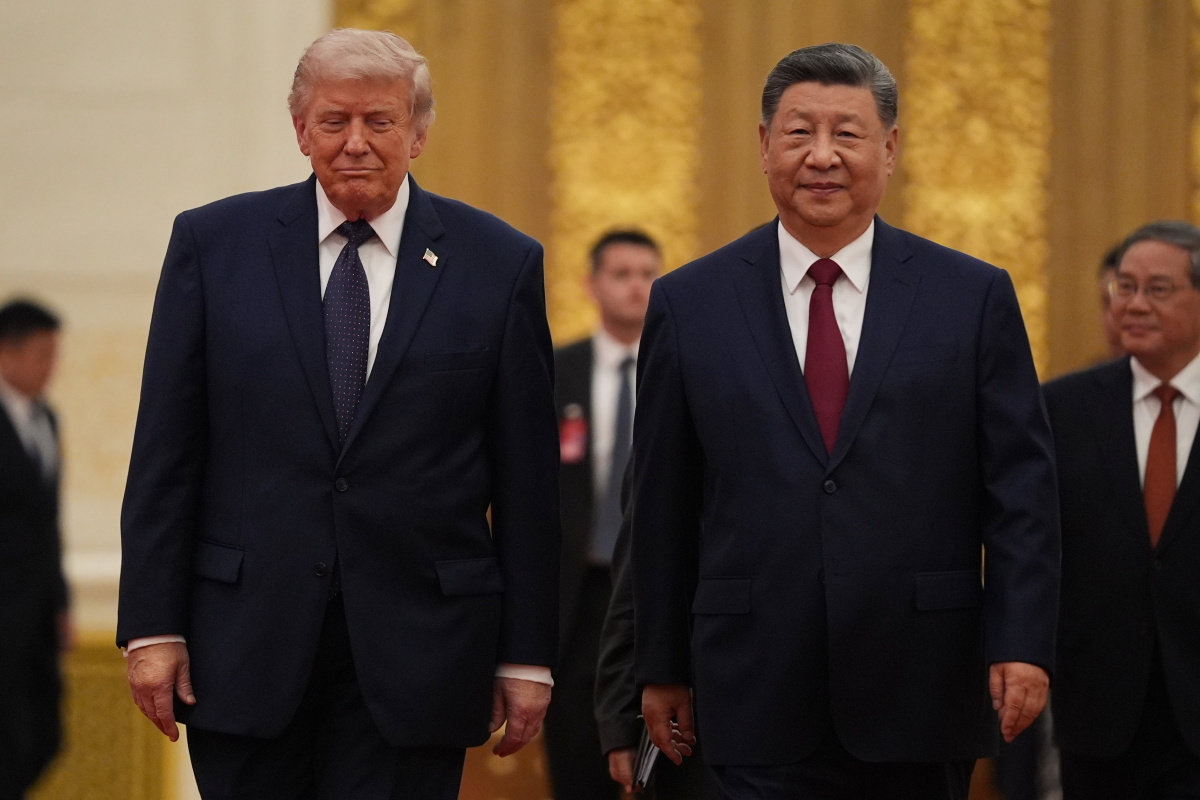
U.S. President Donald Trump has drawn significant attention by arranging an unprecedented and lavish welcome schedule for Chinese President Xi Jinping’s visit to the United States. According to a White House announcement, President Trump is expected to personally travel to the joint base in Maryland to welcome President Xi and his wife, Peng Liyuan. At the official state welcome ceremony to be held the following day, strategic bombers and fighter jets, representing the core of U.S. air power, will perform a flyover to display their might. Several private meetings between the two heads of state and their spouses are also scheduled, further emphasizing the diplomatic significance. While extending the highest level of courtesy befitting a head of state can be interpreted as a diplomatic convention, this welcome carries meaning beyond simple friendship, given that the visiting country is the United States’ primary security rival.
President Trump’s decision to roll out such a lavish red carpet is interpreted as stemming from complex diplomatic calculations and economic interests. His political inclination, which has favored direct communication and grand events since his first term, is fully reflected in this instance. Chinese state media have also reported in detail on President Xi’s U.S. visit schedule, openly expressing expectations for improved bilateral relations. The presence of top-tier diplomatic and security officials, including First Lady Peng Liyuan, underscores the weight of this summit. The meetings to be held in the Washington D.C. area over the scheduled period of more than two days are expected to be a crucial turning point that will determine the future direction of U.S.-China relations.
President Trump is leading a diplomatic event by preparing the highest level of special protocol for President Xi’s visit to the U.S.
2. Fierce Backlash from US Republican Hardliners
However, as soon as the White House’s welcome plans became known, hardline China hawks within the Republican Party immediately voiced their dissatisfaction and launched public criticism. Senator Roger Wicker, a Republican and Chairman of the Senate Armed Services Committee, delivered a sharp critique of the White House’s decision during a Senate session. He stated that if they had been consulted in advance, he would have advised against inviting President Xi to Washington for such a grand welcome. Senator Wicker warned that the current Chinese leadership is trying to suppress neighboring countries and is directly targeting the United States based on its massive military power. He specifically urged that the summit with President Xi must address military issues threatening U.S. allies and suspicions of involvement in attacks on third countries. This demonstrates the hardliners’ firm resolve that the event should not be merely a formal diplomatic occasion but must involve strong pressure on substantive security issues.
In the same vein, Representative John Moolenaar, a Republican and Chairman of the House China Committee, also sent an official letter to President Trump, expressing caution. He repeatedly emphasized that China remains the most critical external adversary and the greatest external threat to the United States. This attitude among congressional leaders stems from deep concerns that the administration-led mood of reconciliation or excessive protocol could inadvertently send the wrong signal. There is a deep-seated fear within the Republican Party that the decades-long policy of containing China could be weakened by such external performances. Therefore, this summit is highly likely to become a stage that fully exposes the subtle differences in perspective between Congress and the administration.
Republican hardliner lawmakers directly criticized the White House’s excessive welcome ceremony, arguing that China is the greatest security threat.
3. Clashes Over Security Issues and Accountability

Some in the U.S. political sphere view this welcome controversy as expanding beyond mere protocol issues into substantive debates over security accountability. Republican lawmakers demand that President Xi be pressed on recent military provocations and suspicions of involvement in international conflicts during his visit to the United States. For instance, serious concerns have been raised that Chinese reconnaissance and satellite imagery was used in an Iranian attack that resulted in the deaths of U.S. military personnel. With such security matters piling up, critics point out that lavish flyovers and red carpet ceremonies could dilute the U.S.’s firm resolve. This is why criticism is being raised that the administration is failing to strike a balance between extending diplomatic courtesy and safeguarding national security interests.
From the perspective of the general public, it may feel somewhat strange to see the leaders of two nations in a hostile relationship acting so cordially. Some confusion is also detected among supporters, given that an administration that typically advocates for “America First” is extending excessive hospitality to the leader of its biggest competitor. Diplomatic experts analyze that while such performances may help ease tensions in the short term, they could cause confusion in the long-term strategy toward China. If the meeting ends with only flashy appearances without securing substantive concessions, there is a risk of facing political backlash. Therefore, the outcome of this summit will ultimately depend entirely on the substantive negotiation results hidden behind the lavish protocol.
Criticism of the excessive welcome is intensifying as security issues and suspicions of involvement in third-country attacks become entangled.
4. China’s Reaction and the Composition of the Visiting Delegation
Despite the fierce controversy and criticism within the United States, the Chinese side has begun to fully handle the state visit schedule without wavering. Major Chinese state media, such as Xinhua News Agency, widely reported that President Xi departed from Beijing with his wife, Peng Liyuan. This tour is accompanied by key figures, including Cai Qi, a member of the Standing Committee of the Political Bureau of the Communist Party of China, and Wang Yi, the Foreign Minister and head of diplomacy. This suggests that the U.S. visit is not a mere ceremonial trip but an all-out effort to achieve substantive results at a critical juncture in bilateral relations. President Xi is scheduled to arrive in Washington D.C. on the 24th local time to hold an official summit with President Trump and conclude a three-day, two-night itinerary.
From China’s perspective, the special protocol arranged by President Trump could be seen as a significant diplomatic achievement, despite the backlash from U.S. China hawks. Standing in the presidential seat while receiving the highest level of courtesy on U.S. soil, under the watchful eyes of the world, is perfect for domestic and international display. As the two countries clash in numerous fields including trade, technology, and security, attention is focused on whether this meeting can open a channel for communication. However, given the fierce pressure from the U.S. Congress, President Xi is structurally unlikely to easily secure concessions during this visit. While a lavish red carpet is rolled out on the surface, a fierce battle of wits with no inch of compromise is bound to unfold at the negotiation table.
President Xi has embarked on his U.S. visit accompanied by a large contingent of key diplomatic aides, aiming for thorough diplomatic gains.
5. The Future Direction of U.S.-China Relations and the International Landscape
This summit and the surrounding conflicts within the United States will trigger significant, lasting repercussions across the global international landscape. Depending on how the Trump administration finds a balance between pressuring China and engaging in dialogue, global supply chains and economic markets will be directly affected. As the voices of Republican hardliners grow louder, it is projected to be realistically difficult for the administration to make too many concessions to the Chinese side. Conversely, there is a fully open possibility that the administration may deploy tougher follow-up measures or regulatory cards after the summit, at least in part to heed this controversy. Diplomacy is a living entity, and whether the outwardly lavish welcome translates into actual policy results must be observed to the end.
For neighboring countries like ours, the movements of the U.S. and China are core variables that determine economics and security, making it an issue that cannot be ignored for a moment. The fact that the two hegemonic powers have opened a venue for dialogue while avoiding extreme confrontation is a point worth evaluating positively. However, one must be wary that the factional conflicts and power struggles occurring behind the scenes can turn into new risks at any time. Readers also need the wisdom to closely observe these complex flows in the international diplomatic stage and prepare for upcoming economic changes. This is precisely why we must pay closer attention to the results and aftermath of the summit coming from Washington.
This summit and domestic political backlash will have a massive impact on future global international politics and economic trends.
6. The Harsh Reality Hidden Behind the Grand Welcome
In conclusion, the red carpet President Trump has rolled out for President Xi Jinping is a product of complex political calculations, going beyond simple welcome sentiments. The fierce backlash from U.S. China hawks clearly demonstrates that bilateral relations cannot easily enter a thawing mode. Beneath the appearance of lavish fighter jet flyovers and banquets, a fierce psychological battle over security threats is tightly strung. It is essential to have the insight to look at the substantive interests and conflict elements contained within, rather than being dazzled by the glamour of diplomatic events. We recommend calmly observing the specific outcomes of the upcoming summit and the reactions from the U.S. political sphere to the end. Accurately reading the complex flows of international diplomacy is the most reliable way to navigate the rapidly changing times wisely.
We must grasp the harsh political reality hidden behind the lavish protocol and continue to monitor future diplomatic changes.
Frequently Asked Questions
=