Today, the KOSPI index recorded a strong rebound, rising significantly from the previous trading day to reclaim the 6,700 level. After a four-day decline that left many investors anxious, this rise has begun to breathe new life into the market. Many people who hastily sold their holdings out of fear of further drops are now swallowing their regret as they watch the market surge unexpectedly. The stock market often moves contrary to our expectations, so rather than reacting emotionally to short-term fluctuations, it is essential to develop the ability to read the broader market landscape. In this article, we will carefully examine recent index movements and the key factors we should focus on going forward. If you are tired of the daily volatility in the stock market, this content will help you find peace of mind and formulate a wise response strategy.
=
Today’s KOSPI Rebound Success and Analysis of Domestic Stock Market Trends
1. The Remarkable Rebound and Current Status of Today’s KOSPI
Today, the domestic stock market completely washed away the sluggish atmosphere that had persisted until the previous day, displaying a vibrant performance. The KOSPI index demonstrated its strength by rising over 1 percent to climb above the 6,700 mark. Given that investor sentiment had been frozen by consecutive declines over the past few days, this rebound is particularly meaningful.
Among acquaintances, there were those who, gripped by the fear that the index would continue to fall, sold their stocks at the bottom. However, the market often takes a breather in the opposite direction, creating new opportunities. Looking at today’s closing results, specific sectors, including optical communication-related stocks, led the strong upward trend. Even when the overall market is shaken, there are always standout stocks depending on individual corporate value or supply and demand conditions.
Today’s KOSPI rebounded by more than 1 percent, recovering the 6,700 level after a three-day decline.
2. Background of the Recent Decline
The reason the index fell consecutively over the past few days was due to selling pressure from foreign investors and supply-demand instability. Investors, anxious that the index might drop below the 6,600 level, were busy disposing of their stocks. It is a painful experience to open the stock app every morning and see blue lights (indicating a drop) instead of red lights (indicating a rise).
Sustained selling by foreigners held back large-cap blue-chip stocks, which in turn led to a decline in the overall index. This is also why there were so many phone calls from people asking whether they should buy more stocks or cut their losses now. Experts advise that in such situations, one should calmly observe market bottom signals and changes in supply and demand rather than engaging in unconditional panic selling. In fact, the rebound seen today after days of adjustment serves as a lesson to be wary of both excessive optimism and pessimism.
The recent decline was caused by the combination of foreign investor selling pressure and supply-demand instability, leading to poor performance in large-cap stocks.
3. Movements in Optical Communication and Advanced Manufacturing Stocks
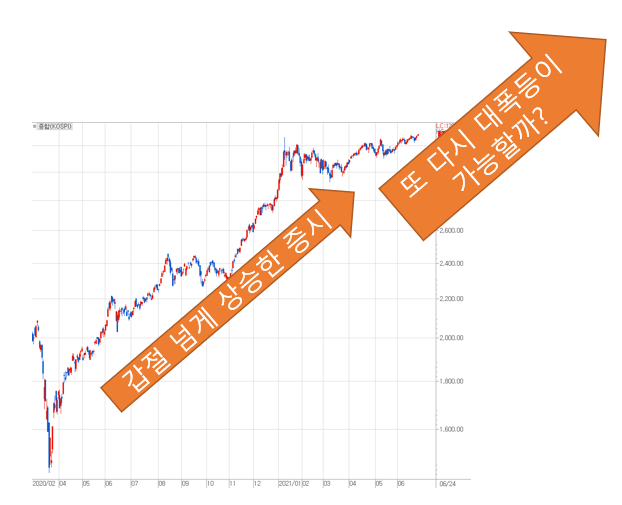
The most notable part of today’s trading session was the relentless surge of specific technology-related stocks, including those in optical communication. Even when the overall market showed a sluggish trend, companies with solid technological capabilities actually attracted buying interest. For example, companies dealing in optical cables or semiconductor-related components defended their stock prices based on steady demand.
It is only natural that advanced manufacturing fields, backed by actual performance rather than mere rumors, are gaining attention in the stock market. Among investors around us, there are those who have enjoyed substantial gains by investing early in stocks related to new drug development or innovative components that others have overlooked. Observing which sectors rise first during a market-wide correction is the wisdom needed to prepare for the next bull run. Today’s rise was also largely driven by the strength of these quality stocks and specific themes.
Despite the overall index decline, optical communication and advanced manufacturing stocks showed strength, supporting the index.
4. The Correlation Between Foreign Supply and Demand and Index Direction
In the domestic stock market, the supply and demand of foreign investors remains the most important key determining the fate of the index. As long as foreigners maintain a net-selling stance, even good companies struggle to gain momentum and tend to move sideways. Conversely, when foreigners and institutional investors shift to a net-buying position or reduce their selling, as seen today, the market quickly regains its vitality.
Individual investors, limited by their financial resources, often react emotionally to the movements of foreigners and institutional investors. There are many voices warning against blind follow-trading, such as “if foreigners sell, I sell; if they buy, I buy.” However, it is a reality that the massive flow of supply and demand cannot be ignored, so it is necessary to examine macroeconomic indicators such as exchange rates and interest rates together. Reading how foreigners view the Korean market is the shortcut to successful investing.
Changes in foreign investor supply and demand are a core factor determining the index direction and should always be monitored.
5. Wise Investment Strategies During a Correction
When the stock market shows a downward trend for several days, the greatest enemies for investors are impatience and fear. Rather than sighing while checking your account every time the stock price drops, you must calmly judge whether it is an opportunity for low-price buying or the beginning of further declines. There is no regret more painful than selling stocks at a loss due to rumors and then facing a situation where the stock price surges again.
Using a dollar-cost averaging strategy to gradually accumulate quality stocks as prices fall is useful in volatile market conditions. In particular, investors utilizing index products related to the KOSPI 200 can find it a viable alternative to calmly buy as prices drop. Only when you abandon the habit of emotional trading and practice principle-based investing can you truly enjoy the joy of seeing your account balance grow.
During a correction, dollar-cost averaging and principle-based investing are better ways to reduce losses than impulsive selling.
6. Future Outlook and Advice for Readers
The domestic stock market is expected to continue fluctuating depending on changes in the external economic environment and the improvement of corporate earnings. It is wise to thoroughly manage asset allocation and maintain a portfolio centered on quality companies rather than reacting emotionally to short-term stock price fluctuations. We need to calmly observe whether today’s rebound is a temporary phenomenon or the beginning of a sustained upward trend.
Rather than relying on indiscriminate information heard around or rumors in KakaoTalk group chats, you must study the value of companies yourself. Stock investing is ultimately a battle with oneself, and it is a world where the resilience to not be swayed by others’ words is most important. I encourage you to become someone who carefully observes market trends and calmly prepares for the next opportunity in the coming trading days. I believe without a doubt that the sweat and worries you shed today will return as abundant investment results in the future.
Since the future market will move according to domestic and international variables, it is essential to maintain a long-term perspective centered on quality stocks.
Frequently Asked Questions
=