
President Lee Jae-myung successfully broke the long-standing deadlock in trade and industrial cooperation between the two nations during his state visit to Mexico. This visit by a South Korean president to Mexico is a historic event, occurring for the first time in 16 years, and serves as a significant milestone marking a new leap in bilateral relations. Through this summit, the stalled negotiations on revising the Investment Protection Agreement, which had been pending for seven years, were swiftly concluded, and discussions on a trade agreement, which had been on hold, were brought back to the table. During the visit, the two leaders engaged in in-depth discussions for approximately two hours, exploring cooperation in various fields. The meeting held at the National Palace in Mexico City marked a turning point, expanding the scope of cooperation beyond trade-centric ties to encompass high-tech industries and the entire supply chain. Let us examine step by step what opportunities the strengthening economic partnership between the two countries will bring to our enterprises.
=
Lee Jae-myung’s State Visit to Mexico Breaks Deadlock in Trade and Industrial Cooperation

1. State Visit and Summit After 16 Years

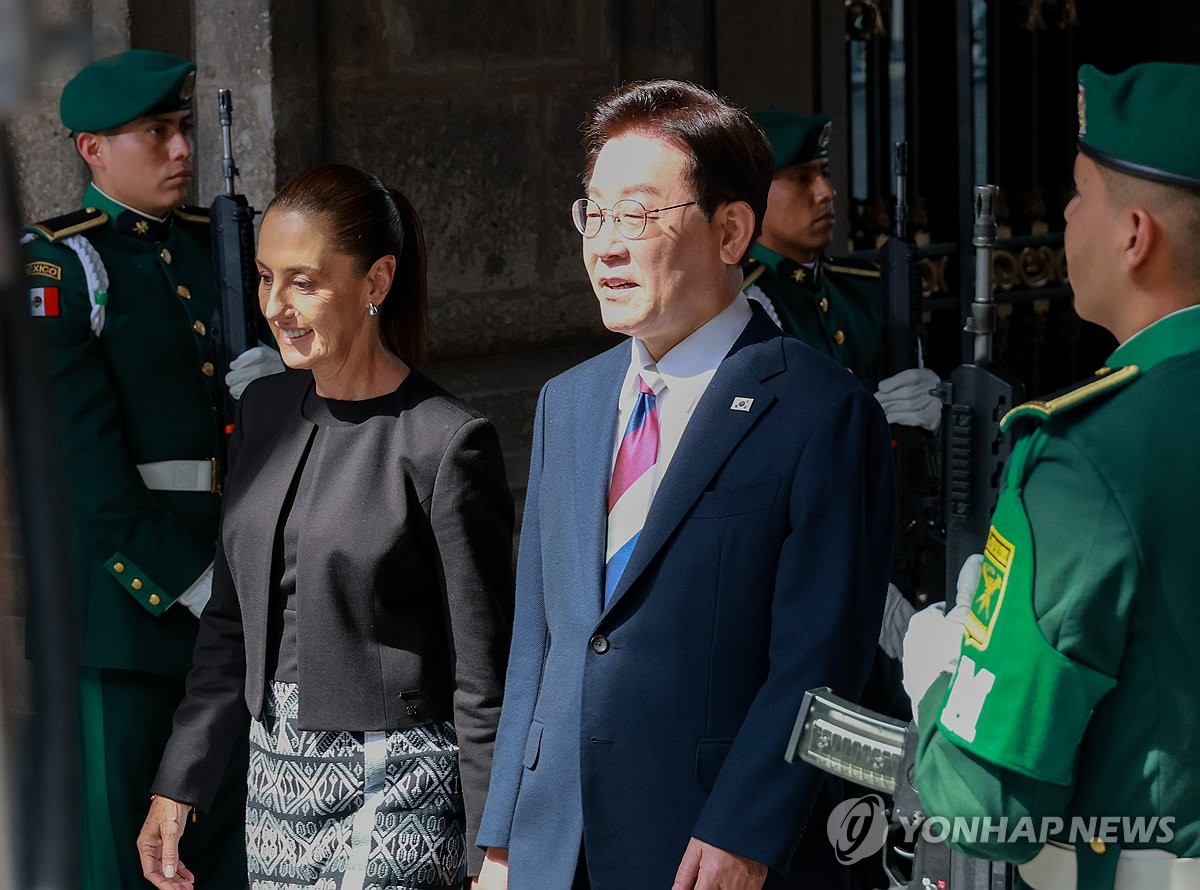
President Lee Jae-myung visited the National Palace in Mexico City and successfully concluded a summit with President Claudia Sheinbaum. This visit by the South Korean president to Mexico attracted significant attention as a historic state visit realized after a 16-year gap. The two leaders held consecutive small-group and expanded meetings in the morning, engaging in serious discussions for about two hours. This meeting was not merely a ceremonial visit but a platform to resolve current issues facing both nations and to lay the groundwork for future-oriented cooperation. To inject vitality into the long-stagnant bilateral relations, the two leaders exchanged broad views on various agendas. At the joint press conference held immediately after the summit, a Joint Action Plan outlining the direction in which the two countries will move forward together was officially adopted. Such high-level diplomatic efforts provide a solid foundation for resolving difficulties faced by companies of both nations locally and enabling them to conduct business stably. In fact, direct communication between heads of state plays a decisive role in unblocking bottlenecks in practical negotiations. This visit, which broke a long period of inactivity, was sufficient to instill great expectations in the people of both countries. The vibrant exchanges expected between the two countries in the future are projected to extend beyond economic cooperation to cultural and human exchanges.
Through the summit realized after 16 years, the two countries broke the gap in exchanges and laid the foundation for future-oriented cooperation.
2. Conclusion of Investment Protection Agreement Revision After 7 Years
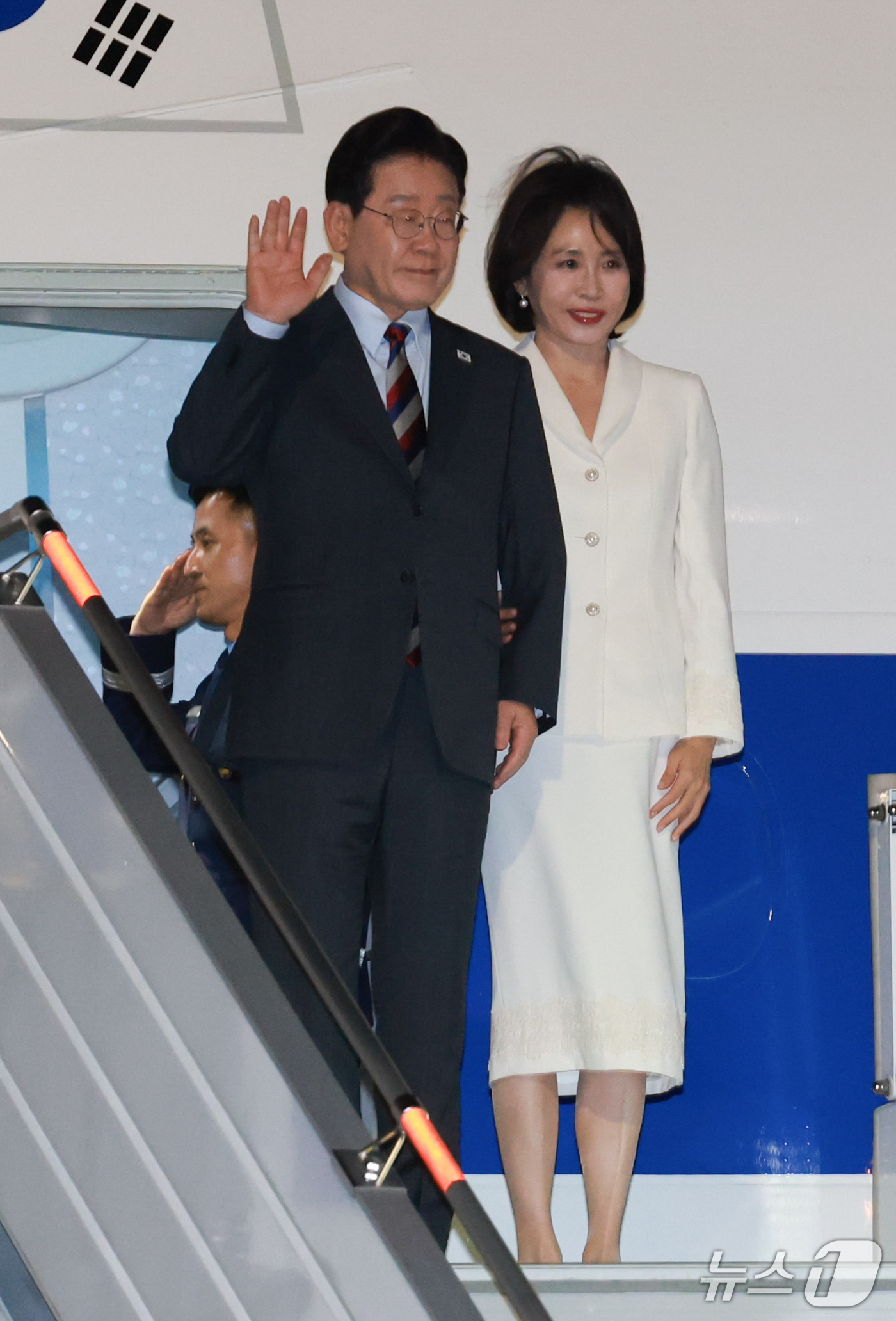
The most outstanding economic achievement of this visit to Mexico is, above all, the conclusion of the negotiations on revising the Investment Protection Agreement, which had been pending for seven years. The two countries agreed to expedite domestic procedures to bring the revised agreement into force as soon as possible. An Investment Protection Agreement serves as a shield, firmly protecting the assets of companies and investors entering the counterpart country from unfair expropriation or discriminatory measures. It also establishes standards for the fair resolution of fund transfers and potential disputes, making it an essential mechanism for companies expanding overseas. For our companies, which have faced uncertainty due to changes in local policies, this agreement is like a timely rain in a drought. The establishment of an institutional safety net for business people operating in overseas markets gives them the courage to more boldly expand local investments. The two countries plan to swiftly proceed with signing and ratification procedures to realize benefits that companies can feel as soon as possible. Such institutional improvements play a decisive role in building a long-term and stable investment partnership, going beyond one-off trade. In fact, numerous South Korean companies operating in Mexico expect that this news will significantly enhance the stability of their local businesses. As the long-delayed negotiations finally bear fruit, the relationship of trust between the two countries has become even stronger.
With the conclusion of the Investment Protection Agreement revision, which had been stalled for seven years, our companies now enjoy a safer investment environment locally.
3. Restart of Trade Agreement Discussions and Trade Cooperation
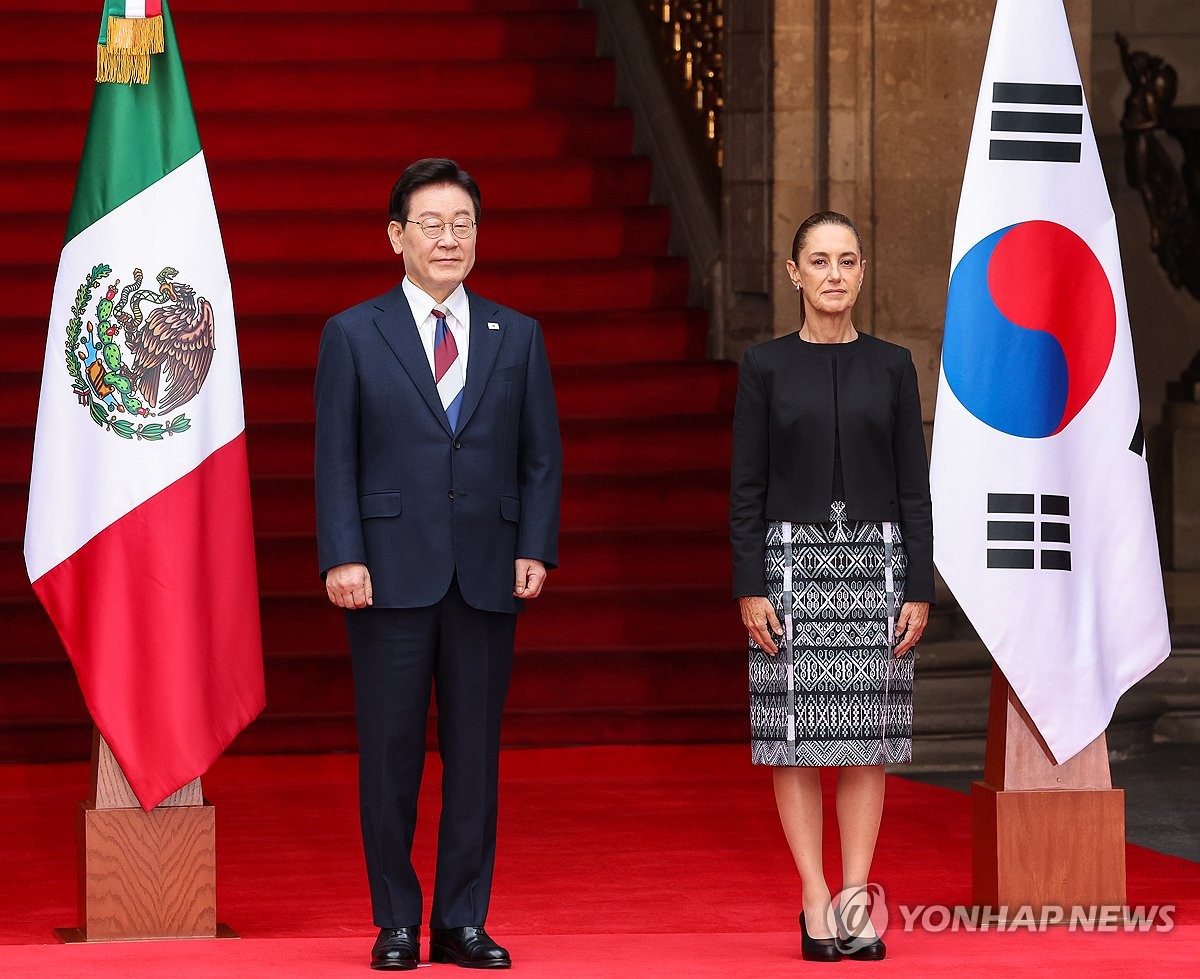
In addition to the Investment Protection Agreement, strong momentum has also been generated to restart discussions on concluding a trade agreement, which had been on hold for a long time. Currently, there is no formal Free Trade Agreement between the two countries, and trade is conducted based on general World Trade Organization (WTO) norms. President Lee Jae-myung emphasized at the joint press conference that concluding a trade agreement is very urgent to significantly expand trade and investment between the two countries and create a stable environment. Although a dramatic final agreement has not been reached immediately, the trade authorities of both countries agreed to first proceed with a process of researching common interests. Through this, they plan to gradually seek mutually beneficial economic cooperation options. The Mexican side also highly evaluated that the economic structures of the two countries are strongly complementary while also being competitive. Once trade cooperation is fully launched, trade in various items that had been blocked by tariffs or non-tariff barriers will gain momentum. The two countries established a new cooperation channel covering economic, industrial, and resource sectors, creating a framework for constant communication. This communication window will play a crucial role in preventing potential trade frictions in advance and finding amicable solutions. Since the stalled wheel has started rolling vigorously again, the scale of trade between the two countries is highly likely to grow significantly in the future.
With the promotion of joint research between trade authorities for the conclusion of a trade agreement, a practical foundation for revitalizing trade has been laid.
4. Plan Mexico and Local Investment by Korean Companies
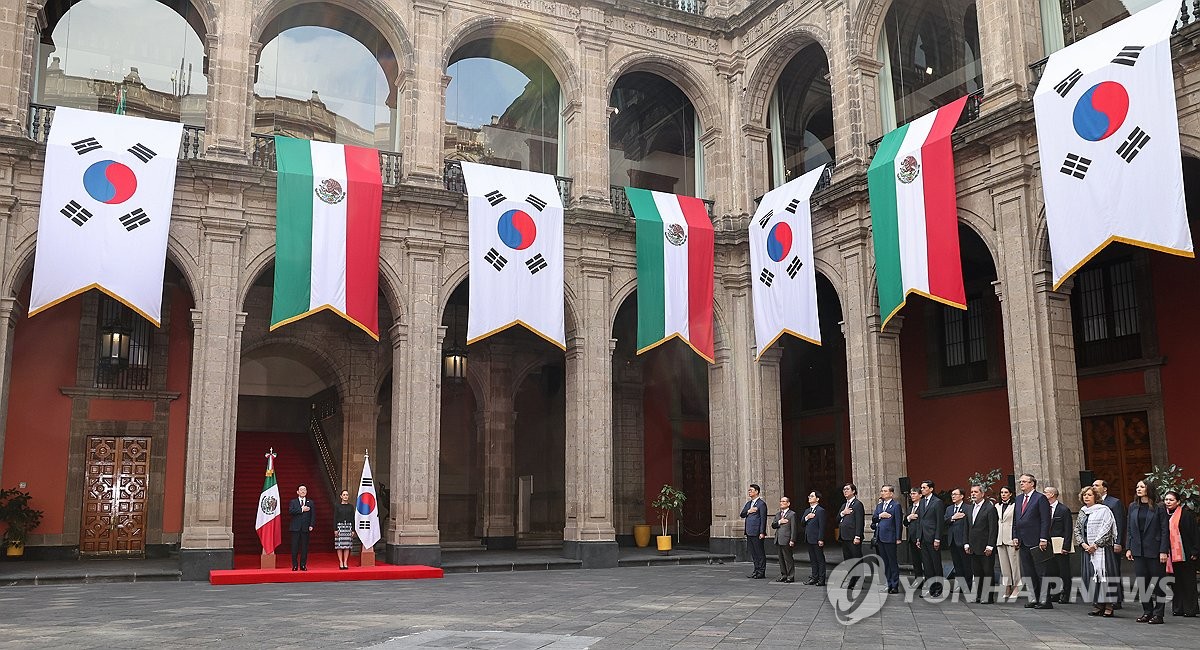
The cooperative relationship between the “Plan Mexico,” a domestic-centric industrial promotion policy strongly promoted by the Mexican government, and Korean companies has also deepened. Before the summit, President Claudia Sheinbaum highly evaluated the investment willingness shown by Korean companies in Mexico and expressed great expectations. The Sheinbaum administration is making every effort to expand domestic production capacity and upgrade technology as a national task. In fact, a recent case where a major domestic company executed large-scale investment in Mexico and fully launched electric vehicle production has been cited as a model of success. The fact that Mexico’s top leader directly praised the local activities of Korean companies shows how strong the industrial cohesion between the two countries is. The combination of Korea’s excellent industrial and technological competitiveness with Mexico’s geographical and resource strengths is maximizing synergy effects. The Mexican side promised to provide full support to resolve questions faced by Korean companies locally and to facilitate the smooth execution of investment plans. In line with this trend, institutional mechanisms for corporate financial support and the construction of supply chains for crude oil and key resources have also been newly organized. Financial support of $100 million will serve as a timely rain for our small and medium-sized enterprises (SMEs) and mid-sized companies looking to expand their businesses locally. The two countries are transforming into partners who are building a future-oriented industrial ecosystem together, going beyond traditional manufacturing-centric cooperation.
The meeting of Mexico’s industrial promotion policy and Korean companies’ technological capabilities is yielding practical results such as local production and expanded investment.
5. Expansion of Cooperation in High-Tech Industries, Defense, and Aerospace
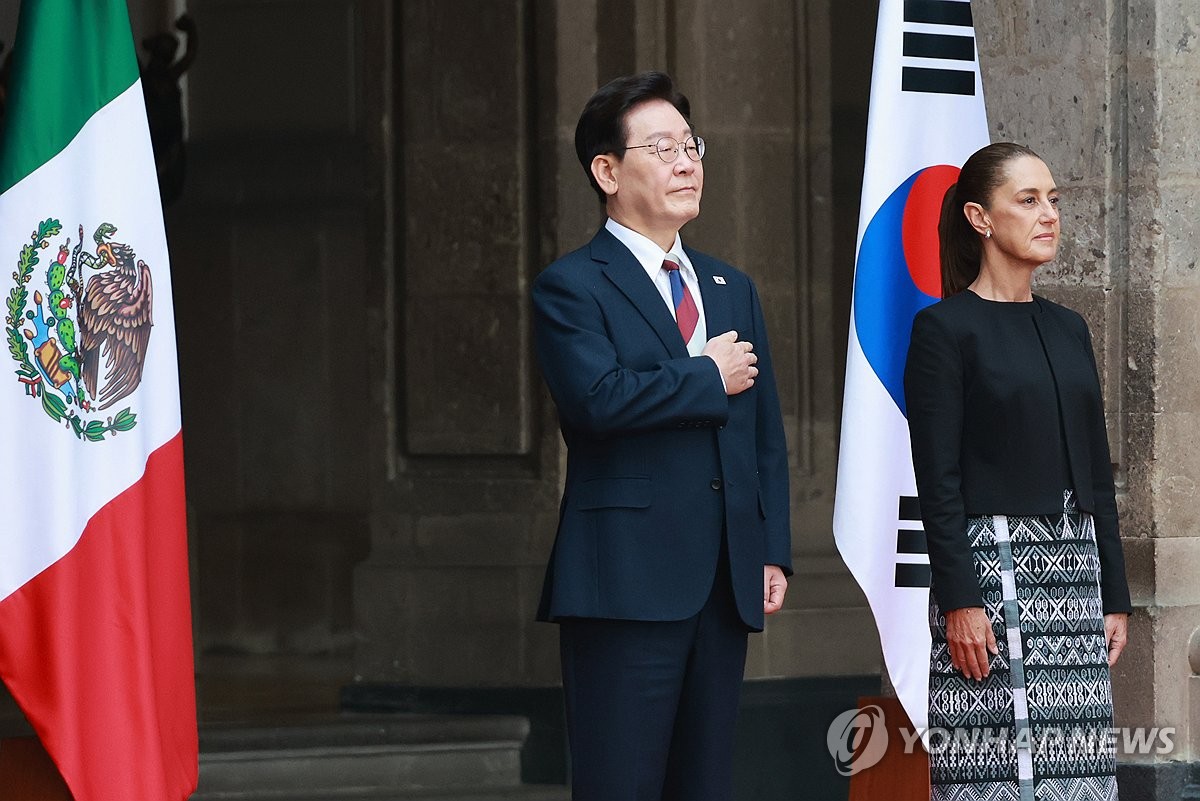
On the occasion of this state visit, the two countries expanded the scope of cooperation from traditional manufacturing to high-tech future industries such as artificial intelligence, space, and defense. In particular, the plan to directly produce Korea’s excellent defense technology in Mexico and jointly enter third-country markets is being deeply reviewed. If local production cooperation for high-tech defense equipment, including the domestically produced fighter jet, becomes tangible, the defense industry partnership between the two countries will enter a new phase. Cooperation in the defense sector is particularly meaningful as it requires long-term close security and technological trust, going beyond simple material exchange. The process of sharing and developing high-tech technologies together serves as a driving force to elevate the economic structure of both countries to the next level. A foundation has also been laid for researchers and companies in both countries to join hands in joint research and technology development in future growth industries such as artificial intelligence and aerospace. Cooperation in the high-tech industry sector provides great strength for the two countries to secure joint competitiveness in the rapidly changing global economic environment. Thanks to solid support from the government level, private companies can reduce risks and boldly challenge new technology development. The exchange of high-tech science and technology will serve as a catalyst providing more jobs and innovative opportunities for future generations. The two countries are transforming into true technological partners leading future technology beyond national borders.
Plans for local production and joint entry in high-tech future industries such as defense and artificial intelligence were actively discussed.
6. Future Prospects of Economic Cooperation and Opportunities for Our Companies
President Lee Jae-myung’s state visit to Mexico was a historic step that definitively unblocked the long-stagnant trade cooperation between the two countries. The achievements, from the conclusion of the Investment Protection Agreement after seven years to the expansion of cooperation in high-tech industries and defense, are very substantial and broad. A perfect foundation has been laid for our companies to conduct business in a more stable environment in the huge Latin American hub market of Mexico. If follow-up research and consultations between trade authorities proceed without issues, the scale of trade and investment between the two countries will grow to an unimaginable level. Our companies should actively utilize these intergovernmental diplomatic achievements to accelerate their efforts to capture the local market. As the importance of the Latin American region grows day by day in the rapidly changing global economic order, Mexico is a core partner that must not be missed. The strong supply chains and financial support systems built on the occasion of this visit will serve as a powerful compass guiding the overseas expansion of domestic companies. Readers are also encouraged to pay continuous attention to changes in the Latin American market and the flow of economic cooperation between the two countries. We look forward to the future of mutual prosperity between South Korea and Mexico with a warm gaze and cheer on the activities of our companies. We sincerely hope that the valuable achievements left by this visit will inject vitality into the South Korean economy and become a stepping stone for a greater leap.
This state visit opened a new horizon in trade cooperation between the two countries and threw wide open the door to the huge Latin American market for our companies.
Frequently Asked Questions
=