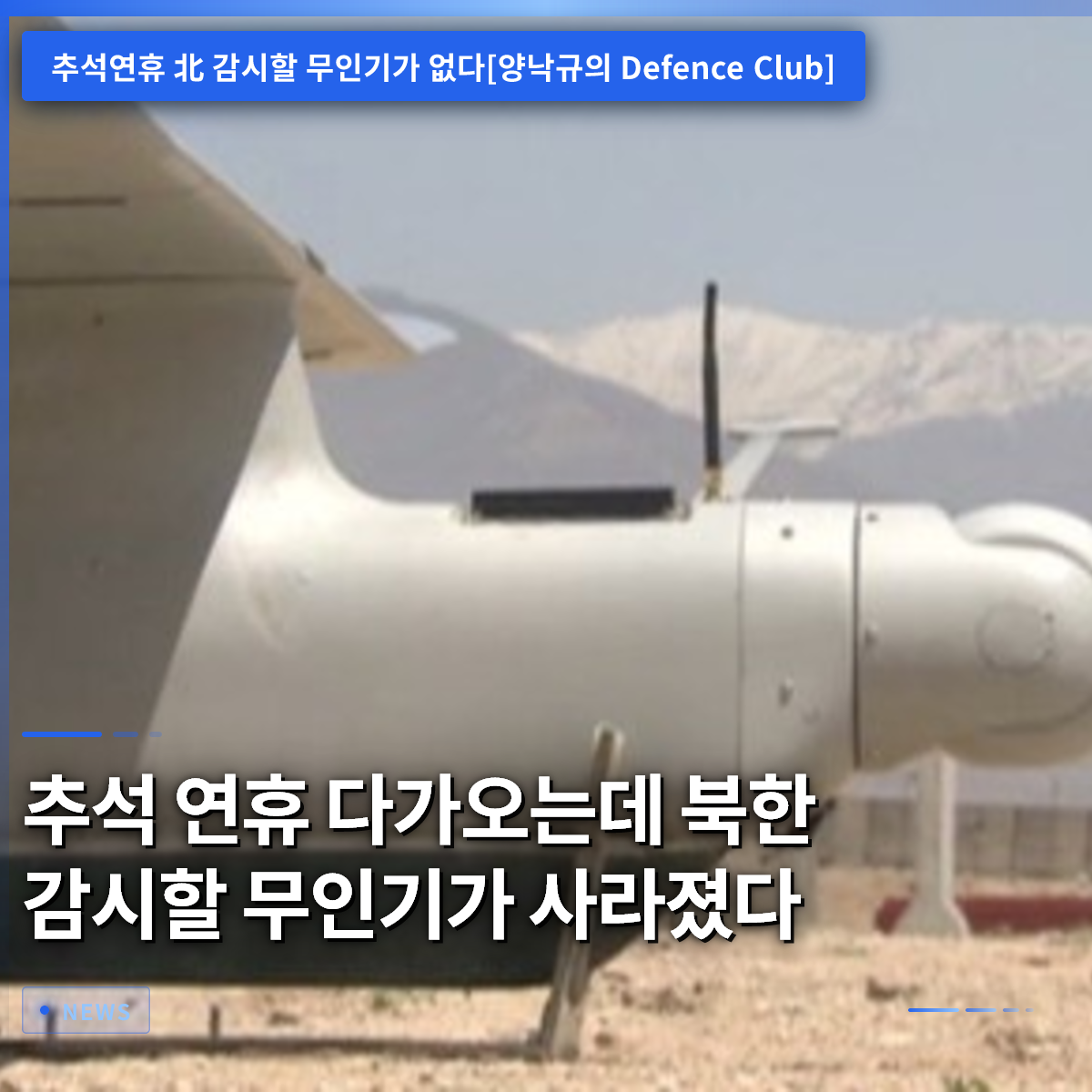
South Korea is currently facing a serious security gap as the country approaches the holiday season, with a severe shortage of key unmanned reconnaissance assets needed to monitor North Korea. While military authorities must closely scrutinize the Northern Limit Line (NLL) and North Korean long-range artillery movements at the front lines, the number of operational drones is critically low. At a time when citizens should be able to enjoy a peaceful and safe holiday, a significant hole has opened up on the front lines of national defense. The Songgolmae, the first domestically developed corps-level drone, is so severely aged that it generates significant noise, leading field operators to avoid using it. The situation has worsened further as the Heron, a high-altitude drone imported from abroad, has been removed from active service due to a series of crashes and collisions. In this article, we will examine the current state of the military’s drone shortage, the reasons behind this crisis, and the necessary countermeasures.
=
Drones for North Korean Surveillance Disappear as Chuseok Holiday Approaches
1. Aging and Limitations of the Songgolmae Drone
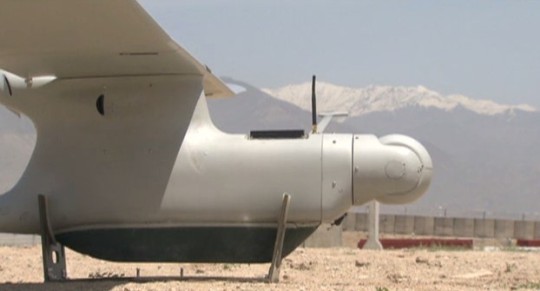
The Songgolmae drone, which was the first domestically developed aircraft to handle front-line corps-level reconnaissance missions, is currently suffering from severe aging issues. Although dozens were introduced in the past, long-term operation has led to defects throughout the airframes and a significant decline in performance. In particular, the noise generated during flight is so loud that it is entirely unsuitable for the nature of missions requiring stealthy reconnaissance of enemy territory. Field unit members are reluctant to operate the equipment due to concerns that the noise could expose them to the enemy. As this essential asset fails to fulfill its role, a first hole has appeared in the front-line surveillance network.
Defense experts unanimously point out that missing the replacement window for the drones was the biggest failure. Because the military failed to transition to new equipment in a timely manner and continued to hold onto aging airframes, the security gap has snowballed. Military authorities are well aware of these issues but are stuck in place due to budget constraints and administrative procedures. The fact that the military must rely on outdated equipment during periods requiring heightened alertness, such as holiday seasons, causes anxiety among the public. Ultimately, the military faces the critical task of urgently introducing new corps-level drones to fill the capability gap.
The Songgolmae, the first domestic corps-level drone, has reached a state where field operation is virtually impossible due to severe aging and significant noise issues.
2. Consecutive Crashes and Accidents Involving Heron Drones

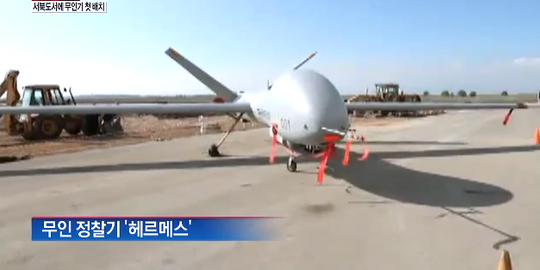
The Heron, a high-altitude drone ambitiously introduced from Israel to monitor the area around the Northern Limit Line in the West Sea, has also faced a dismal situation. The Heron was introduced with the critical mission of flying for long durations over high and wide areas to monitor enemy coastal and long-range artillery. It had generated high expectations due to its superior performance and long endurance, but a series of unexpected accidents has caused significant disruption to its operational capability. A painful incident occurred where a valuable airframe crashed due to North Korean GPS jamming attacks.
To make matters worse, last year, a Heron drone attempting to land at a domestic aviation unit collided head-on with a Surion helicopter on the ground. This accident resulted in massive losses, with both the drone and the helicopter completely burned out. Of the three Herons originally introduced, only one remains, making normal operations virtually impossible. With the loss of the core “eyes and ears” for defending the Northwest Islands, North Korean surveillance capabilities have suffered a tremendous blow.
The Heron drones introduced from Israel have suffered a major surveillance gap, with two out of three units lost due to radio jamming and a helicopter collision accident.
3. Risks in Northwest Island Defense and North Korean Surveillance
The West Sea Northern Limit Line and the areas around Baengnyeongdo and Yeonpyeongdo, collectively known as the Northwest Islands, are the most tense and dangerous front-line regions between the North and South. In this area, it is essential to grasp every small enemy movement in real-time to prevent accidental clashes. However, as key reconnaissance assets like drones have consecutively malfunctioned and disappeared, the military’s visibility in this region has significantly narrowed. While military authorities explain that other surveillance assets can be utilized, field commanders are feeling the practical gap.
The holiday period is a time when there is always a possibility that North Korea may carry out military provocations or employ deceptive tactics. The lack of drones to monitor enemy movements in the sky during such a critical time is a fatal weakness for national security. While citizens want to enjoy the holidays with peace of mind, news of the military’s equipment shortage makes it difficult to hide their anxiety. Military authorities should not merely emphasize a flawless preparedness posture in words but must exert all efforts to secure substantive reconnaissance assets.
The disappearance of key drones guarding the West Sea Northern Limit Line and Northwest Islands has posed a serious risk to the North Korean surveillance network during the holiday period.
4. Military Alternatives and Their Limitations
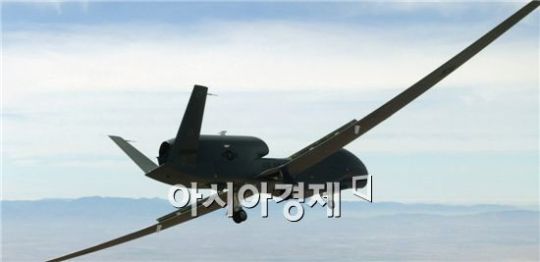
The military has stated that it can utilize high-altitude unmanned reconnaissance aircraft like the Global Hawk, along with various manned reconnaissance aircraft, to fill the gap left by the Heron and Songgolmae. It also explains that it is actively sharing reconnaissance information provided by the U.S. military while maintaining a solid U.S.-South Korea cooperation system. However, these alternatives have limitations in perfectly replacing the mission of small drones that stealthily monitor enemy movements at low altitudes. Large reconnaissance aircraft are expensive and have demanding operational conditions, making it difficult to flexibly respond to the constantly changing front-line situation.
A bigger problem is that the next-generation corps-level drone introduction project is not proceeding as intended within the military. Although the Army raised an urgent requirement last year, it was not accepted by the Joint Chiefs of Staff, leaving the introduction of new equipment indefinitely postponed. Introducing new drones requires going through rigorous testing and evaluation from scratch, which inevitably takes a long time. The Defense Acquisition Program Administration is looking for ways to simplify these procedures, but it is insufficient to fill the existing capability gap in the short term.
While the military claims to fill the gap with other reconnaissance assets and U.S. cooperation, the failure to rapidly introduce next-generation drones makes a fundamental solution difficult.
5. Overseas Drones Mentioned as Alternatives
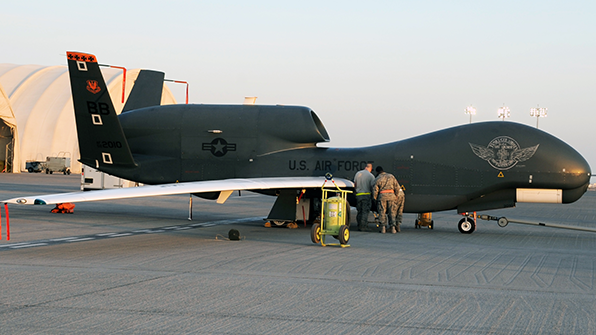
As the need for domestic introduction becomes urgent, excellent overseas drones are constantly being mentioned as alternatives. One representative model is the Gray Eagle unmanned attack aircraft manufactured by the U.S.-based General Atomics. U.S. Forces Korea has already deployed the upgraded Gray Eagle to units under the U.S.-South Korea Combined Corps, utilizing it in manned-unmanned teaming operations alongside Apache helicopters. This model is capable of long-duration flights and possesses the powerful ability to directly strike ground targets by carrying precision-guided weapons.
Another candidate mentioned is the Turkish Bayraktar unmanned combat aircraft, which is drawing attention in the defense market. These overseas drones have the significant advantage of having proven performance in actual combat and the ability to be operationalized immediately. However, deep consideration is needed regarding the substantial budget required for domestic introduction and how to resolve technical linkage issues with the domestic defense industry. Military authorities must keep all possibilities open to fill the security gap and prepare the most rational and rapid introduction plan.
The introduction of proven overseas drones, such as the U.S. Gray Eagle or Turkish unmanned aircraft, is emerging as an alternative to fill the capability gap.
6. Future Outlook and Establishing a Thorough Security Posture
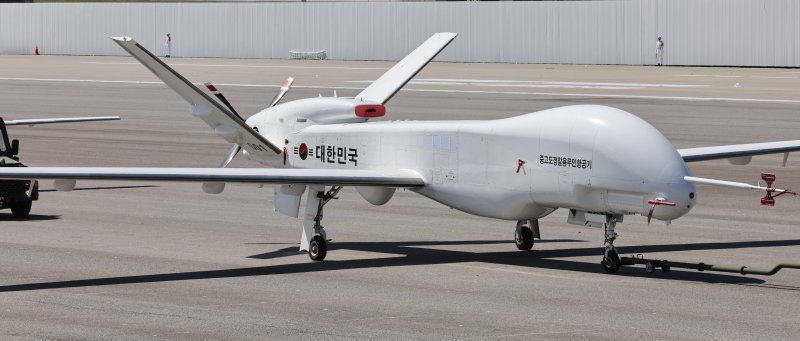
The drone gap crisis that has surfaced just before the Chuseok holiday has exposed the true state of our military’s defense procurement system. Flexible procedures must be established to quickly replace weapon systems when they become aged or are lost in accidents. Otherwise, security anxiety will inevitably repeat itself during important holidays and national events. Military authorities and relevant agencies should take this incident as a painful lesson and comprehensively review the capability enhancement process.
Ensuring that citizens can work with peace of mind and enjoy a comfortable holiday is the most basic duty of the state. The government and the military must minimize administrative delays to rapidly restore flawless North Korean surveillance and reconnaissance capabilities. We urgently call for thorough measures to ensure that the front lines are no longer blinded by accidents and aging equipment. It is time to closely watch how our military will rebuild its drone capabilities and establish a solid defense posture.
Taking this drone gap crisis as an opportunity, we must establish rapid weapon system introduction procedures and a thorough security posture.
Frequently Asked Questions
=