To achieve stable returns, it is essential to accurately understand the KOSPI 200 index and read the broader trends of the domestic stock market. With the market recently experiencing significant fluctuations, investors are facing deepening concerns. Rather than blindly buying individual stocks, it is crucial to grasp the overall direction of the index. In this article, we will carefully examine the recent trends of the index and the supply and demand dynamics in the derivatives market. We will also share specific methods for navigating volatile market conditions. Cultivate the eye to make wise investment decisions through index analysis.
=
A Complete Analysis of KOSPI 200 Index Trends and Investment Strategies
1. Recent Movements of the KOSPI 200 Index
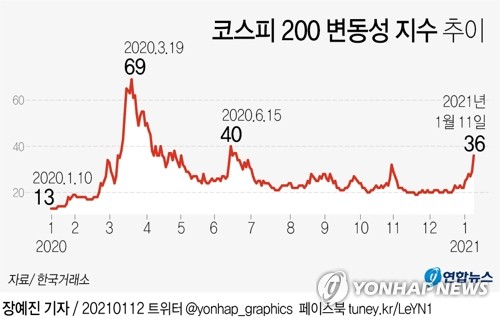
The recent stock market environment appears chaotic due to challenging external factors and internal volatility. Although the index has seen temporary rebounds, it is still navigating an unstable phase. In particular, the overall index tends to swing significantly in response to price fluctuations in large-cap stocks, which hold a substantial market capitalization weight. It is common to see people around you panic-selling their positions out of fear every time stock prices drop. However, during such times, it is essential to maintain an objective perspective based on data rather than being swayed by emotions. You must develop the habit of frequently checking where the index’s baseline is positioned. When the market shows a downward trend, defensive strategies to protect investment assets become paramount. Instead of relying solely on positive news for individual stocks, you should closely monitor the movements of indicators that represent the entire market. In fact, many seasoned investors first grasp the index’s trend before timing their trades. One must remember that chasing stocks that are spiking in isolation often leads to significant losses. Wisdom is needed to calmly observe the index’s direction and wait for the next opportunity.
Understanding the recent fluctuations of the KOSPI 200 index and reading the overall market direction is the first step toward successful investing.
2. Supply and Demand Analysis in the Derivatives Market

Unlike the cash market, the movements of foreign investors in the derivatives market can appear quite different. For instance, foreign investors who have been consistently net sellers in the stock market may record large net purchases in the futures market. They often exhibit a dual approach, selling a large amount of stocks while buying index futures. This is a form of risk-aversion strategy that prepares for short-term price declines while keeping the door open for medium- to long-term rebounds. Individual investors are prone to misinterpreting these complex supply and demand signals from foreign investors, leading to losses. By closely examining the derivatives positions of institutional investors and foreign entities, one can anticipate future market volatility. The sentiment of market participants can be read by observing whether the futures index is trading at a premium or a discount relative to the cash index. One must accurately understand the margin structure and contract values of index futures to prepare for shocks in the derivatives market. For example, since the initial margin required to maintain a single futures contract can reach tens of millions of won, rigorous capital management is essential. Supply and demand data should not be viewed as mere numbers but utilized as a tool to discern the market’s hidden intentions.
Analyzing foreign supply and demand in the derivatives market and index futures movements allows you to read the market’s hidden direction.
3. Market Phase Diagnosis and Automation Solutions
Recently, technologies that automatically diagnose whether the current market is in a bull or bear phase using index data have gained attention. AI-based investment solutions analyze index and sector-specific data to flexibly adjust asset allocations. When the market is on an upward trend, they increase the weight of products related to leading sectors to actively pursue returns. Conversely, when the market enters a downward trend, they expand the allocation to safe assets or bond-related products to minimize losses. This approach is highly useful for busy professionals who do not have the time to constantly monitor their stock trading windows. Many people I know have suffered significant losses by missing trading opportunities due to emotional decision-making. Human psychology is easily swayed by fear and greed, making it extremely difficult to respond according to principles. However, technological solutions execute asset allocation coldly according to predefined algorithms, thereby reducing psychological errors. A process of regularly reviewing and adjusting the portfolio in accordance with the market phase enhances investment stability. If managing your assets independently feels overwhelming, seeking the help of such technological assistants is a wise choice.
Market phase diagnosis utilizing AI and index data reduces emotional errors and protects assets.
4. Investment Tactics for Bear and Bull Markets
When the stock market shows sluggish trends, tactics involving inverse products or bond-type assets come into play. Products structured to generate returns from index declines serve as a shield for the portfolio in bear markets. However, caution is required as holding such products for the long term can increase the risk of principal loss due to the compounding effect. Conversely, if you are confident that the market will return to a bull market, you may consider alternatives like covered call products. This method allows you to receive stable monthly distributions while simultaneously pursuing capital gains from index appreciation. I often witness cases where people blindly invest in products that everyone else praises, only to face difficulties. You must carefully consider whether your investment style and the nature of your funds align with the characteristics of the product. Investing short-term funds in highly volatile derivative-linked products is akin to financial suicide. Always remember the truth that protecting your capital in a bear market is equivalent to generating returns. You must navigate the market’s waves with thorough analysis and your own criteria.
You must select appropriate products for the market’s rising or falling phases and practice rigorous capital management.
5. Risk Management and Precautions for Index Investing
When investing in financial products related to the index, one must always keep unexpected global economic variables in mind. If US Treasury yields spike or international oil prices become unstable, the domestic stock market inevitably shakes. Fluctuations in key overseas indicators, such as the Philadelphia Semiconductor Index, also directly impact domestic large-cap stocks and the index. Blindly investing all your assets in leveraged products based solely on news articles is a very dangerous gamble. In reality, I often hear sad news about people who lost their assets in an instant due to reckless investments. To safely protect the principal, diversification and strict stop-loss principles are paramount. It is not advisable to go all-in on a single asset; instead, you should buy in installments over time. When the index plunges, rather than panicking and selling unconditionally, you need the composure to check the overall health of your portfolio. You must accurately recognize your investment limits and manage funds only within a range you can afford to lose. Only those who thoroughly control risk can survive in the market for the long term.
You must thoroughly manage global interest rate variables and risks, and protect assets safely through diversification.
6. Final Recommendations for Successful Asset Management
So far, we have examined in detail the trends of the KOSPI 200 index, supply and demand in the derivatives market, and various response strategies. The stock market is always filled with volatility, and it is natural that it does not move according to our wishes. You must cultivate the ability to accurately read the index’s direction and respond flexibly to the market phase. A attitude of not neglecting study and collecting diverse investment information guarantees long-term success. Instead of rushing to seek a windfall, adopt the mindset of steadily growing your assets. I hope you will become a solid investor who remains unshaken amidst the market changes you will face in the future. The process of adapting to market trends and adhering to your own principles is never an easy path. However, through continuous learning and experience accumulation, your perspective on the market will inevitably broaden. Do not be swayed by the noise around you; calmly cultivate your portfolio according to your own criteria. Do not fear failure; use small experiences as fertilizer to build better investment strategies. I recommend actively applying the index analysis methods learned today to your real-world investments.
Continuous analysis of index trends and principled responses are the only way to survive in the fierce stock market.
Frequently Asked Questions
=