US President Donald Trump attempted to ease relations by emphasizing his personal rapport with Chinese President Xi Jinping, but Xi refrained from reciprocating, leaving a firm message about protecting China’s system. While the meeting appeared filled with lavish courtesy and hospitality on the surface, it clearly demonstrated that there has been no change in the fundamental disagreements and strategic competitive dynamics between the two nations. In particular, it was a fascinating detail that President Xi chose to wear attire symbolizing the authority of the Communist Party of China instead of his usual Western-style suit at the dinner. Foreign media and experts interpret this as an expression of resolute will: while willingly accepting the hospitality extended by the US, China will never alter its own identity and system. In this article, we will delve into the hidden stories behind the meeting of the two leaders. We will examine the core issues where both sides clashed, from trade negotiations to the Iran issue, and the underlying meanings behind them. We will explain these topics based on specific examples so that readers can enjoy reading about the subtle currents of international politics.
=
Why Xi Wore a Mao Suit at the US-China Summit: His Unyielding Stance Despite American Hospitality
1. Lavish Courtesy vs. Contrasting Attitudes

During this visit to the US, President Donald Trump displayed the highest level of rapport with President Xi Jinping, sparing no effort in extending the utmost courtesy. He personally went out to the airport runway to greet him and repeatedly emphasized that relations between the two countries are better than ever. However, President Xi adopted a stance of not responding in kind to these active US overtures and friendly expressions. According to media reports, President Trump has a clear tendency to believe that personal intimacy can change the flow and landscape of the massive relationship between the two nations. In contrast, President Xi utilized this meeting solely as a practical means to manage conflicts between the two countries and prevent unexpected shocks. This clearly proves that there was a significant gap in how the two leaders viewed each other and their expectations.
While President Trump displayed personal rapport and expected improved relations, President Xi viewed it merely as a practical tool for conflict management.
2. The Symbolic Message Behind the Mao Suit
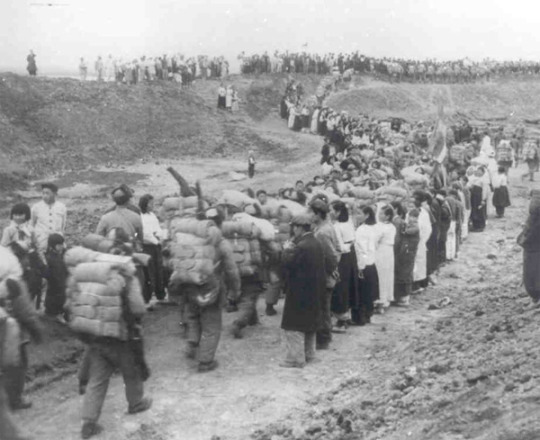
It became a major topic when President Xi Jinping appeared at the state dinner wearing a Mao suit, symbolizing the authority of the Communist Party, instead of the Western-style suit he usually favors. Political experts analyzed this unconventional attire as a silent warning that China will not change its system or identity in the slightest. This stands in stark contrast to when former leader Deng Xiaoping visited the US and wore a cowboy hat to actively demonstrate his will for reform and opening up to the Western world. While the hat at that time symbolized active integration and connection with the West, the Mao suit this time represents a defensive posture: willingly accepting US hospitality but never compromising on China’s fundamentals. It was a display of seasoned diplomatic skill, visually reinforcing internal unity and the leader’s authority even amidst the external spotlight and hospitality.
President Xi’s choice to wear a Mao suit was a symbolic message that while accepting US hospitality, China will never compromise on its system and identity.
3. Limited Outcomes of Trade Negotiations
The trade issues that actually made it to the negotiation table also concluded at a limited level without achieving a clear breakthrough as expected. The two countries agreed to continue consultations to alleviate some of the trade conflict and expand trade in non-sensitive areas, including agriculture. However, the fundamental economic disagreements and the massive strategic competitive structure surrounding the two nations remain intact even after this summit. Initially, it was expected that a large number of prominent Chinese business leaders would accompany the delegation, but not a single one appeared at the state dinner. The Chinese side had inquired about specific schedules and US counterparts for meetings with business leaders in advance but did not receive a clear answer, resulting in the cancellation of the visit plans. Consequently, opportunities for large-scale business contract announcements or vibrant exchanges between private enterprises were unfortunately lost.
While agreeing to alleviate some trade conflicts, no substantial large-scale economic achievements were made, as the accompanying business delegation fell through.
4. Diverging Stances on the Iran Issue
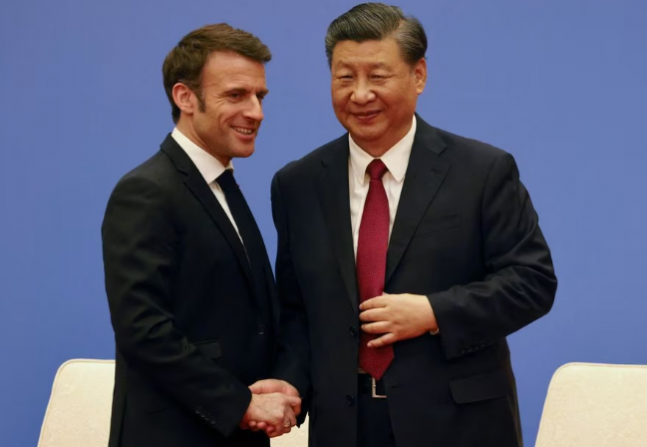
The difference in perspective shown by the two leaders on the Iran issue, one of the diplomatic agendas, was stark, leaving a tense atmosphere. President Trump strongly demanded that President Xi immediately cease direct and indirect support for Iran, which is currently in conflict and at war with the US. However, China paid no heed to this, maintaining its stance of continuing to purchase Iranian oil and adhering to its existing pragmatic economic line. Instead of succumbing to US pressure, President Xi repeatedly stated a principled position urging both the US and Iran to resume negotiations promptly. Although the dinner proceeded in a cordial atmosphere, the cold reality that no compromise could be found on issues involving core strategic interests was clearly reflected.
The US demanded a halt to support for Iran, but China maintained oil purchases, leaving the core disagreement between the two sides unresolved.
5. The Gap Between Diplomatic Protocol and Reality
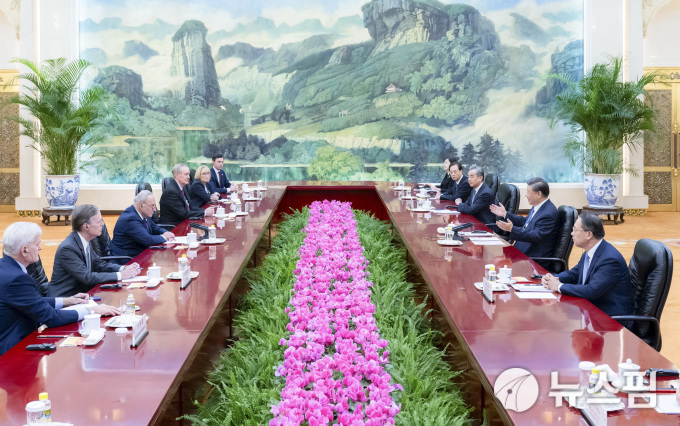
This US-China summit was packaged with unprecedented hospitality and lavish protocol on the surface, but in reality, it was a battlefield of cold, self-interested nationalism. The US tried to lure China into a US-centric framework through personal rapport and hospitality, but China focused solely on its own interests and protected its core sovereignty. This diplomatic tug-of-war serves as a preview of how difficult and intense the future of bilateral relations will be. It became clearer through this visit that while the two sides were smiling and shaking hands on the surface, they were pointing knives at each other under the table. Readers need the discernment to see through the substantive interests hidden behind the glamorous events when encountering international news.
Behind the lavish protocol and hospitality lay the fierce struggle for practical gains as both nations tried to extract concessions from each other.
6. Outlook and Implications for Future International Politics
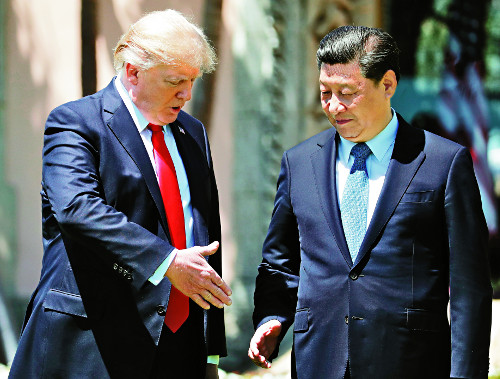
Based on the results of this US-China summit, the future international political landscape is highly likely to develop in a more complex and unpredictable direction. The US and China will maintain channels of dialogue for the time being to avoid full-scale confrontation, but the power struggle over core interests will continue. Domestic and international experts report that both countries will focus all their efforts on behind-the-scenes work to gain the upper hand in the hegemony competition while minimizing economic damage. Our companies and government must also closely monitor these subtle shifts in the currents between these major powers and prepare thorough contingency plans. It is time to consider survival strategies based on cold data and reality, rather than being misled by temporary gestures or cordial atmospheres. We hope readers will cultivate the wisdom to stay centered and respond flexibly in the midst of rapidly changing global economic trends.
While the two nations will continue dialogue to avoid conflict, the competition for hegemony and the struggle for practical gains are expected to become even more intense in the future.
Frequently Asked Questions
=