European stock markets have once again hit a wall of bond yields, widening their losses as they took their first steps into October. The pan-European STOXX 600 index fell by 0.50%, and the German DAX dropped by 0.79%, with major markets experiencing directionless sharp declines. This is because rising long-term interest rates in the US and Japan have driven European funds into safe assets, intensifying valuation pressures in the stock market. In particular, the preliminary September Consumer Price Index (CPI) for Germany came in at 3.3%, exceeding expectations and amplifying uncertainty regarding the timing of the European Central Bank’s (ECB) monetary policy shift. While many investors had been relying on the optimistic view that “inflation has peaked,” reality is imposing a heavier burden of interest rates than anticipated. In this article, we will not simply list closing figures but delve into the background of why this phenomenon is occurring and provide a concrete roadmap for how individual investors should allocate their assets during this turbulent period.
=
Causes of European Stock Market Decline and October Outlook: A Comprehensive Guide to Bond Yield Pressures and Response Strategies
1. Soaring Bond Yields Shake European Markets
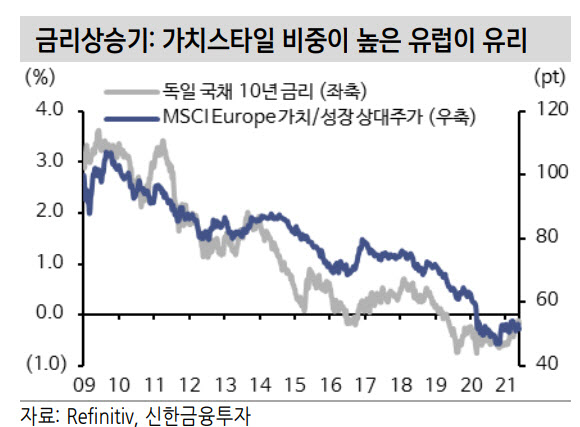
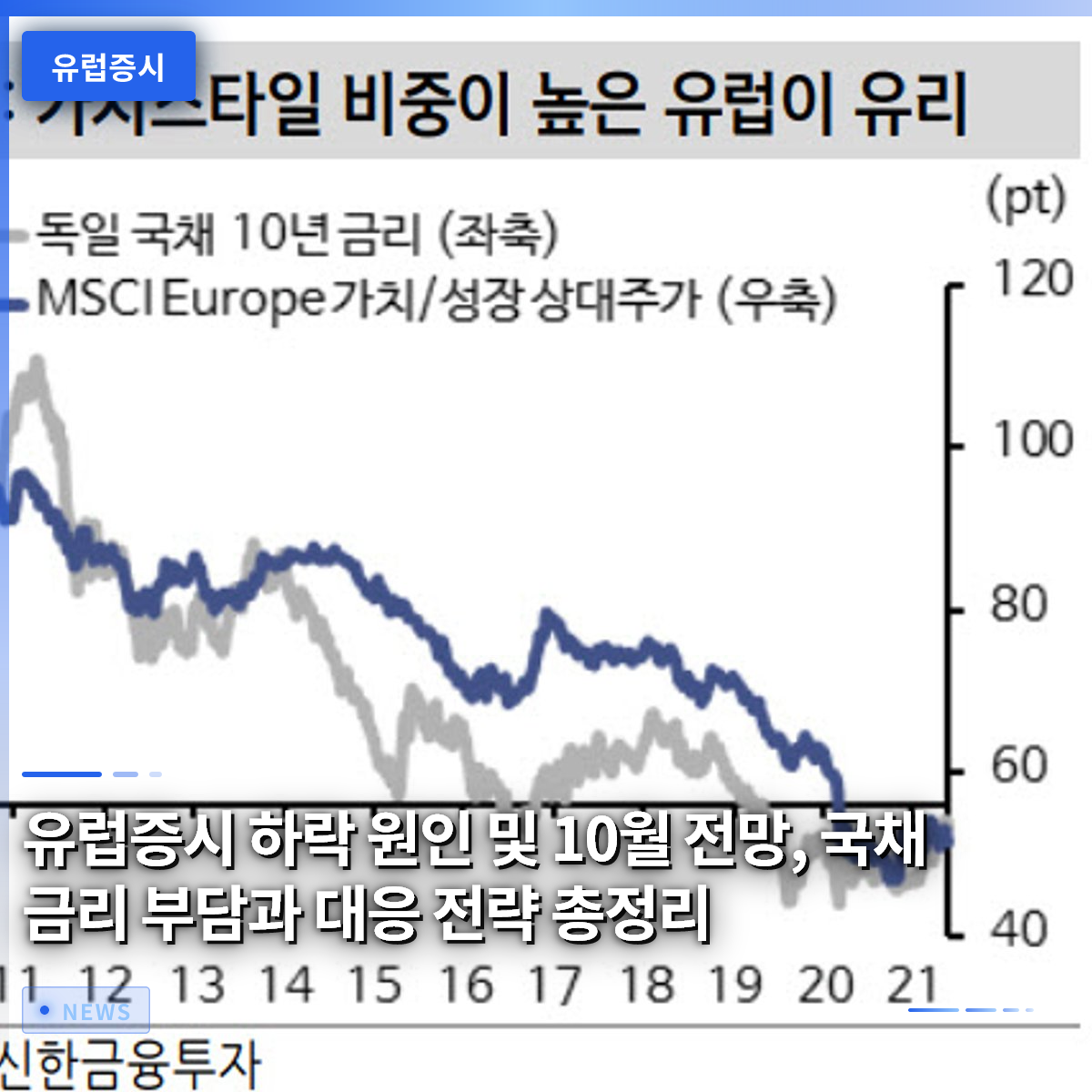
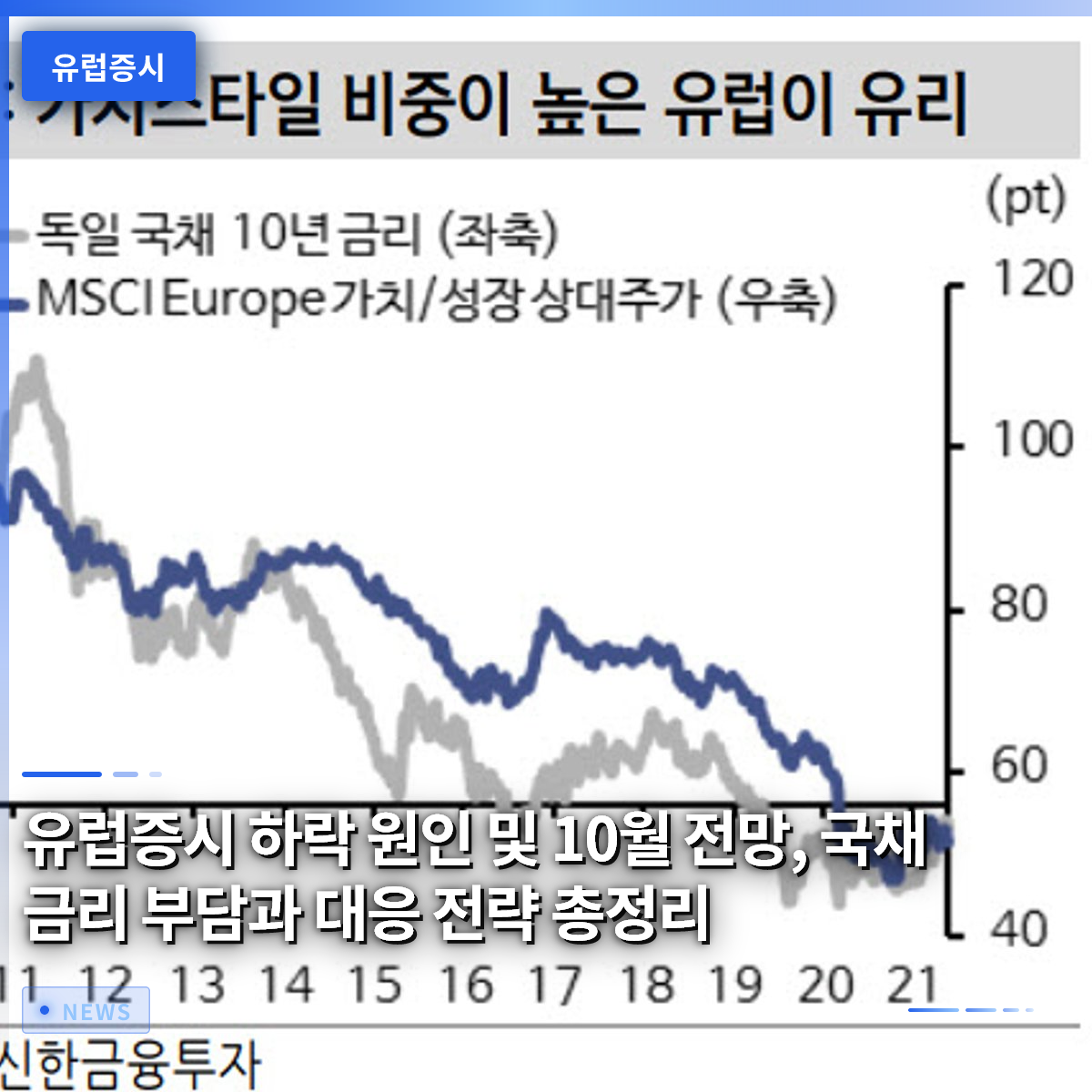
The reason European markets react so sensitively to rising bond yields is deeply connected to the structural characteristics of the European economy. Major European companies have relatively less developed practices of hedging interest rates through long-term derivatives compared to their US counterparts, leaving them directly exposed to the shock of rising real discount rates. The fact that European 10-year bond yields surpassed their previous highs this week indicates that investors are more concerned about the impact of current rate hikes than future growth. Much like a large ship rocking violently in rough seas, even institutional funds seeking stable returns are engaging in panicked selling. In particular, as bond issuance expands in major economies like Germany and France, periods where supply-side pressure overwhelms demand are recurring. This rise in interest rates suggests that the appeal of sectors sensitive to interest rate fluctuations, such as European banking and utility stocks, is rapidly diminishing. Ultimately, the immediate drop in stock prices should be interpreted not merely as a reduction in market capitalization, but as a re-evaluation of the value of future expected cash flows. This can be seen as a self-purification process that coldly strips away overheated parts of the market and marks the beginning of true price discovery.
European markets have weak defenses against rising long-term interest rates, which is leading to changes in the relative appeal of dividend and growth stocks. Bond yields are not just a macro indicator; they serve as the core denominator in determining stock valuations.
2. Concerns Over Entrenched Inflation Revealed by Germany’s 3.3% CPI

The preliminary September Consumer Price Index (CPI) released by the German Statistical Office came in at 3.3% year-on-year, causing significant market tension. Considering that the market consensus was 3.1%, this 0.2 percentage point overshoot suggests the possibility of chronic inflation rather than a simple statistical error. The European Central Bank has clearly stated that its price stability target is 2%, and inflation levels approaching the 3% range become a decisive variable that significantly slows the pace of interest rate cuts. For instance, given that rent and energy costs make up a large portion of Germany’s price index, rising core inflation can create a vicious cycle where consumer spending shrinks and corporate sales decline. This data indicates that for the ECB, the “speed of action” may become more important than the “speed of thought.” If inflationary pressures persist longer than expected, pressure for a stronger euro will continue, potentially weakening the competitiveness of Europe’s export-dependent manufacturing sector. This carries the risk of becoming the starting point for a structural decline in productivity, rather than a simple business cycle, so we cannot let our guard down.
Germany’s preliminary CPI exceeded expectations, raising concerns about entrenched inflation, which has become the strongest obstacle constraining the ECB’s monetary policy stance.
3. Analyzing Declines in Major Indices and Sectoral Diversification Effects
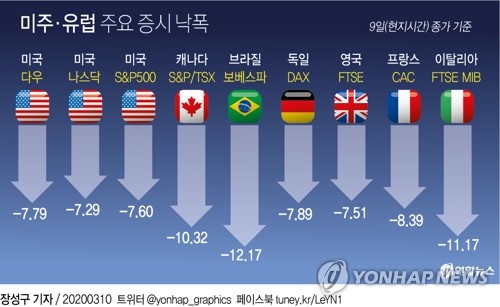
It is easy to miss the subtle temperature changes in the market if one only looks at index numbers at the close, so it is necessary to carefully examine sector-by-sector trends. The pan-European Euro Stoxx 50 index closed down 0.81% at 6,269.02, while the German DAX fell 0.79% to 25,199.19. Even the relatively defensive UK FTSE 100 dropped by 0.29%, showing that it was not immune to the decline. However, looking at sectors, large energy companies and port logistics firms, which are favored by derivatives traders, managed to hold up relatively well. Conversely, the automotive sector and consumer discretionary goods saw concentrated selling pressure due to concerns over a European economic slowdown and exchange rate volatility, with some stocks experiencing double-digit declines. This indicates that funds are not completely fleeing risk assets but are moving to “defensive assets” that are less affected by the economic cycle. It is similar to people flocking to concrete buildings rather than bamboo groves to find shelter on a rainy day. This sector rotation should be interpreted as an urgent signal requiring asset reallocation within the portfolio, rather than an unconditional sell-off.
While the overall index decline is significant, the yield gap between sectors is becoming clear, and a shift in funds toward defensive assets has been observed.
4. Analysis of Correlation and Spillover Effects with US and Japanese Markets
European markets cannot move in isolation; their movements are closely intertwined with trends in the Americas and Asian markets like Japan. The New York stock market also showed mixed results due to long-term interest rate burdens despite slowing inflation, with the Nasdaq index fluctuating up and down. Interestingly, while the Japanese Nikkei 225 index surged 1.94% led by gains in semiconductors and banking stocks, Europe declined. This means that capital is being selectively flowing into markets where the burden of rising interest rates is relatively mild or where the follow-on effects of technological innovation are significant. The Korean KOSPI index also needs to closely watch the trading direction of foreign investors in this phase of differentiation between the Americas and Asian markets. If the ECB solidifies a more hawkish interest rate stance, the dollar may strengthen against the euro, potentially causing global liquidity to restructure toward dollar assets. This can indirectly affect other currencies, potentially offsetting factors that strengthen the won. Ultimately, the ability to read the waves of global liquidity now requires a multi-faceted perspective that goes beyond single-market analysis.
In periods of differentiation among global markets, capital is selectively moving to markets with lower interest rate burdens or solid fundamentals.
5. ECB Policy Stance and Interest Rate Derivative Trends
Verbal interventions by central bank governors and interest rate futures prices in the market are reflections of expectations rather than actual policy. Recently, ECB officials have continued to emphasize confirming whether inflation has settled rather than rushing to cut rates. This implies that the market is facing the removal of a steep tightening period rather than the rapid liquidity easing it had hoped for. In the interest rate futures market, the probability of a rate cut in the next quarter has dropped sharply to around 30 percentage points. This sudden shift in policy expectations is a process of removing overvaluation in the bond market, but it brings the fate of increased volatility to the stock market. If the ECB sends a stronger hawkish signal than expected, credit tightening within the Eurozone could begin with non-bank financial institutions. Much like a lack of engine oil in a car damaging small parts first, stress may appear from the outer edges of the financial system. Therefore, it is wiser to spend time filling the valuation gap caused by interest rate fluctuations rather than focusing on essential asset prices.
The ECB’s strengthened tightening stance is accompanied by falling bond prices and increased stock market volatility, marking a moment when a stress test of the entire financial system is necessary.
6. October Outlook and Practical Response Strategies for Individual Investors
October is traditionally a month of high volatility and the start of discussions on new fiscal years and budgets. For the time being, it seems effective to maintain a slightly higher cash ratio and attempt split purchases of high-quality, low-volatility dividend stocks. Do not pour all your money in at once; instead, establish a ladder-style buying strategy prepared for a further 5% drop in the index. For example, a “rule of thirds” allocation—keeping 30% of the portfolio in cash equivalents, 30% in bond index funds, and the remaining 40% in selected stocks—might be worth trying. Rather than staring at the screen every second driven by emotion, mechanically adhering to pre-determined buy and sell rules reduces psychological stress. In the long term, one must believe that stock prices will find a bottom during the process of interest rate normalization. Tonight, try reviewing historical data on how European markets moved during the early stages of past recessions. By facing the past rather than avoiding it, you can naturally prepare for the bright second half of October.
In periods of increased volatility, a mechanical and cold approach, such as securing a cash ratio and using split purchase strategies, is the best way to prevent psychological losses.
Frequently Asked Questions
=