
When comparing medical expense insurance, you should not simply chase the lowest monthly premium; instead, you must carefully evaluate your insurance generation and the actual scope of coverage. It is common to see people who, after being hit with a renewal shock, cancel their existing contracts in frustration, only to shed tears later due to the burden of hospital bills. Older-generation products have the advantage of lower out-of-pocket costs and broader coverage, so switching plans unconditionally is not recommended. On the other hand, the latest products help prevent unnecessary leakage of non-covered expenses, aiding in maintaining reasonable premiums over the long term. In this article, we will specifically examine the characteristics of medical expense insurance by generation and how to make the most advantageous choice for you. Wise insurance management is ultimately the most reliable way to reduce fixed monthly costs while preparing for sudden illnesses.
=
Essential Guide to Comparing Medical Expense Insurance: Reducing Premiums and Choosing the Right Plan

1. Characteristics and Pros/Cons of 1st and 2nd Generation Medical Expense Insurance
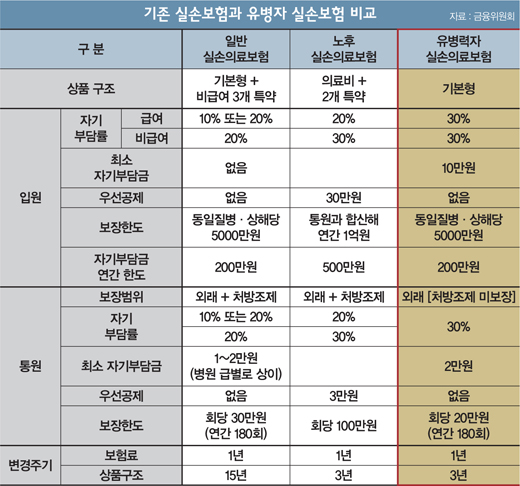
1st and 2nd generation medical expense insurance policies purchased in the past have little to no out-of-pocket costs, making them highly advantageous for those who frequently visit hospitals. For example, if you frequently visit local clinics for colds or regularly receive physical therapy, the amount you pay out of pocket is low, allowing you to feel the substantial benefits. However, these older products have seen rising loss ratios, leading to steep premium increases at each annual renewal, which can place a significant burden on household finances. In fact, it is common for middle-aged and senior households approaching retirement to struggle with soaring monthly premiums and wonder whether they should maintain their contracts. Therefore, rather than canceling solely because premiums are high, you should first assess your current health status and frequency of hospital visits. Finding a wise balance between the security provided by past coverage and the economic weight of monthly payments is paramount. To decide whether to keep your old contract or switch to a new product, it is best to review your payment records from the past few years. If you have rarely visited the hospital in recent years and assess the risk of major illness to be low, the high premiums may feel like a waste. Conversely, if you have chronic conditions or require regular treatment, the broader coverage of older products will be far more beneficial, even if premiums rise. Instead of blindly deciding to cancel based solely on insurance agents’ advice, you need to compare objective figures with your own medical usage habits. Insurance is a valuable asset that cannot be reinstated once canceled, so decisions should be based on your actual experience rather than outside recommendations.
1st and 2nd generation medical expense insurance offers low out-of-pocket costs, benefiting frequent hospital users, but may carry a heavy premium burden upon renewal.
2. Structure and Changed Coverage of Latest Medical Expense Insurance

Recently sold medical expense insurance products focus on strictly separating covered and non-covered treatments to prevent moral hazard and keep premiums reasonably low. The biggest difference compared to past products is that the out-of-pocket percentage borne by the insured has increased, and management of non-covered items has become stricter. For instance, if you frequently use manual therapy or non-covered injections, you previously received generous coverage, but in the latest products, usage may be limited or your out-of-pocket costs may increase. These changes are institutional mechanisms designed to reduce unnecessary medical shopping and ensure benefits are fairly distributed to the majority of policyholders who genuinely need treatment. Therefore, if you are a healthy young person who rarely visits the hospital, opting for the latest products with lower premiums is far more economical. However, since the scope of coverage has narrowed, there is a downside where out-of-pocket expenses may increase more than expected if you require intensive non-covered treatments. Consequently, there are many cases where people cancel existing contracts and switch to the latest products solely because they are cheaper, only to face difficulties. It is essential to carefully compare out-of-pocket conditions and coverage limits for each insurance company through insurance comparison sites or public disclosure documents. In particular, you need to develop the habit of checking in advance how treatments you frequently receive or diseases in your family history are handled under the latest products. You must accurately understand the content of the changed system before enrolling to prevent unnecessary friction or disappointment when claiming hospital bills later.
The latest medical expense insurance separates covered and non-covered treatments and adjusts out-of-pocket costs to prevent unnecessary medical expense leakage and lower premiums.
3. Utilizing Insurance Comparison Sites and Correct Inquiry Methods

With a little internet searching, you can compare medical expense insurance premiums from various non-life insurance companies at a glance through diverse insurance comparison sites and public disclosure platforms. By calculating the expected premiums for each insurance company based on a standard 40-year-old male, you can easily confirm that there are slight differences between companies. At this point, it is risky to enroll solely based on the cheapest ranking; you should also review each company’s loss ratio and financial soundness. Since insurance is a long-term contract requiring payments for decades rather than a short-term product, the company’s stability is also a crucial selection criterion. Additionally, rates vary by age, gender, and occupation, so you must enter your accurate information to get a quote. When using comparison sites, be careful to avoid platforms that demand excessive personal information or force unnecessary riders. You need the wisdom to choose a reliable platform that objectively shows only the coverage details and expected premiums of the medical expense insurance itself. After comparing quotes from multiple sources, your eye for finding the optimal combination that fits your budget will naturally develop. It is also a good method to check if you can receive additional discount benefits by bundling inquiries with insurance for other family members. You should proceed with enrollment only after going through a meticulous comparison process to prevent regretting the monthly premiums deducted later.
When using insurance comparison sites, you must check not only rankings but also company stability and accurate quotes tailored to you.
4. Tips for Choosing Tailored Medical Expense Insurance for Parents and Those with Pre-existing Conditions
When looking into medical expense insurance for elderly parents, you should consider senior medical expense insurance or insurance for those with pre-existing conditions instead of general products. For the elderly, it is very common to be rejected during underwriting due to age limits for general products or past medical history. Insurance for those with pre-existing conditions has the advantage of significantly simplifying the duty of disclosure before enrollment, allowing people taking medication for high blood pressure or diabetes to enroll easily. However, compared to general products, out-of-pocket costs may be slightly higher and premiums more expensive, so you must carefully compare underwriting criteria from multiple insurance companies. Since the maximum enrollment age varies from 75 to 80 years old depending on the company, you must find one that matches your parents’ age. It is often seen that people enroll their parents in insurance for pre-existing conditions unconditionally because they frequently visit the hospital, only to be disappointed by coverage limitations. Before enrolling, children and parents should discuss together what conditions the parents are currently being treated for and what coverage is most needed in the future. It is safest to create and review a comparison table of the conditions each insurance company offers for common age-related diseases like high blood pressure or arthritis. If you try to broaden coverage excessively and exceed your monthly payment capacity, long-term maintenance becomes impossible, leading to even greater losses. Considering your parents’ financial situation and health status comprehensively to build the most practical coverage is both a filial duty and wise financial management.
For parents’ medical expense insurance, you should compare the enrollment age and underwriting criteria of insurance for pre-existing conditions and seniors rather than general products.
5. Checklist You Must Verify Before Canceling
Before canceling your existing medical expense insurance and switching to a new product, you must directly check several core items. First, verify how well the coverage scope of your current contract aligns with your future medical expense structure. Second, calculate the renewal cycle of the existing contract and the expected magnitude of future premium increases to gauge long-term maintainability. Third, check in advance if there is a risk of rejection when enrolling in a new product due to major illnesses or surgery history within the last five years. Fourth, confirm whether useful riders, such as family daily life liability insurance, are included in the existing contract and will disappear upon cancellation. There is a scary situation where, after canceling an old insurance policy in frustration, you attempt to enroll in a new one but are rejected due to past medical history, leaving you uninsured. In reality, many people overlook these safety measures due to complaints about slight premium increases and end up regretting it. It is essential to read your policy number and the terms from the time of enrollment with your own eyes, rather than being swayed by insurance agents’ sweet talk. If there are parts you do not understand, it is not too late to contact the insurance company directly for accurate guidance before making a decision. A careful review of the checklist is the only shield that protects our valuable assets from unexpected medical expense bombs.
Before canceling existing medical expense insurance, you must definitely check the coverage scope, past medical history, and inclusion of useful riders.
6. Final Recommendations for Wise Medical Expense Insurance Management
Medical expense insurance is not a consumable item where you simply pay costs; it serves as the most basic safety net protecting our family’s health and finances. Rather than blindly following what others say is good, you need the wisdom to adjust according to your age, health status, and economic income level. Even as medical technology advances and related systems change in the future, the essence of medical expense insurance—alleviating the burden of medical costs—will remain unchanged. Regularly reviewing your insurance policy, organizing unnecessary riders, and maintaining essential coverage is the beginning of a healthy financial life. I sincerely hope you will not be swayed by rumors, establish your own clear criteria, and manage your insurance wisely. You must always pay attention to prepare for upcoming renewal periods or system changes and develop the habit of using objective public disclosure materials from experts. Small attention and comparisons gather to dramatically reduce fixed monthly costs and create a sturdy support for your retirement, bringing magical results. Based on the content examined in this article, take time to calmly check the status of your currently enrolled medical expense insurance. You will surely find a better alternative, and it will be a beneficial opportunity to prevent unnecessary expenses. The wisest consumer who protects both health and wallet is you yourself, who carefully calculates and decides directly.
Medical expense insurance is a safety net that must be consistently managed according to your situation, and regular checks are most important.
Frequently Asked Questions
=