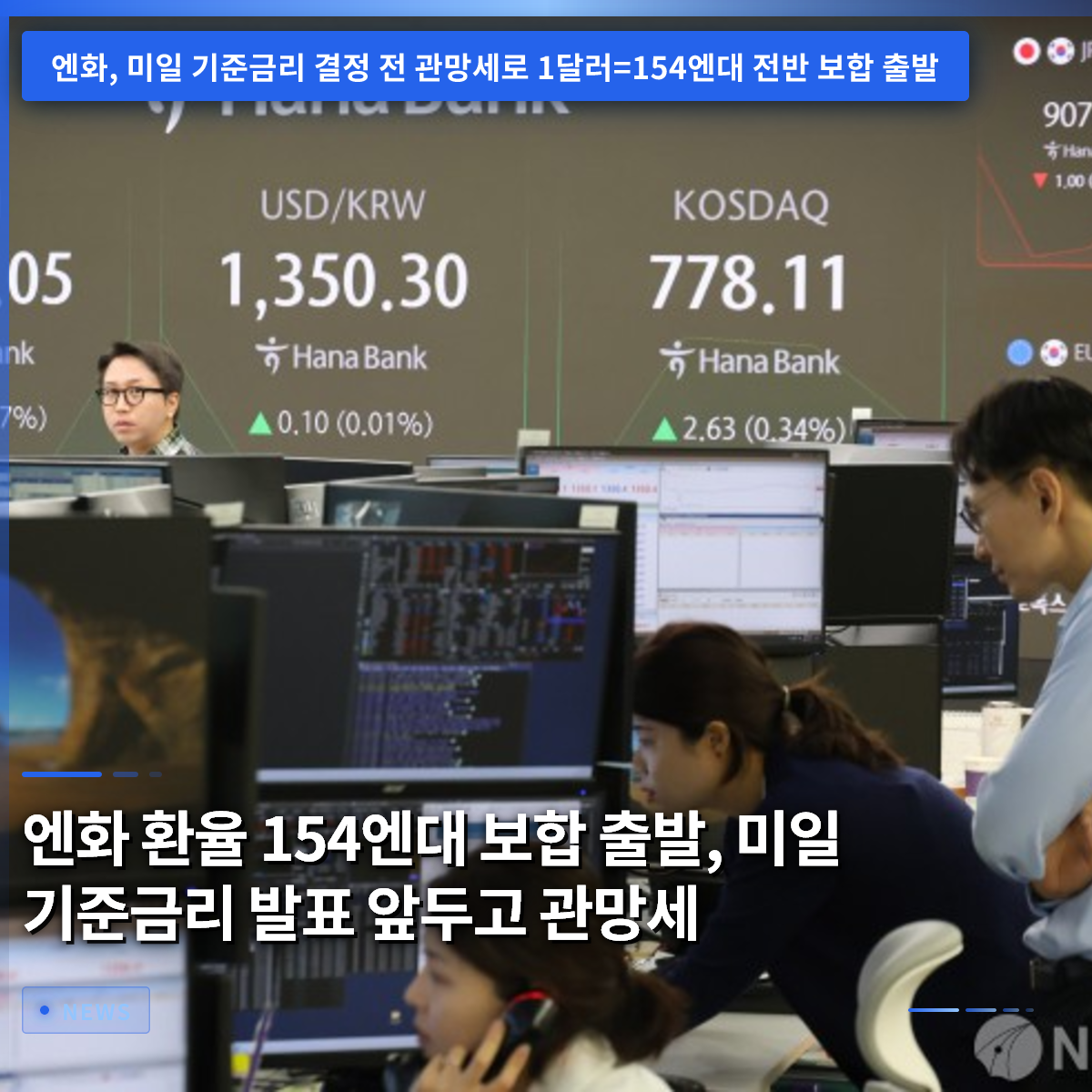
On the 15th, the yen exchange rate in the Seoul foreign exchange market opened flat in the low 154 yen range per dollar, as a wait-and-see mood prevailed ahead of monetary policy decisions by the US Federal Reserve and the Bank of Japan. The primary factors driving this caution were soaring US bond yields and a spike in international oil prices due to deteriorating tensions in the Middle East, which heightened inflation concerns. Market participants are holding their breath to see what decisions the central banks of both nations will make. In particular, concerns over exchange rate volatility are deepening, given the Japanese economy’s heavy reliance on energy imports. Rather than rushing to buy or sell, investors are focusing on monitoring upcoming economic indicators and policy directions. In this article, we will take a detailed look at the foreign exchange market conditions and the yen’s movements ahead of the US and Japan interest rate decisions.
=
Yen Holds Steady in the 154 Yen Range as Markets Await US and Japan Interest Rate Decisions
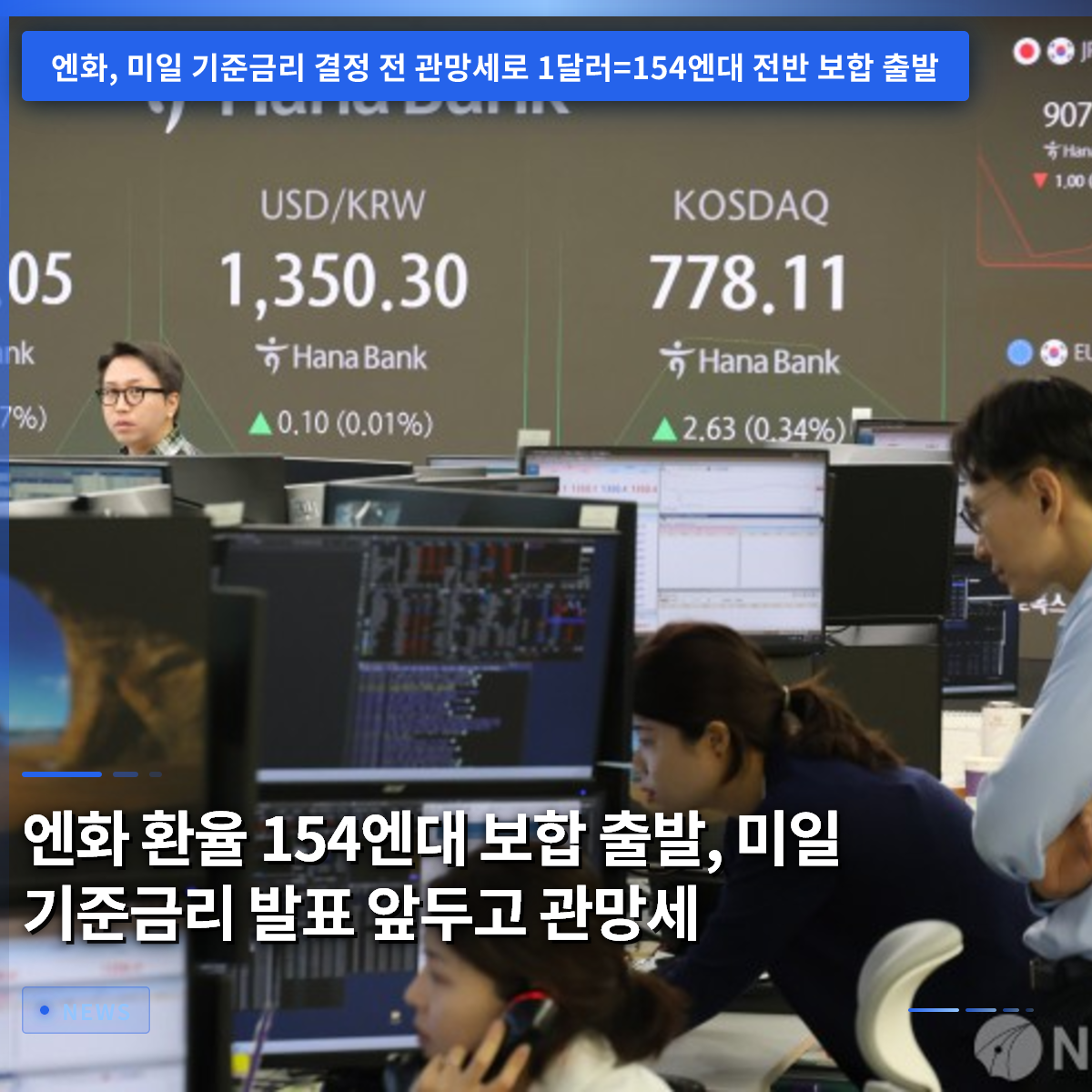
1. The Forex Market Ahead of US and Japan Monetary Policy
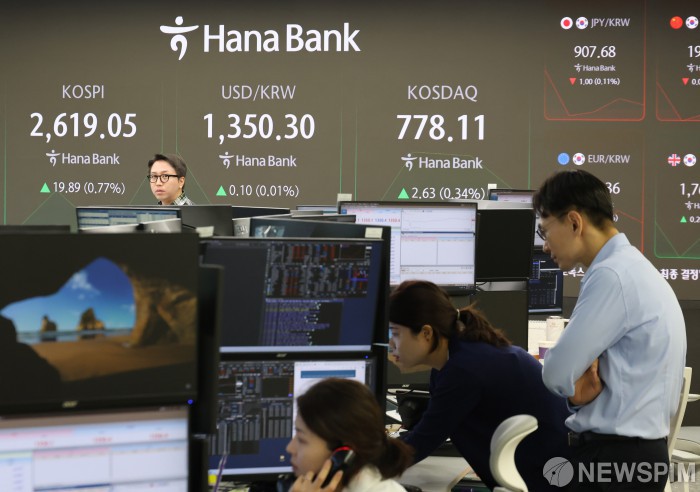
With the monetary policy meetings of the US Federal Reserve and the Bank of Japan just around the corner, the entire foreign exchange market has entered a pause. Investors are refraining from betting, believing that exchange rates could fluctuate significantly depending on the announcements from the central banks of both countries. Indeed, in the Tokyo forex market, the yen opened trading at levels similar to the previous day’s closing price, reflecting a cautious stance. The Sydney forex market also showed a similar pattern, opening without significant volatility as it followed the trends from overseas markets. This wait-and-see attitude persists due to the remaining uncertainty regarding the magnitude and pace of interest rate hikes by both nations. Financial experts predict that this cautious, watchful posture will continue for some time until the central banks issue their official statements. The market is poised to react sensitively to even minor news until the interest rate announcements are made.
A strong wait-and-see mood has formed in the forex market ahead of the US and Japan interest rate decisions.
2. Rising US Bond Yields and Surging Oil Prices
In the US bond market, 10-year Treasury yields have reached high levels not seen in years, putting the market on edge. As the Middle East conflict shows signs of prolonging, concerns over oil supply disruptions have grown, causing international oil prices to spike sharply. Military tensions in the Middle East have escalated, leading to negative developments such as the suspension of operations at major pipelines in oil-producing countries. Since rising oil prices increase global inflationary pressure, expectations that the US central bank will raise interest rates further have gained momentum. Indeed, the market is pricing in a high probability of an interest rate hike at the upcoming meeting. This trend acts as a factor stimulating risk-averse sentiment, driving capital toward the US dollar. Rising oil prices and inflationary pressures pose the greatest burden on the policy decisions of central banks worldwide.
Surging oil prices due to Middle East instability and rising US bond yields are impacting exchange rates.
3. Complex Pressures on the Japanese Yen
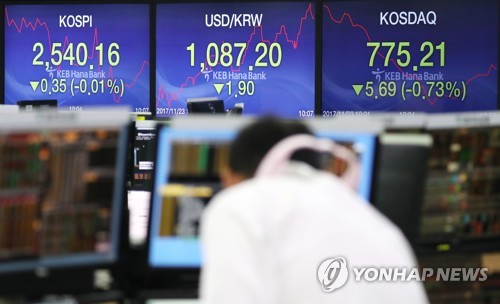
For Japan, which relies heavily on imports for most of its energy resources, rising international oil prices deal a significant blow to the overall economy. Higher oil prices tend to worsen the trade balance, which naturally acts as a factor weakening the value of the yen. In the New York forex market, these concerns were reflected as the yen faced downward pressure, with buying of the safe-haven US dollar dominating. As oil-producing facilities, including those in Saudi Arabia, face attacks, capital is shifting to the US dollar, a reserve currency. Japanese corporations and investors are also closely monitoring the situation, worried about increased import costs due to exchange rate fluctuations. As the external economic environment shifts in a direction unfavorable to the yen, concerns about defending the exchange rate are deepening. Concerns over trade deficits are often cited as a chronic weakness of the Japanese economy.
Japan, an energy-importing nation, is facing pressure for a weaker yen due to surging oil prices and concerns over a worsening trade balance.
4. Outlook for Bank of Japan Rate Hikes and Defensive Capabilities
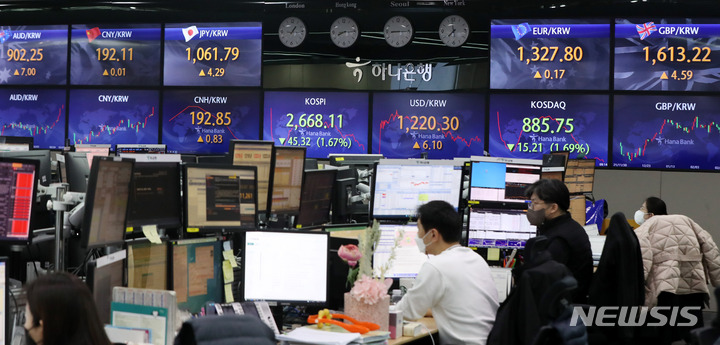
However, the prevailing view is that the Bank of Japan is not simply standing by. There are predictions that the Bank of Japan will raise its policy interest rate further at its upcoming monetary policy meeting. In fact, expectations have formed that the interest rate gap between the US and Japan will not widen further, as Japanese authorities are showing an aggressive stance on rate hikes. Consequently, movements such as a one-sided surge in the exchange rate or massive selling of the yen have been limited. Signals that the interest rate differential between the two countries may narrow serve as a buffer preventing a sharp decline in the value of the yen. Market participants are closely watching what remarks the Governor of the Bank of Japan will make at the press conference. The central bank’s proactive policy intent acts as a pillar preventing a sudden collapse in the forex market.
Expectations of a Bank of Japan rate hike are preventing the US-Japan interest rate gap from widening, thereby defending the yen from a sharp fall.
5. Relative Movements of the Euro and Major Currencies
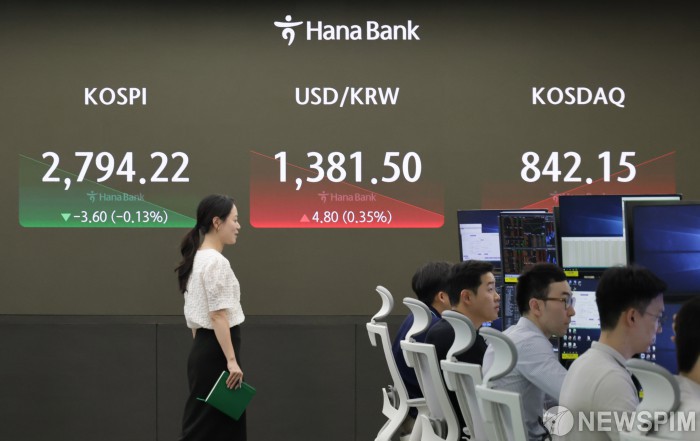
In the Tokyo forex market, the yen also recorded weakness against the euro, showing a slight downward trend. The euro also appeared to lag behind the US dollar, reflecting a general atmosphere of dollar strength. In the global forex market, currencies from various countries showed divergent movements depending on the direction of US monetary policy and their own domestic economic indicators. With the economic situation in the Eurozone and Middle East risks intertwining, both the euro and the yen struggled to gain strength against the US dollar. As exchange rate volatility increases, companies are on alert regarding their import/export settlements and fund management strategies. Forex dealers are keeping a close eye on their monitoring screens, as currency values can change in an instant. The global forex market moves like a single giant organism, with components tightly interconnected.
The yen also showed a downward trend against the euro, and the global forex market exhibited a dollar-centric flow.
6. Future Outlook and Response Strategies

The outcome of this US and Japan interest rate decision will be the most important milestone determining the direction of global financial markets for the next few months. Experts advise that both corporations and investors need to take a conservative approach, as exchange rates could spike significantly immediately after the central bank announcements. In particular, import/export companies exposed to exchange rate fluctuations must actively use hedging products to manage risk. Individual investors should also refrain from speculative trading aimed at indiscriminate exchange rate gains and instead adopt a posture of calmly analyzing market trends. Changes in the Middle East situation and oil price trends are also variables that could shake exchange rates at any time, requiring continuous attention. The higher the uncertainty, the more wisdom is needed in diversifying asset allocation and securing safe assets. Thorough preparation and cool-headed analysis are the only ways to protect assets in a rapidly changing financial market.
Thorough risk management and a conservative approach are needed to prepare for volatility following the US and Japan interest rate announcements.
Frequently Asked Questions
=