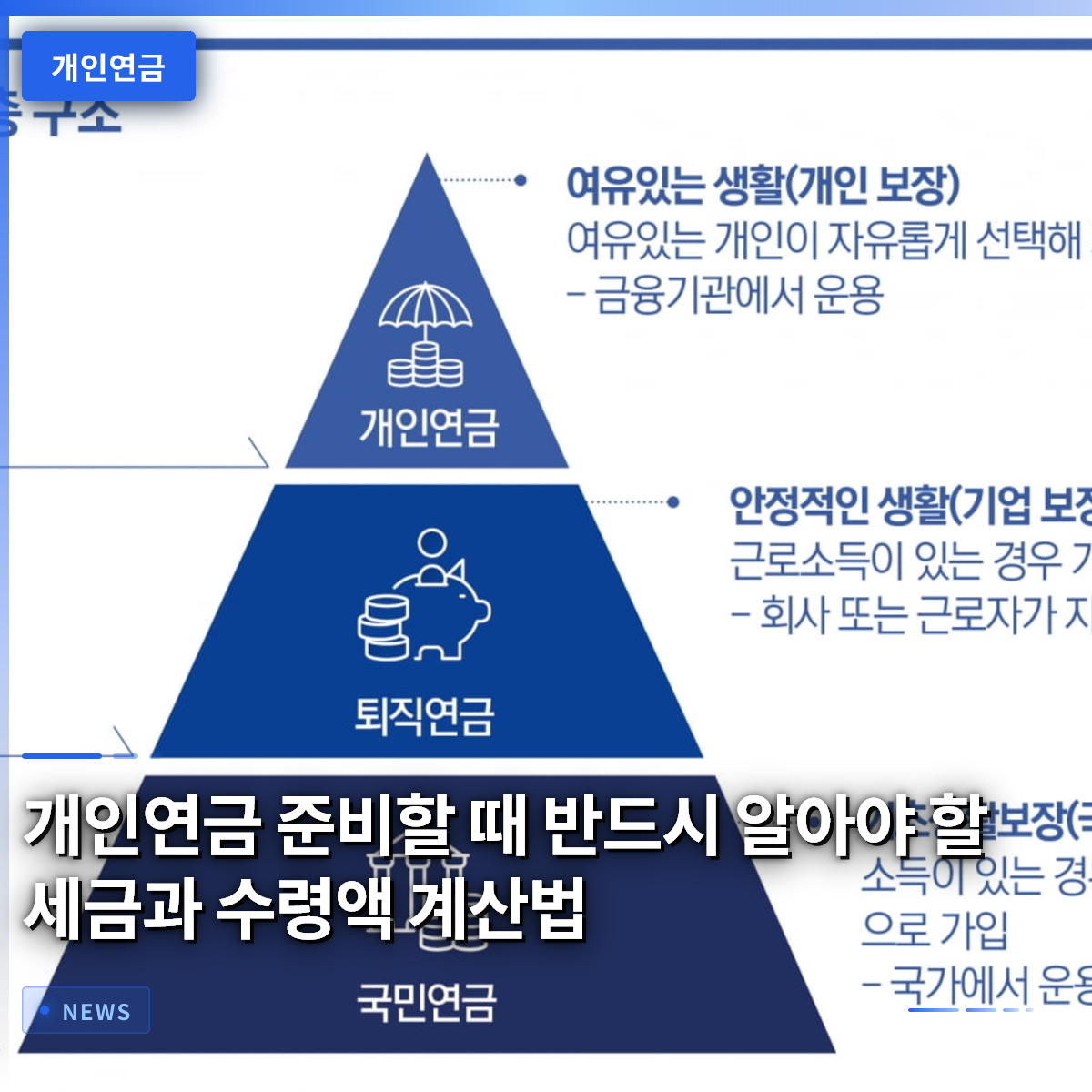
Personal pensions are an essential tool for preparing for retirement, enabling both employees and self-employed individuals to create a stable cash flow after they leave the workforce. With rapid aging of the population, more people are striving to build independent lives based on their own assets rather than relying on their spouse’s income. However, when it comes to actually preparing a pension, many feel overwhelmed by questions about tax burdens and how personal pensions differ from the National Pension in terms of management. While you may frequently hear about products like pension savings funds or pension savings insurance from those around you, it is not easy to determine which is most advantageous for your specific situation. By utilizing convenient lookup tools like Naver Pay, you can easily check your expected total benefits by combining public and private pensions in one place. In this article, we will clearly explain specific tips for smartly accumulating personal pension assets and avoiding unexpected tax burdens.
=
Essential Tax Rules and Payout Calculations for Personal Pension Planning
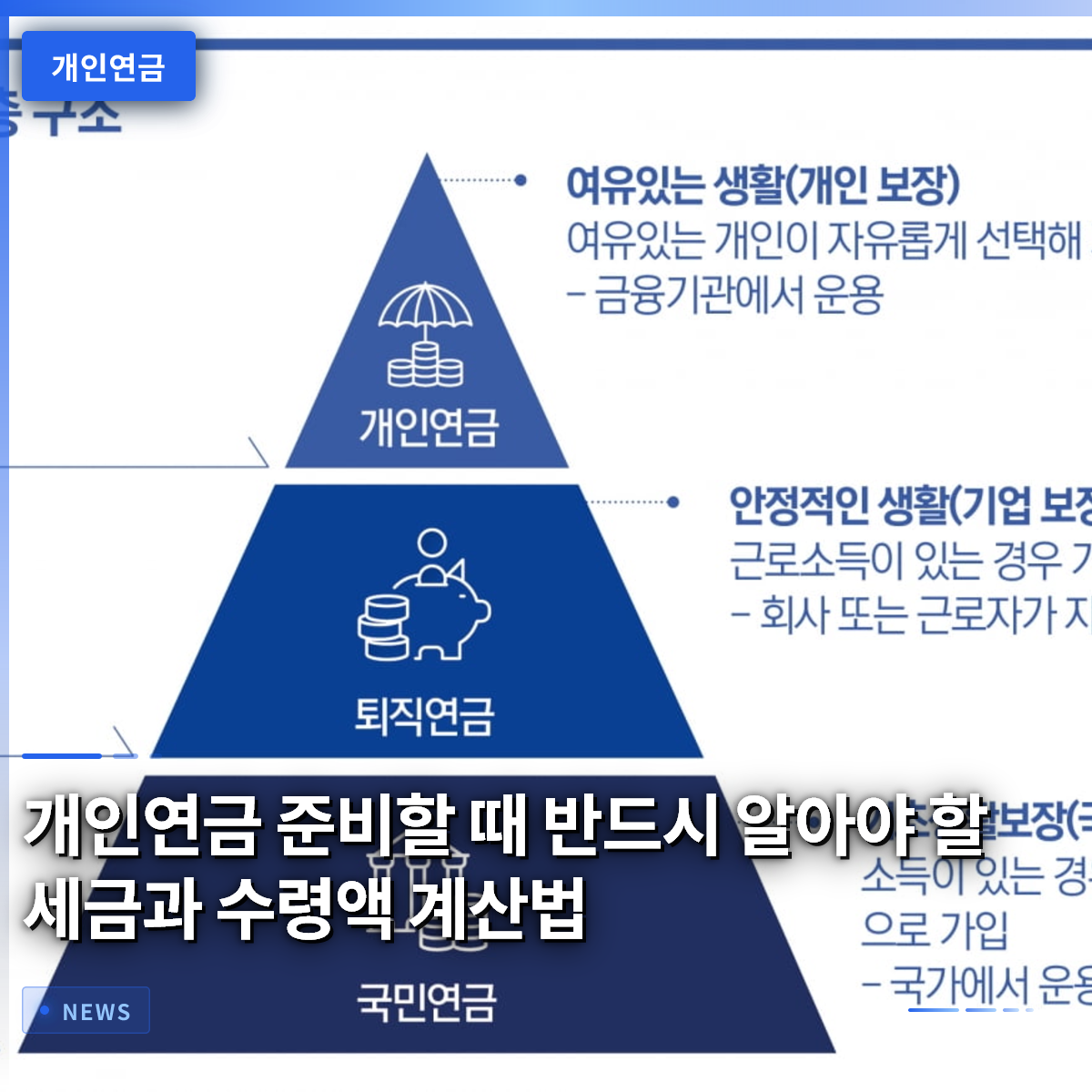
1. Differences Between the National Pension and Personal Pensions
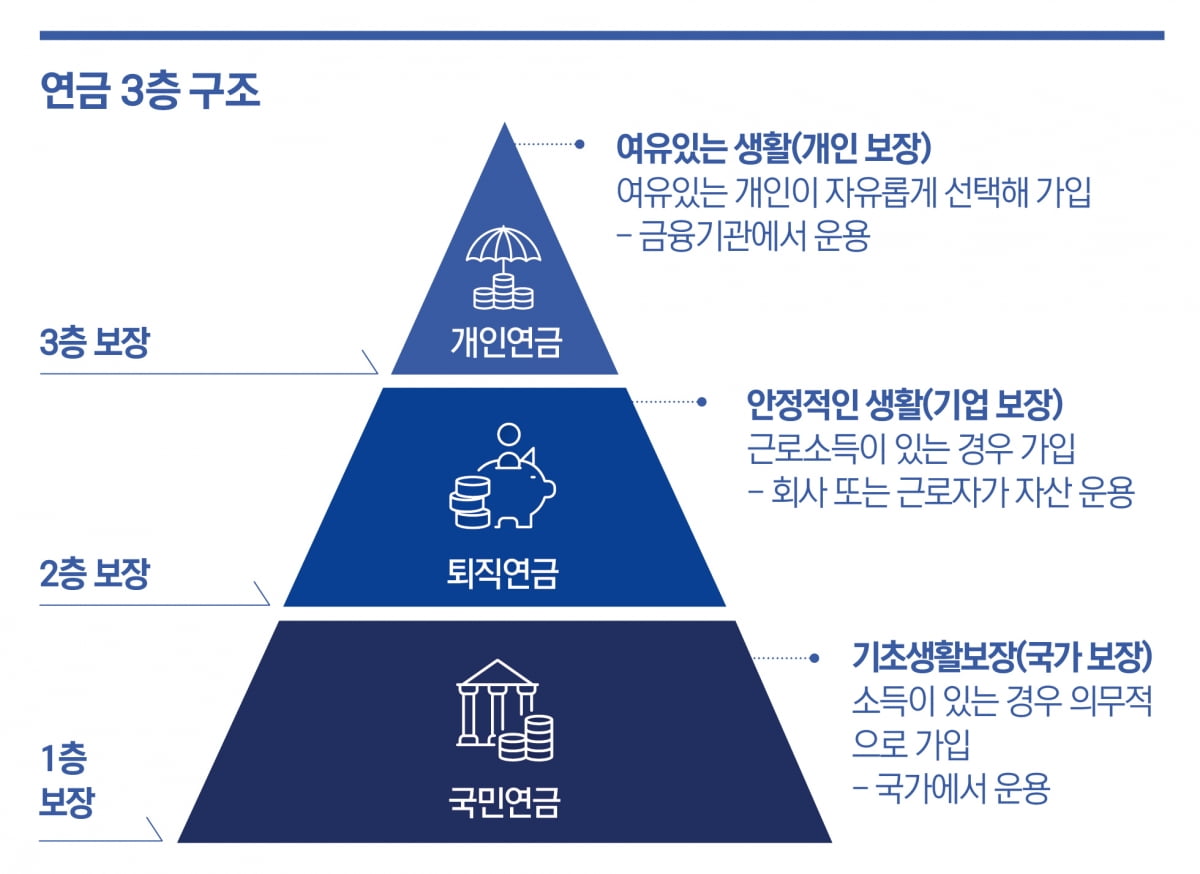
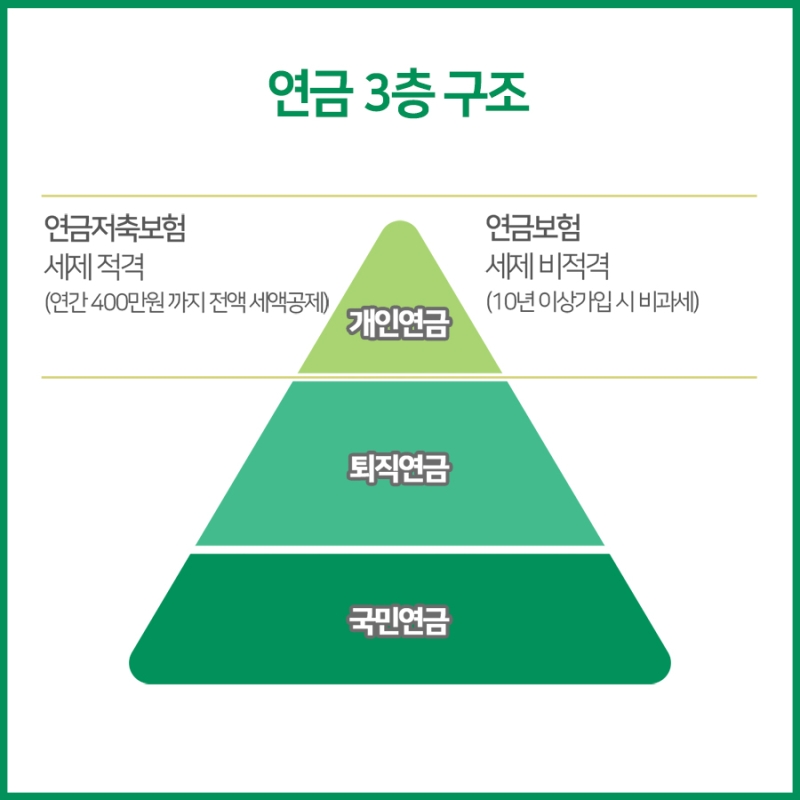
When starting to prepare for retirement, the first major concern is how to harmoniously balance the public National Pension with private personal pensions. The National Pension has the strong advantage of reflecting inflation rates and providing lifetime benefits, but if your contribution period is short, the actual amount received may be less than expected. Statistics show that the average contribution period for new elderly pension recipients is shorter than anticipated, leading many to consider additional contribution systems to cover gaps caused by education, childcare, or career breaks. In contrast, personal pensions are structured so that you receive benefits in retirement based on the money you have consistently saved during your working years, meaning the outcome depends entirely on your individual savings efforts and investment performance. Pension savings, which are commonly subscribed to by employees, offer the dual benefit of tax deductions during year-end tax settlement if certain conditions are met. Therefore, since the National Pension alone is often insufficient to cover comfortable retirement living expenses, it is essential to supplement the shortfall with personal pensions. When preparing additional personal pensions, it is crucial to realistically calculate how much of your monthly income remains after deducting living expenses. For example, if a worker in their 50s tries to set pension contributions using their surplus funds after children’s education and housing costs, they may face significant difficulties if they have not pre-calculated for periods when income might be interrupted. Many people also struggle with whether to prioritize voluntary National Pension contributions or personal pensions; to avoid regret, you should carefully compare the tax deduction benefits and flexibility of each option.
To fill the gap in National Pension contribution periods and secure a robust retirement income, additional savings through personal pensions and the utilization of tax deductions are essential.
2. Criteria for Avoiding a Personal Pension Tax Bomb
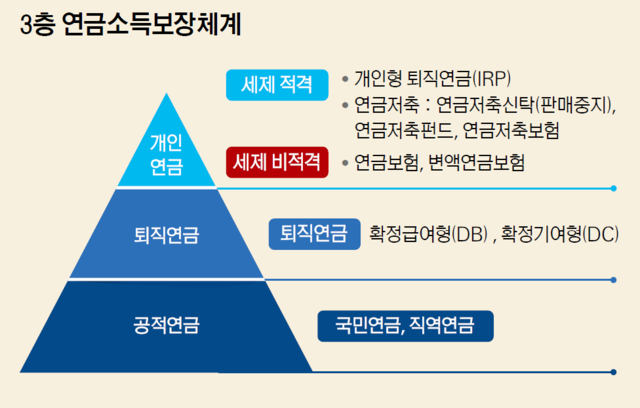
When starting to receive your hard-earned personal pension after retirement, the biggest fear is often the burden of taxes and health insurance premiums. There is widespread concern in the field about potentially facing a “tax bomb” if annual private pension income exceeds a certain threshold. In reality, if your annual private pension receipt exceeds 15 million KRW, you must determine whether it is more advantageous to choose separate taxation at a 15% rate or to combine it with other comprehensive income for comprehensive taxation. Cases occur where individuals receive unexpected tax notices because they did not understand the tax calculation structure. Many people also enroll in local financial management academies to study the correlation between taxes and health insurance premiums before retirement. Since higher pension receipts can lead to the loss of dependent status when transitioning to regional health insurance contributors, a strategy to distribute the timing and amount of receipts is very wise. By adjusting the monthly pension amount to lower the tax bracket, you can significantly reduce unnecessary expenses.
When annual private pension receipts exceed 15 million KRW, you must choose the more advantageous method between separate and comprehensive taxation to prevent a tax bomb.
3. Easily Checking Expected Payouts with Naver Pay
Getting a clear picture of how much your current pension preparations will yield in retirement is the starting point of retirement planning. In the past, checking pension balances was a tedious task requiring individual logins and public certificate entries for each financial institution. However, recently, integrated financial platforms like Naver Pay allow you to link and check not only the National Pension but also various personal pensions all at once. Upon checking, I was impressed by how kindly it calculates not just the current accumulated amount but also the expected monthly payout after age 65. Utilizing such convenient features allows you to visually confirm in real-time how much you are falling short of your retirement goal. It naturally motivates you to save on coffee or unnecessary dining out and set up automatic transfers to pension savings funds. It is important to develop the habit of visually checking your future cash flow by using simulation features in financial apps to gradually increase contribution amounts.
Using integrated financial platforms like Naver Pay allows you to easily check the expected payouts of both public and personal pensions at a glance.
4. Realistic Pension Savings Strategies for Employees in Their 50s
Employees in their 50s, who are approaching times when large expenses are required, such as their children entering university, often find themselves deeply torn between pension contributions and living expenses. For example, if a person with stable income suddenly takes a leave of absence or changes jobs, the interruption of regular income makes it difficult to keep the pension account funded. In fact, if emergency funds and fixed expenses are not calculated in advance, it can lead to the regrettable situation of terminating a well-maintained personal pension account midway. Terminating the pension midway not only requires returning the tax deductions previously received but also completely wipes out the compound interest effect. Therefore, during periods where income changes are expected, flexibility is needed to temporarily reduce contributions or use contribution suspension systems rather than stubbornly sticking to high contribution amounts. However, completely stopping savings would make life after retirement too harsh, so it is wise to maintain a minimum sustainable level. You should consult with financial experts to objectively assess your asset status and reorganize unnecessary insurance or stock assets into pension funds.
When income fluctuations occur after age 50, it is essential to assess your asset status and maintain your pension account flexibly rather than forcing excessive contributions.
5. The Role of Pensions in the Independent Lives of the Elderly
The image of the elderly living confidently on their own, without relying entirely on a spouse’s income or children’s support, has become a new social norm. In fact, with the sharp increase in single-person households and divorced individuals over 60, more people are choosing to manage their retirement independently with their own assets and pensions rather than remarrying. This change signifies that individuals have broader choices, but it also means they must bear all economic responsibilities themselves. Without a solid personal pension prepared from a young age, an independent life remains a distant dream, and one will suffer from constant economic insecurity. To enjoy hobbies and spend leisure time with friends after retirement, a stable pension deposited into your account every month is the best support. You should not rely solely on the National Pension provided by the state; having an additional personal pension line ensures you can travel with peace of mind and cover medical expenses. Remember that the most reliable weapon for protecting yourself is the pension assets consistently accumulated from your younger years.
To maintain an independent and stable life in old age, a personal pension consistently prepared from a young age serves as the strongest support.
6. Practical Steps for a Successful Retirement
Personal pensions are not completed overnight; they are a long-term race that bears fruit only through consistent interest and small actions over a long period. We recommend that you immediately turn on your smartphone, check the pension products you are enrolled in, and critically evaluate whether the expected payout is sufficient for your retirement living expenses. A successful retirement is built by carefully securing tax benefits, choosing the optimal product for your income level, and practicing additional contributions whenever possible. Since the financial environment and tax laws may continue to change, do not forget to stay diligent in paying attention to related news and information. Remember that a prosperous life in the future begins with the small financial decisions you make today. Let us check our pension accounts now and confidently take the first step toward a secure retirement.
You should start taking practical steps toward a successful retirement by immediately checking your pension account and reviewing tax benefits and contribution amounts.
Frequently Asked Questions
=