
To enjoy a stable retirement, it is essential to prepare thoroughly for pension insurance from a young age. As we enter the era of living to be 100, filling the income gap after retirement has become a paramount task. In the past, many people believed that simply working diligently in their youth would naturally secure their retirement. However, as retirement approaches, many are caught off guard by the realization that they have not saved enough. When examining disposable income after taxes and social insurance contributions, the level of welfare and retirement preparedness in each country is starkly revealed. In our country, the Gini coefficient of disposable income, which reflects public pensions and various support systems, shows significant fluctuations compared to market income standards. In this reality, private pension insurance has established itself not as an option, but as an essential financial product for survival. This article will meticulously cover the types of pension insurance, specific payout methods, and important points to keep in mind.
=
A Complete Guide to Pension Insurance Enrollment Conditions and Payout Methods for a Stable Retirement

1. Basic Concepts and Necessity of Pension Insurance

In our youth, the National Pension premiums deducted regularly from our paychecks can feel like a waste of money, similar to taxes. Public pensions, which are mandatory upon entering the workforce, are often overlooked as we focus on immediate life demands. However, as retirement approaches and we see peers becoming beneficiaries one by one, our perspective changes completely. Wives often truly grasp the reality of retirement when they see their husbands, for the first time receiving their National Pension, curiously exploring mobile banking. It is a moment of realizing how valuable the diligent contributions made in one’s youth truly are.
Since public pensions alone are difficult to use to fully defend against inflation, enrolling in personal pension insurance is essential. Life after retirement is longer than expected, and fixed monthly expenses for living and medical costs can become a burden. It is a bittersweet reality to see wives making half-joking, sharp comments toward their husbands who constantly talk about pensions. The longer we live in good health, the more funds we need, so private pension insurance must be prepared in advance. If we do not start saving steadily now, we risk becoming a burden to our children or facing a impoverished retirement.
Enrolling in private pension insurance is not an option but a necessity to fill the retirement fund gap left by public pensions.
2. Differences Between Lifetime and Fixed-Term Pensions
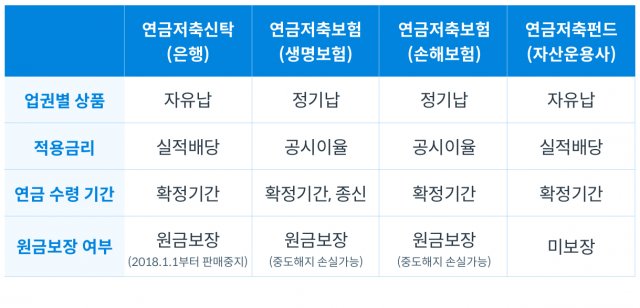
The first major consideration when receiving retirement funds is choosing between lifetime and fixed-term pensions. Lifetime pensions allow the subscriber to receive payments monthly for the rest of their life, making them more advantageous for those who live longer. In contrast, 10-year or 20-year fixed-term pensions provide concentrated payments for a set period and then end. In today’s era, where medical advancements have made living to 100 common, the popularity of lifetime pensions is rising daily. Since it is impossible to predict how long one will live, having lifetime coverage provides significant psychological peace of mind.
In reality, there is a clear trend preferring a steady, long-term flow of income over a short, high-yield payout. Fixed-term pensions are primarily used for specific goals, such as children’s education or purchasing a home, where a lump sum is needed in a short period. However, relying solely on fixed-term pensions is difficult for supporting life after retirement, as it cannot prevent the risk of outliving one’s funds. Therefore, experts advise designing a lifetime pension to cover basic living expenses and supplementing it with other methods. When choosing a payout method, one must comprehensively consider their health status, expected lifespan, and asset distribution.
Lifetime pensions, which are advantageous for longevity, and fixed-term pensions should be selected according to one’s individual retirement strategy.
3. Voluntary Enrollment and Additional Payment Systems for the National Pension
People without separate income, such as full-time housewives, actively utilize the voluntary enrollment system to receive pensions in their retirement. Even if not subject to mandatory enrollment, individuals can voluntarily enroll to secure their right to receive National Pension benefits. Voluntary enrollment premiums are capped at the median standard monthly income of all subscribers, allowing individuals to choose an amount within the lower limit. While monthly payments may feel burdensome, considering the pension to be received later, it is a worthwhile financial investment.
If there were gaps in past contributions, the additional payment system can be used to extend the enrollment period. Paying for periods where contributions were missed due to career breaks in a lump sum increases the pension payout amount. When a couple prepares for retirement together, it is much more secure if both are beneficiaries rather than just one. Many families have husbands who are already beneficiaries while wives are still diligently contributing to prepare for the future. When both spouses receive pensions, it serves as the strongest shield against financial collapse after retirement.
Full-time housewives without income can become confident pension beneficiaries through voluntary enrollment and additional payment systems.
4. Loss of Health Insurance Dependent Status and Pension Income
Receiving a large pension in retirement is a joy, but one must be careful to avoid a sudden spike in health insurance premiums. In the past, dependents under employed children did not pay premiums, but due to stricter income standards, many are losing this status. If pension income, including the National Pension, exceeds a certain threshold, one is immediately converted to a regional subscriber and must bear the insurance premiums. For example, the moment annual income exceeds the standard, the monthly health insurance premiums can make one feel like they are actually losing money.
To avoid this situation, retirees develop strategies to carefully adjust the timing and amount of their pension payouts. It is not enough to simply receive the maximum amount; a payout design that comprehensively considers taxes and health insurance premiums is necessary. When filing taxes, income from private pension insurance, such as interest or dividends, is aggregated with public pension income, so careful calculation is required. One might dream of a wealthy retirement only to sigh at the monthly tax and insurance bills. Therefore, it is wise to consult with experts about tax-exempt benefits and payout distribution strategies when enrolling in financial products.
Increased pension income can lead to the loss of health insurance dependent status, making comprehensive tax calculation essential.
5. Various Pension Products and the Truth About Refund Rates
The market is flooded with various products, such as dollar-denominated pension insurance and savings insurance, boasting principal protection and returns. One must carefully examine how refund rates change from year 1 to year 10 before enrolling to avoid regret later. The ability to enjoy compound interest and tax-exempt benefits when bank deposit rates are low is a powerful weapon of pension insurance. However, one must remember that surrendering the contract midway results in a surrender value significantly lower than the principal, leading to substantial losses.
It is easy to find sighing reviews online from people who enrolled based solely on insurance agents’ words and then surrendered the policy a few years later. Pension insurance is a long-term product designed with decades in mind, so it should only be started if one is confident they will not break the contract midway. Products that pay pensions in dollars are exposed to exchange rate volatility, so a cautious approach from an asset allocation perspective is recommended. Rather than being seduced by sweet refund rate advertisements, setting a realistic amount that can be consistently paid from monthly income is the key to success.
Since pension insurance is a long-term product, one must be mindful of losses from mid-term surrender and carefully compare refund rates and tax-exempt benefits.
6. Mindset for a Successful Retirement
Retirement preparation becomes too late the moment it is postponed, so immediate action is required. For us living in the era of 100-year lifespans, pension insurance is more than just savings; it is a sturdy fence that protects the dignity of our retirement. No matter how robust government welfare policies and public pension systems are, ultimately, the pension I have contributed to is what protects my life. Let us start reducing expenses and reviewing our pensions now so that couples can sit together and talk about life after retirement with smiles.
As aging intensifies in the future, an era will dawn where individual retirement preparation determines the economic survival of households. It is most important to have a clear financial plan and practice it consistently, rather than being swayed by trends. Please check your four major insurance enrollment records today and fill in any gaps in your pension insurance coverage. You, who have worked diligently for a lifetime, fully deserve to enjoy a wonderful life of soaring after retirement. The small savings habit you start now will complete your future abundant and leisurely daily life.
A successful retirement in the 100-year era is achieved through thorough preparation and consistent pension management.
Frequently Asked Questions
=