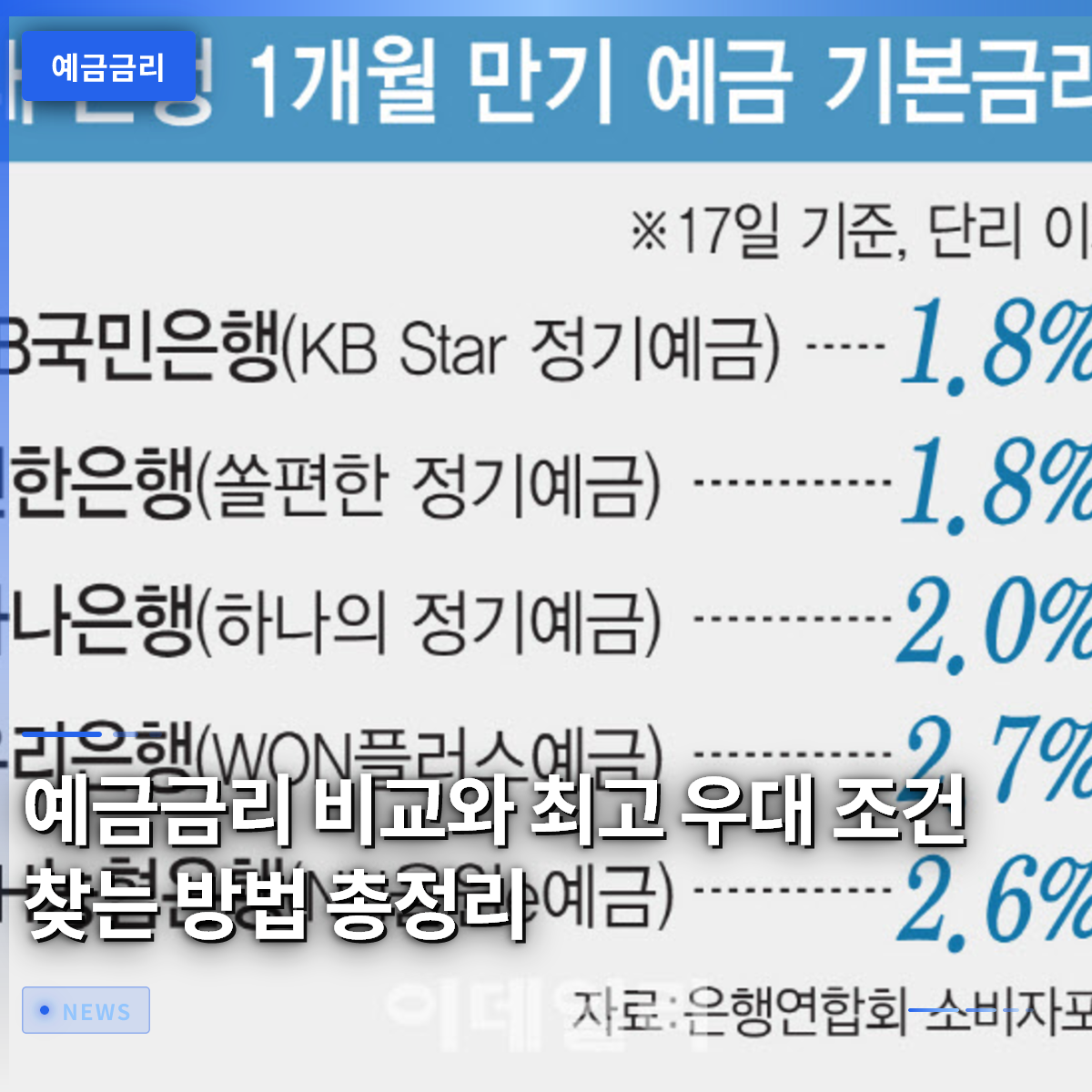
To manage a lump sum of funds safely and maximize interest income, it is essential to meticulously compare current deposit interest rates across different banks and accurately understand the preferential conditions. Recently, as interest rates at commercial and savings banks have been on an upward trend, many people are increasingly concerned about where to place their surplus funds. Rather than blindly signing up for deposit products, it is wise to choose appropriate products that align with your specific funding needs and timeline. Even if a friend recommends a product, you may fail to receive the expected interest if you do not meet the specific preferential conditions or detailed eligibility requirements. In this article, we will analyze various market interest rate trends and explore the most prudent methods for growing your lump sum. We have compiled all the essential information needed to protect your finances amidst the complex structure of financial products.
=
A Complete Guide to Comparing Deposit Interest Rates and Finding the Best Preferential Conditions
1. Strategies for Managing Chuseok Bonuses and Surplus Funds

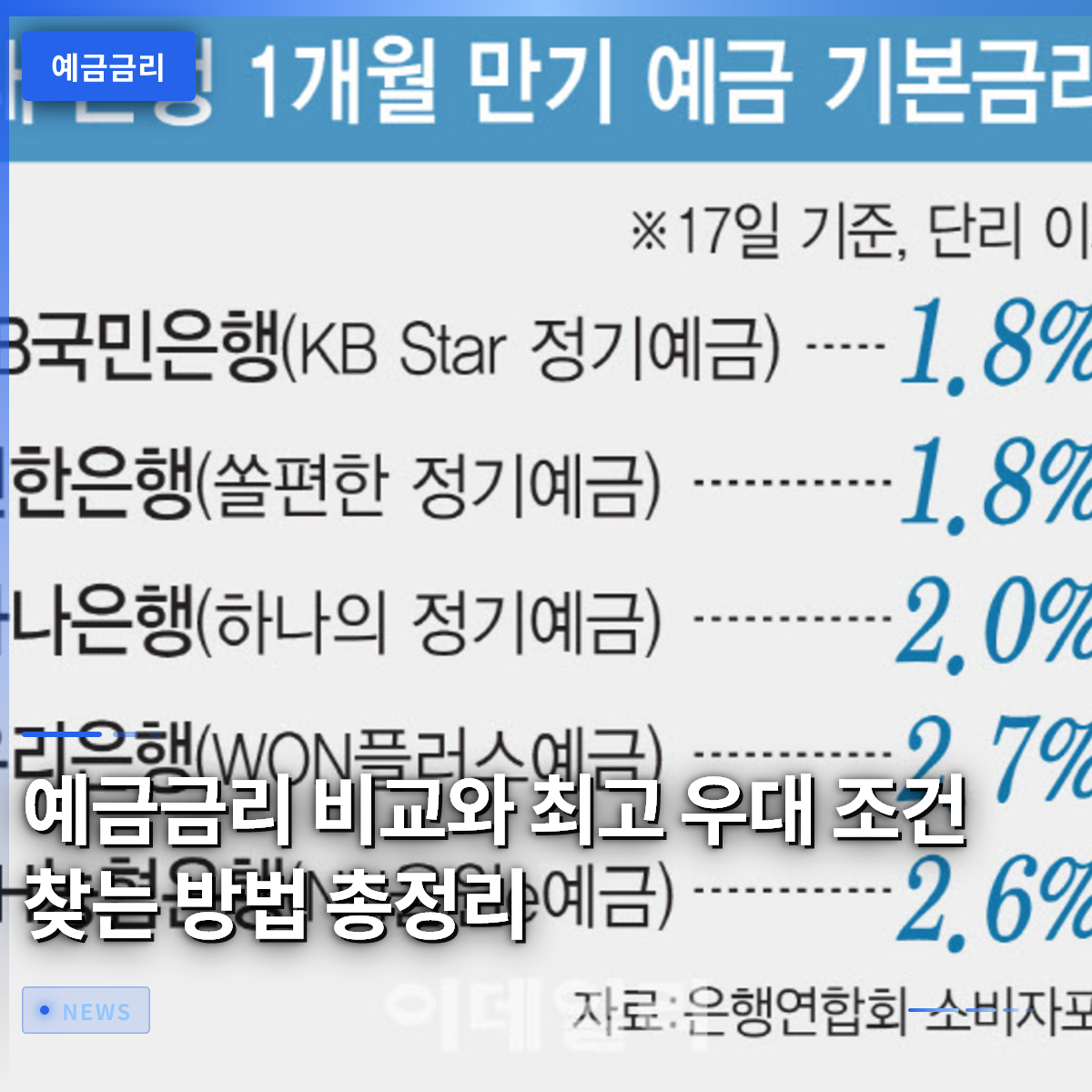
The lump sums that employees often receive after major holidays are frequently directed toward bank deposit products. Recently, fixed deposit products at commercial banks have been offering interest rates approaching 4% annually, enhancing the appeal of fund management. This is because financial institutions are adjusting the yields of their deposit products in response to changes in the Bank of Korea’s base interest rate. For example, if you deposit a lump sum of 30 million won for one year, the difference in applied interest rates can result in an interest variance of over 100,000 won. Therefore, rather than simply chasing the highest visible interest rate, you should evaluate the specific rate range that will actually apply to you.
It is not always wise to lock up surplus funds for long periods without considering the surrounding economic conditions. If you need to access your funds unexpectedly and terminate the deposit early, you will not only face potential principal losses but also forfeit a significant portion of the agreed-upon interest. To mitigate these risks, it is advantageous to diversify deposit terms or keep a portion of your funds in a demand deposit account for easy access. In fact, since the second half of last year, there has been a clear trend of investors moving funds from the stock market to safer bank deposits. To protect your valuable assets, the priority is to accurately understand your own cash flow cycle rather than following the crowd.
When managing a lump sum, consider not only the highest interest rate but also the timing of fund usage and the risks associated with early termination.
2. How to Utilize Bank Apps and Comparative Disclosures
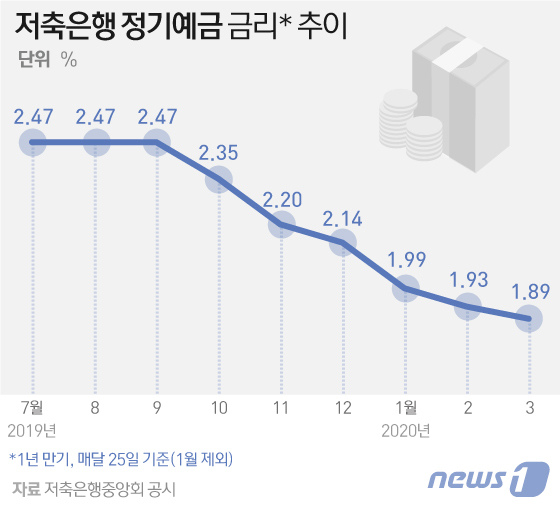
To verify the exact interest rate of a desired product, you should actively utilize the Korea Federation of Banks’ consumer portal or individual financial institution apps. However, you cannot assume that the figures shown in comparative disclosures will be applied as-is when existing accounts are automatically renewed or redeposited. This is because the automatic renewal rates and new account opening rates provided in bank apps are calculated differently depending on the product structure. In reality, many people mistakenly believe that when a deposit matures and is automatically extended, the same high interest rate will continue to apply.
With the advancement of the mobile financial environment, you can compare conditions from multiple financial institutions at a glance with just a few taps on your smartphone. You should develop the habit of frequently checking trends in deposit interest rates based on new transaction volumes through financial platforms like KakaoBank or Toss. For example, if savings deposit interest rates in July show a slight increase compared to the previous month, it is a clear signal that market interest rates are moving. Based on these indicators, you can gauge the optimal timing for making a deposit. In an era where you can access all financial information in the palm of your hand without having to visit branches in person, thorough research is the beginning of smart financial management.
Understand the difference between comparative disclosure figures and actual applied rates, and regularly monitor market trends through mobile apps.
3. The Right Balance Between Fixed Deposits and Parking Accounts
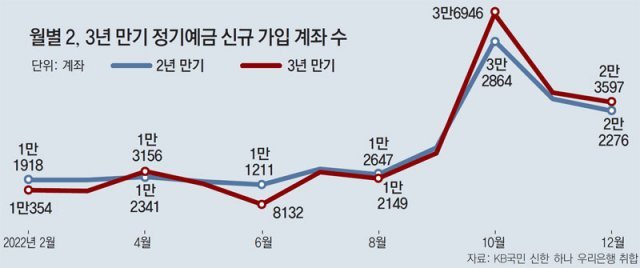
During periods when market interest rates are expected to decline in the future, locking a lump sum in a fixed deposit for a long period may feel like a waste. In such cases, a highly useful tool is the “parking account,” which pays interest even for funds held for just one day. It is far more efficient to keep short-term funds with no definite use in a specific period in a parking account. This is because the basic interest rate of a parking account can be higher or more advantageous than the early termination rate of a fixed deposit.
Many acquaintances tend to automatically sign up for one-year fixed deposits whenever they receive a lump sum. However, if you have plans for large expenses such as moving or getting married in a few months, long-term deposits can actually be detrimental. A wise strategy is to safely earn interest in a parking account while waiting, and then switch to a special promotional product when interest rates become attractive. You need the ability to coldly assess the scale of your financial assets and liabilities and adjust interest burdens or yields accordingly. For flexible fund management, you must accurately understand the characteristics of both product types and allocate them according to your financial situation.
Keep short-term waiting funds in a parking account and adopt a strategy of appropriately allocating funds between fixed deposits based on your future financial plans.
4. Converting Housing Subscription Accounts and Securing Interest Rate Benefits
In addition to deposit products, reviewing the interest rate benefits of housing subscription accounts you have maintained for a long time is a hidden key to asset management. Housing subscription deposits or savings accounts opened in the past can be converted into Comprehensive Housing Subscription Savings, and your existing subscription period is fully recognized in this process. The advantage is that an interest rate in the 3% range, corresponding to the period you have accumulated, is applied immediately upon completing the conversion. The government is supporting this by extending the deadline for applying this system so that more households can benefit.
For subscribers who have maintained their accounts for a long time, converting the product before the upcoming deadline is invariably beneficial. The conversion process is simple and can be done easily by visiting a bank branch or using a mobile app, minimizing hassle. This product is a great asset not only for its original purpose of securing housing but also for providing stable interest income comparable to regular bank deposits. If you have friends who have neglected their long-standing housing subscription accounts, be sure to inform them about this conversion system. Small differences in information can become the decisive factor that significantly changes your account balance years down the line.
Converting a long-held housing subscription account to comprehensive savings allows you to have your subscription period recognized, enabling you to enjoy high interest rate benefits immediately.
5. Household Debt and Fund Management During Interest Rate Hikes
As the base interest rate rises, the “reverse money move” phenomenon is occurring, with funds flowing into deposits; however, simultaneously, the interest burden on households with loans is increasing. For households where debt exceeds financial assets, the pressure of loan interest will likely outweigh the joy of rising deposit interest rates. In particular, small and medium-sized enterprises and self-employed individuals are suffering greatly as high interest rates dry up their cash flow. Therefore, when reviewing your asset structure, you should not only look at deposit interest but also assess your total debt repayment capacity.
Using loan refinancing services to move to products with slightly lower interest rates is an essential survival strategy at this point. Balanced financial management is required, which involves locking surplus funds in deposits while simultaneously reducing loan principal and interest payments. It is dangerous to blindly follow others who are aggressively investing only in deposits just because interest rates are rising. You should first calculate your monthly fixed expenses and interest payments, and then begin deposit investments with the remaining pure surplus funds. To remain steady in a financial market where crises and opportunities coexist, it is crucial to develop the habit of thoroughly examining your own books.
During periods of interest rate hikes, it is essential to maintain balance by managing not only deposit returns but also loan interest burdens and debt scale.
6. Currency Management and Utilizing Diverse Financial Products
Investors who are not satisfied with standard bank deposit interest rates are turning their eyes to diverse financial products such as dollar deposits and foreign currency bonds. The increase in people attempting currency management (hwan-tech) by taking advantage of recent high exchange rate volatility is not unrelated to this. Investing in dollar-denominated bonds through securities firms can yield higher returns than foreign currency deposits at regular banks. However, since these products are often excluded from deposit insurance coverage, you must be fully aware of the risk of principal loss.
Striking a balance between safety and profitability is an important asset management skill that must be learned over a lifetime. You need the wisdom to diversify your investments across fixed deposits, parking accounts, housing subscription accounts, and some alternative investment vehicles, rather than putting all your money in one basket. Since the financial environment is constantly changing, the flexibility to quickly acquire the latest information and apply it to your situation determines success. Based on the various deposit interest rate utilization methods learned today, we hope you will grow your valuable lump sum more robustly and safely. Small concerns and actions will collectively serve as the most reliable foundation for completing your future economic freedom.
In addition to safe deposits, you should wisely utilize diverse financial products such as currency management and bonds from a diversified investment perspective.
Frequently Asked Questions
=