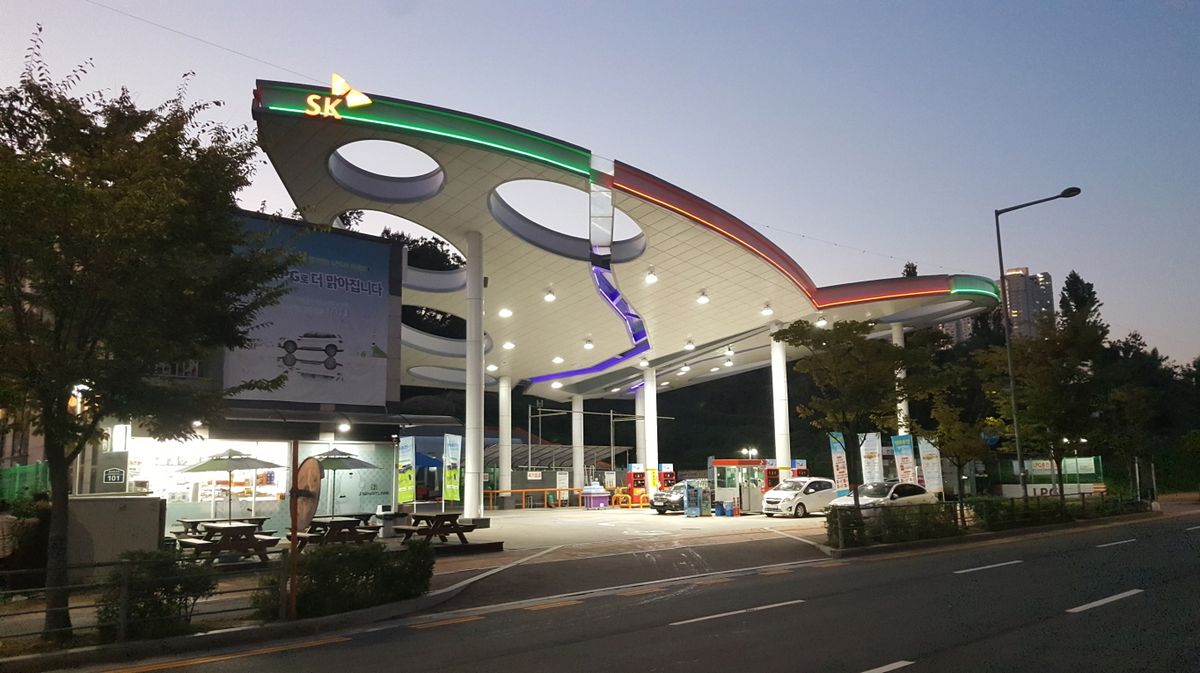
SK Gas is expected to achieve an earnings rebound in the second half of the year by leveraging the price gap between Liquefied Petroleum Gas (LPG) and Liquefied Natural Gas (LNG) amid the ongoing tensions in the Middle East. Securities analysts have noted that the recent Middle East crisis has altered the price structure between energy sources, creating a favorable environment for improved company profitability. In the stock market, there is a keen focus on how these external environmental changes will impact corporate performance. This article will detail the market conditions SK Gas faces and the expected trajectory of its earnings. We will carefully examine the key points that investors are likely to be interested in.
=
Analysis: SK Gas Expected to See H2 Earnings Rebound Amid Middle East Crisis
1. Changes in the Energy Market Brought by the Middle East Crisis
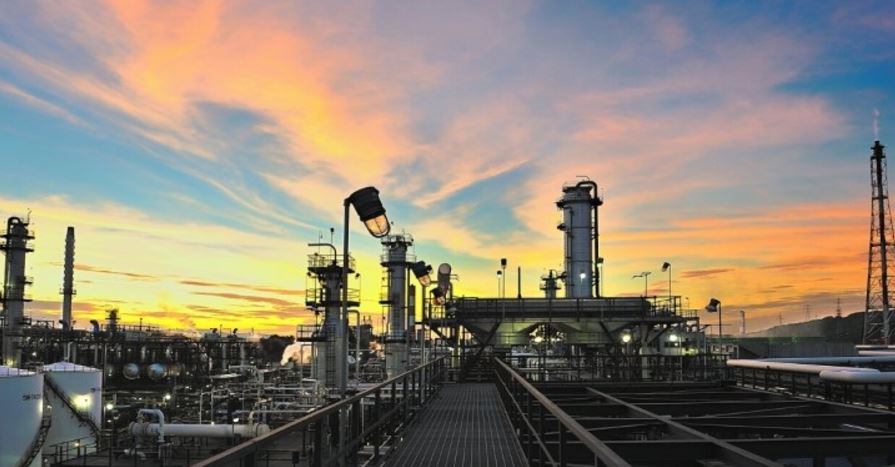
The global energy market is experiencing significant turbulence as armed conflicts and political instability in the Middle East have become prolonged. This has disrupted the supply and demand of major fuels widely used in power plants and industrial sites, leading to extreme price volatility. In particular, fuel inventory shortages, centered in Europe, have caused LNG prices to surge sharply. Meanwhile, the price gap between LNG and LPG, which has remained relatively stable, has widened noticeably. While this price disparity poses a significant burden for companies dependent on a single fuel type, it presents an opportunity for those capable of flexible response. Sharp fluctuations in energy prices are the primary factor causing diverging fortunes among related companies. Supply and demand instability in the energy market carries structural issues that are difficult to resolve in the short term, requiring careful monitoring. Risks originating from the Middle East can trigger price spikes through various channels, such as the blockage of maritime shipping routes or damage to production facilities, making them difficult to predict. Experts anticipate that this situation will persist for some time, emphasizing the importance of energy diversification. Market participants are monitoring raw material price trends in real-time and focusing their efforts on risk management. Ultimately, in times of high uncertainty, the ability to respond flexibly becomes the criterion for determining corporate competitiveness.
The prolonged Middle East crisis has led to rising LNG prices, widening the price gap with LPG.
2. Competitiveness and Selective Utilization of SK Gas’s Ulsan GPS
Amid this energy market volatility, the Ulsan GPS power plant operated by SK Gas is playing a pivotal role. The plant’s major strength is its dual-fuel facility, which allows it to use either LNG or LPG as needed. When the price difference between the two fuels widens significantly, the plant can select the cheaper fuel for operation, thereby drastically reducing power generation costs. It is estimated that if the plant had switched from LNG to LPG during the previous summer, it could have generated substantial profits. Such flexible fuel-switching facilities directly contribute to reducing power generation costs. In the energy industry, this fuel option is evaluated not just as a cost-saving measure, but as a powerful weapon for defending profitability. Since fuel costs account for the majority of total operating costs for power plants, even a small percentage difference can lead to significant changes in operating profit. The company employs an operational strategy of analyzing market conditions carefully and injecting the most economical fuel at the right time. This is not a result of mere luck, but a product of thorough facility investment and market forecasting capabilities. As energy price volatility intensifies, the value of such multi-fuel facilities is expected to shine even brighter.
Ulsan GPS can selectively use LNG and LPG, allowing for a drastic reduction in power generation costs.
3. Q3 Earnings Outlook from the Securities Industry
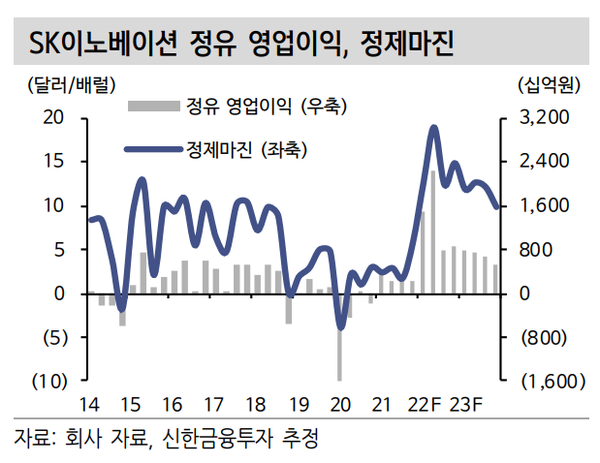
The securities market anticipates that SK Gas will enter a phase of full earnings normalization starting from the third quarter of this year. Specifically, consolidated revenue is expected to increase significantly year-on-year, and operating profit is confirmed to turn positive. This represents a highly encouraging rebound compared to the temporary slump or losses experienced in the previous quarter. Behind this earnings recovery lies the slowing decline in LPG sales volume and improved profitability in the power generation sector. In particular, the rising trend in wholesale electricity prices is gradually increasing the profit scale generated by the power generation sector. Investment experts analyze that the company is once again proving its robust core business strength, overcoming the previous quarter’s underperformance. Stock market professionals are maintaining a “Buy” rating, placing weight on the company’s medium- to long-term growth potential. However, annual earnings estimates for this year have been slightly adjusted to conservatively reflect temporary profit decreases in some business segments and maintenance-related costs. Nevertheless, the fact that the company’s profit-generating capacity will return to its normal trajectory as the second half progresses remains unchanged. Investors should carefully verify how these positive changes are demonstrated in the numbers through upcoming quarterly earnings reports.
A return to profitability in Q3 is expected, driven by stabilized LPG sales and rising wholesale electricity prices.
4. Adjustment of Annual Earnings Estimates and Stock Price Trends

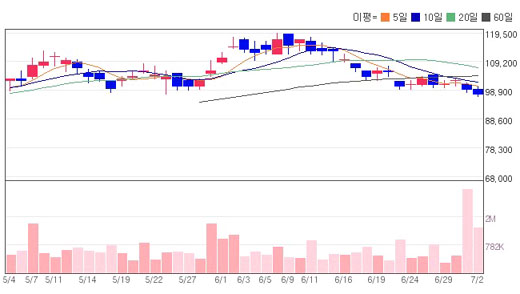
The downward adjustment of some performance indicators was driven by a combination of short-term cost increases and profit volatility across segments. The company reflected the profit decrease in the LPG business segment and various costs associated with power plant maintenance in its estimates for this year. Consequently, the annual operating profit forecast and earnings per share (EPS) forecast have been lowered slightly compared to previous expectations. However, the consensus is that this adjustment is closer to conservative accounting treatment and does not imply a deterioration in the company’s fundamental health. While the securities industry has adjusted target prices slightly, it maintains a “Buy” perspective, leaving room for future stock price appreciation. From the perspective of stock investors, it is necessary to prepare for stock price volatility that may arise during the process of adjusting short-term earnings expectations. When evaluating a company’s value, it is wiser to focus on the structural competitiveness of its core business rather than one-time costs or conservative forecasts. Given that the Middle East situation remains an external variable, one must keep a close eye on the ever-changing international oil and gas prices. The company is wisely absorbing these external shocks through thorough risk management and flexible power plant operations. The stock price is highly likely to trace a gradual upward curve, reflecting this fundamental improvement trend.
Annual forecasts were adjusted to reflect maintenance costs and segment profit declines, but core business competitiveness remains intact.
5. Long-term Value of Energy Multi-Fuel Facilities

The energy diversification and multi-fuel facility strategy pursued by SK Gas is not a one-off measure to respond to the current crisis. In the transition period toward eco-friendly energy, LPG and LNG continue to play a crucial bridging role. Companies equipped with the infrastructure to flexibly respond to price disparities between these two fuels occupy a unique position in the market. While competitors struggle with fuel supply shortages or price spikes, these companies can expand their market share based on cost competitiveness. This differentiated business structure acts as a core driver for enhancing long-term corporate value. The future energy market faces the challenge of moving toward carbon neutrality while simultaneously securing the stability of power supply. In line with this trend, the company has solidified its vertical integration, ranging from the construction of LNG terminals to the power generation business. It is completing a business model that maximizes profitability while providing customers with a reliable supply chain. This is why attention should be paid to such long-term competitiveness rather than being swayed by short-term negatives or external noise affecting the stock price. Business expansion based on robust infrastructure will continue to serve as a sturdy pillar for the company.
Infrastructure capable of flexible fuel usage serves as a strong differentiator in the future energy market.
6. H2 Investment Strategy and Future Outlook
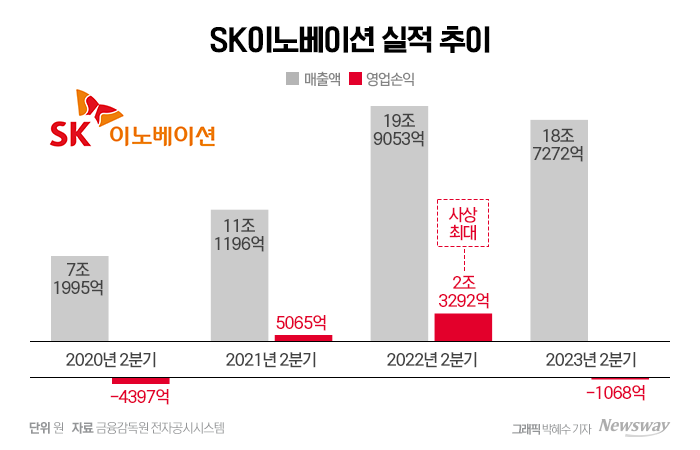
As reviewed above, SK Gas is achieving earnings normalization by benefiting from price gaps despite the headwind of the Middle East crisis. In the second half, as the effect of selective fuel operation at Ulsan GPS is fully reflected, the scope of earnings improvement will become more distinct. Investors should focus on the company’s fundamental profit-generating capacity rather than being preoccupied solely with downward adjustments to short-term earnings estimates. In times of high volatility in the global energy market, attention is needed for companies that can turn crises into opportunities. We recommend closely tracking upcoming quarterly performance indicators to make wise investment decisions. When reading market trends, a multi-faceted perspective considering both macroeconomic indicators and individual corporate competitiveness is essential. It is advisable to regularly check changes in the Middle East situation and LNG price trends while reviewing investment portfolios. The company is diligently fulfilling its role and striving to enhance shareholder value even in an uncertain business environment. It is important to respond calmly, trusting in the company’s substantive change in physical strength rather than fearing market volatility. We will continue to watch the company’s future moves to see if it can leap to the next level through this rebound phase.
A strategy that considers both external variables and corporate fundamentals is necessary, keeping in mind the possibility of an H2 earnings rebound.
Frequently Asked Questions
=