As of September 2026, standard fixed deposit rates at major commercial banks remain in the range of 3% to 4% annually. To maximize interest earnings, it is essential to thoroughly evaluate special products from savings banks or preferential interest rate conditions. With the Bank of Korea showing signs of adjusting its base interest rate, subtle changes are being felt in the deposit and savings markets, and banks are rolling out various events to attract customers. Mr. Kim, an office worker, felt disappointed when his six-month short-term savings account, into which he had deposited 300,000 won monthly, matured with very little interest. However, he maintains his saving habits by finding small joys, such as attendance check-ins and coffee coupons. In this article, we will carefully compare current interest rates at commercial banks, savings banks, and internet banks, and explore how to find the best product available to you. If you want to protect your assets and create a smart plan for building a lump sum during a period of rising interest rates, please read on. This article is packed with valuable information that will certainly help those interested in financial management.
=
Comparing Savings Rates in September 2026: How to Find Special Products with Up to 6% Annual Interest
1. Current Interest Rates at Commercial and Savings Banks as of September 2026
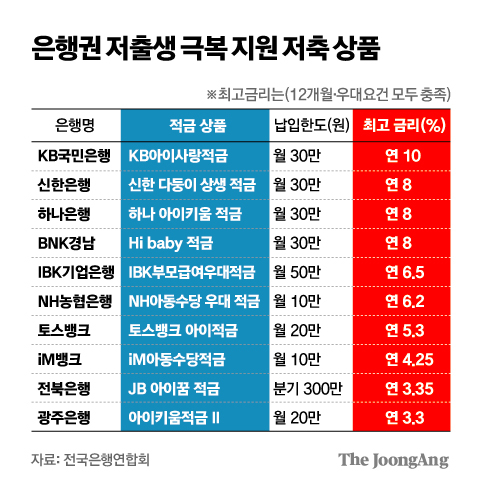
Recently, the highest interest rates for one-year fixed deposits at commercial banks have fluctuated between approximately 3.4% and 3.6% annually, showing a somewhat stagnant trend. Considering inflation, it is difficult to build significant wealth through deposits alone, leading many people to search for institutions offering even slightly higher interest rates. In this context, savings banks and the second financial sector are attracting funds by offering relatively attractive rates. For example, while overall interest levels are not as high as in the past, products offering exceptional benefits upon meeting specific conditions are emerging one after another. Office workers and young professionals who diligently pay fixed amounts monthly need to closely examine the interest rate structures of savings products compared to regular checking accounts. It is important to develop the habit of checking the latest interest rate information daily, either by visiting bank branches or using mobile applications.
While commercial bank rates are stagnant, alternatives should be sought primarily from savings banks.
2. Health Promotion Savings Accounts Boasting Up to 6% Annual Interest
Recently, the financial sector has introduced unique products that go beyond simple savings, linking them to customer health management or eco-friendly activities, which have received a warm response. Notably, the regular savings product launched by HNH Savings Bank offers preferential interest rates upon completing smoking cessation, walking exercises, or eco-friendly pledges. Due to its outstanding benefits, the product became immensely popular immediately after its launch and has recently been re-released in limited quantities with interest rate conditions of up to 6% annually. When it was first released, the sales limit was exhausted in an instant, leaving many customers disappointed. Consumers who have heard about this re-release are feeling strong appeal in the ability to take care of their health while earning high interest, and are rushing to prepare their applications. For those who enjoy light walks in their daily lives or have decided to quit smoking, this is a perfect opportunity to catch both birds with one stone: saving money and maintaining health.
Practicing health management and eco-friendly pledges can earn you high interest rates of up to 6% annually.
3. How to Utilize Government Policy Financial Products for Young People
Government policy financial products designed to help young people build assets boast benefits that are incomparable to general products from commercial banks. In fact, while regular bank savings accounts typically offer rates between 3% and 4% annually even in the best cases, policy products can provide a remarkable interest effect of around 19% annually with no tax deductions. As news of this spreads, it is common to see eligible young people marking the upcoming application dates on their calendars and preparing thoroughly. Following June, an additional application period is scheduled for early October, sparking unprecedented interest among eligible individuals. Mr. Park, a young professional who heard about this product from a colleague, carefully organized the eligibility conditions and preferential benefits, and has finally started preparing the necessary documents. Since you can cultivate the habit of consistent monthly saving while also securing government support, eligible individuals must not miss this opportunity.
Policy products for young people offer very high after-tax interest effects, so you must apply.
4. Comparing the Pros and Cons of Short-Term Savings and Parking Accounts
In times of high interest rate volatility, locking money into long-term products of one or two years is not always the best strategy. Six-month short-term savings accounts have the distinct advantage of maturing quickly, allowing for flexible fund management. Although the interest may be minimal, an increasing number of young people are saving while enjoying small pleasures like daily attendance check-ins or receiving coffee coupons. On the other hand, parking accounts, which allow you to temporarily store a lump sum and earn daily interest, have become an essential tool for managing emergency funds. They offer higher interest rates than regular deposits while allowing free deposits and withdrawals at any time, making them ideal for those who frequently need cash. It is wise to appropriately combine short-term savings and parking accounts according to your cash flow cycle and financial plan.
It is advantageous to appropriately combine short-term savings and parking accounts considering fund liquidity.
5. Tips for Snagging High-Interest Special Products Faster Than Others
Limited-edition high-interest special products occasionally released by banks always involve fierce competition for enrollment, where information access and quick action determine success. The key is to monitor internet communities and financial information sharing cafes daily to get the news one step ahead of others. You should keep notifications enabled on financial institution mobile applications and be ready to press the enrollment button immediately when special products open. Upon close inspection of enrollment conditions, you will often find strict additional requirements such as automatic transfer settings, marketing consent, or credit card usage records. If these conditions are not met in advance, you may find yourself in the regrettable situation of discovering a special product but failing to receive the full preferential interest rate. Diligently checking product information from not only your primary bank but also various second financial sector institutions will directly translate into higher interest earnings.