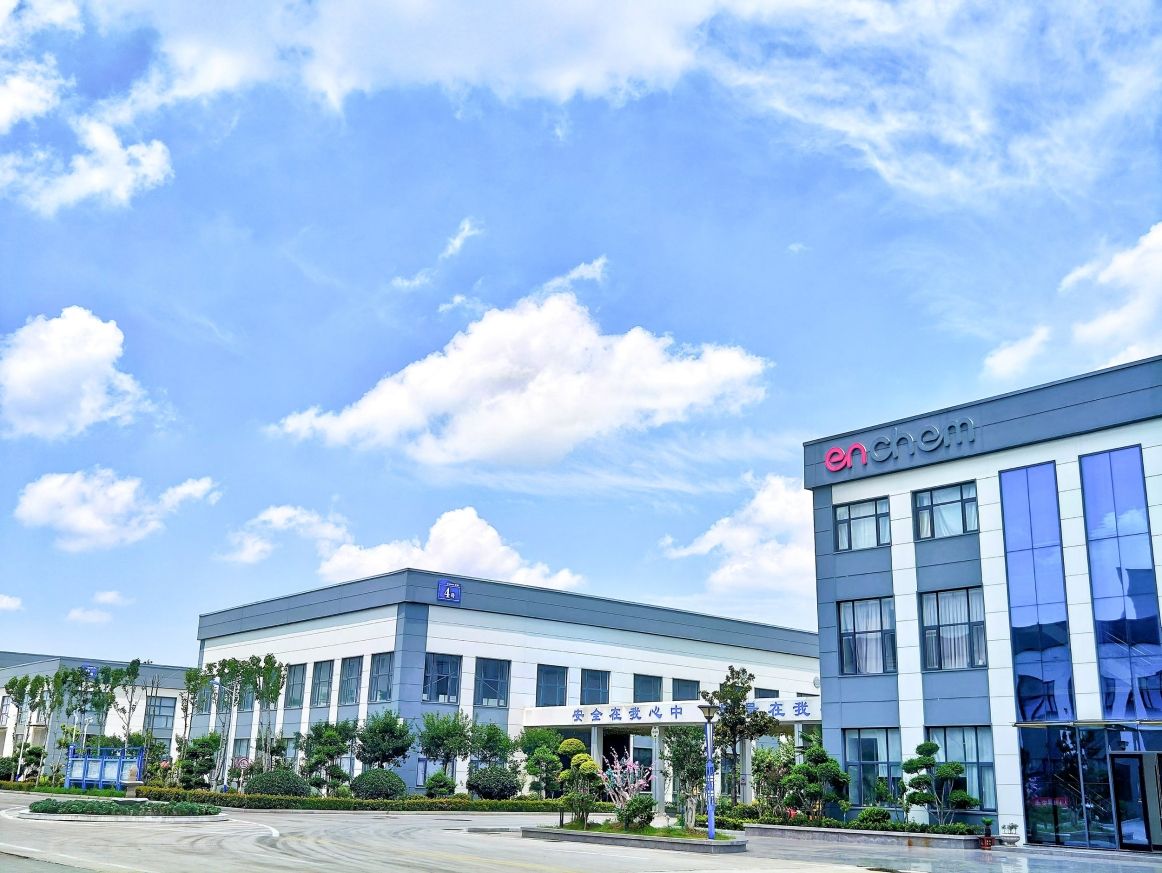
Battery materials company Enchem has completely shifted its business strategy from external growth to a focus on substantive profits and margins, immediately after expanding its revenue in the Chinese market by more than 2.5 times. The company is moving away from a model of simply increasing supply volume to grow in size, instead boldly re-evaluating low-profitability projects and initiating price renegotiations to focus on strengthening its fundamentals. This strategic shift is driven by the judgment that, as the electrolyte market enters a phase of oversupply and fierce price competition, maintaining cash flow through solid management is essential rather than pursuing aggressive order intake. In fact, the sharp increase in the performance of its Chinese sales subsidiary in the first half of this year was driven by both rising selling prices and increased volume. Going forward, the key metric determining a company’s fate is no longer how much it sells, but how much profit it retains from those sales. Let us carefully examine whether this strategic adjustment will successfully achieve both performance defense and improved profitability.
=
Enchem Pivots Strategy to Prioritize Margins Over Volume After 2.5x Surge in China Revenue
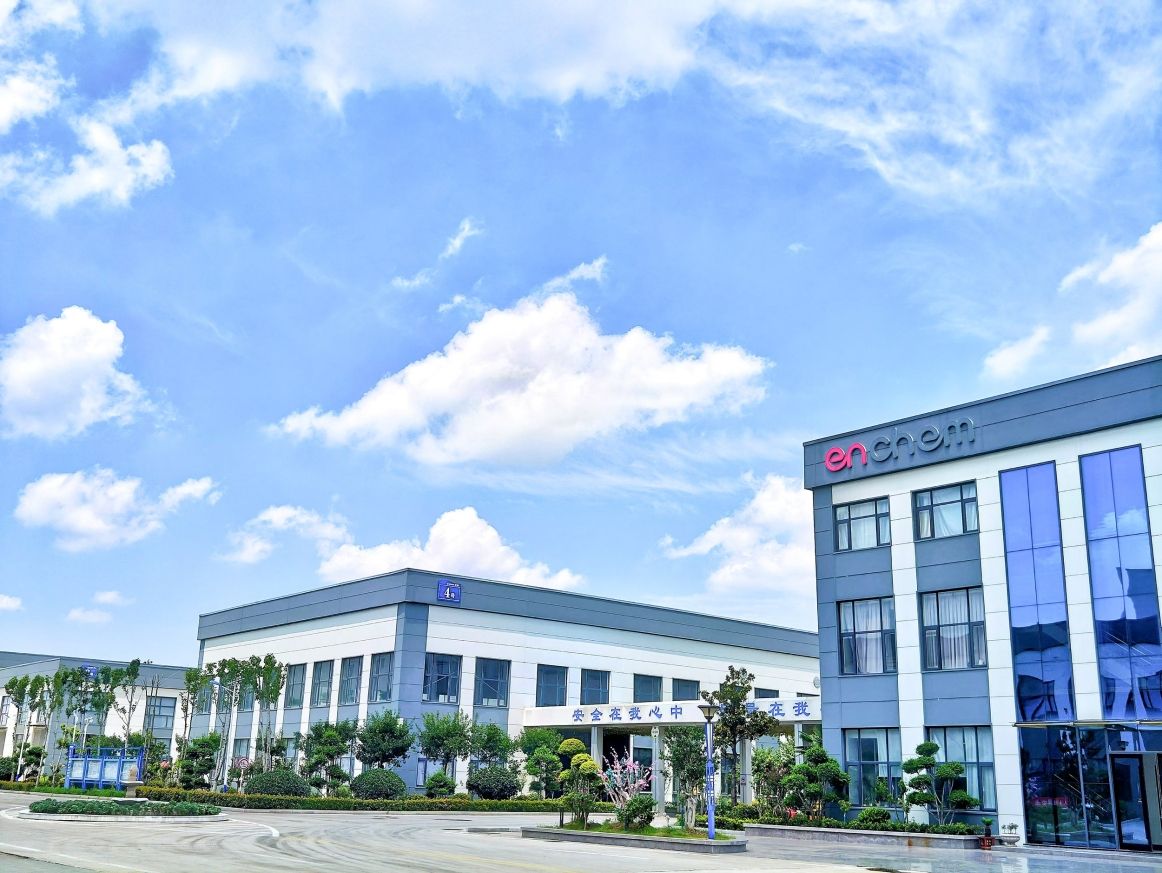
1. The Hidden Background of the Surge in China Market Performance

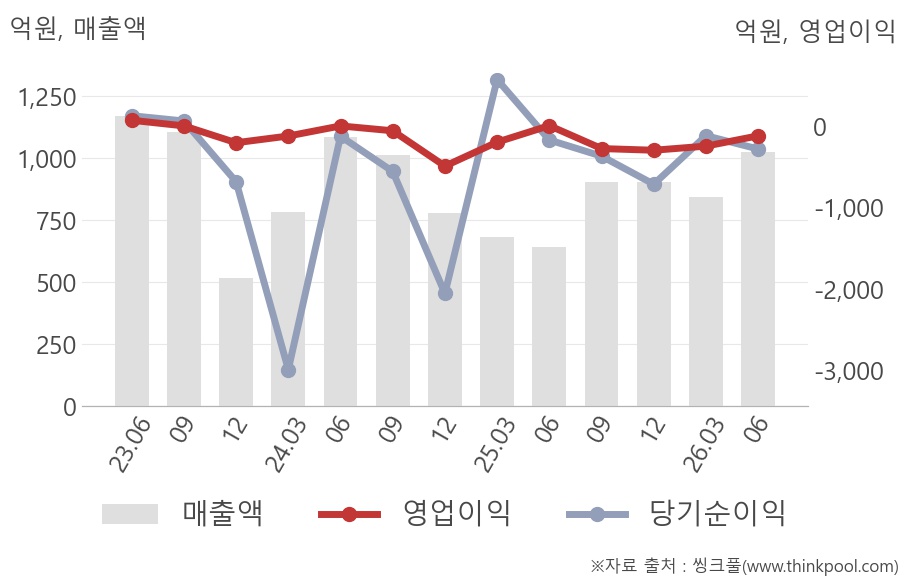
Enchem recorded a remarkable revenue of 81 billion won from its Chinese sales subsidiary alone in the first half of this year, achieving explosive growth of more than 2.5 times compared to the same period last year. This steep expansion in scale was possible due to a significant increase in supply volume from local factories, coupled with a rise in selling prices of nearly 60 percent. During a period when demand across the battery industry was stirring, local factories handled production levels close to full capacity, resulting in a notable performance report. However, a harsh market environment was simultaneously taking shape, meaning that such a revenue surge does not guarantee unbridled success. This is because local competitors have collectively expanded their production capacities, causing concerns of market-wide oversupply to begin to loom. Consequently, a sense of crisis has emerged internally that becoming intoxicated with external growth alone could lead to a boomerang effect of increased cost burdens and deteriorated profitability. This is the reason why voices from the field advocating for a shift from past methods focused solely on revenue growth to strengthening fundamentals have grown louder.
Although revenue increased by 2.5 times, this reflects a recognition of the limitations of unconditional external expansion amidst oversupply.
2. A Major Shift from Volume-Centric to Margin-Centric
Management has begun to meticulously scrutinize the actual profitability of new orders and ongoing projects starting from the second half. Judging that a method of simply increasing revenue figures weakens the company’s fundamental health, they have proceeded to comprehensively re-examine supply conditions. In particular, they are conducting fierce renegotiations to make the pricing of large-scale supply volumes of up to 1,000 tons per month realistic in their collaborations with major large customers in China. They are carefully checking whether fluctuations in raw material prices are properly reflected in selling prices and whether the creditworthiness of trading partners is solid. Additionally, they are analyzing payment terms and logistics costs incurred during the manufacturing process in detail, with a policy of decisively clearing out transactions that do not yield a margin. This trend symbolizes a massive change in survival strategies sweeping across the entire electrolyte industry, not just a move by Enchem alone.
The company is improving its fundamental health by shifting from a competition for volume acquisition to margin-centric management that strictly controls selling prices and costs.
3. A Cold Re-evaluation of Low-Profitability Projects
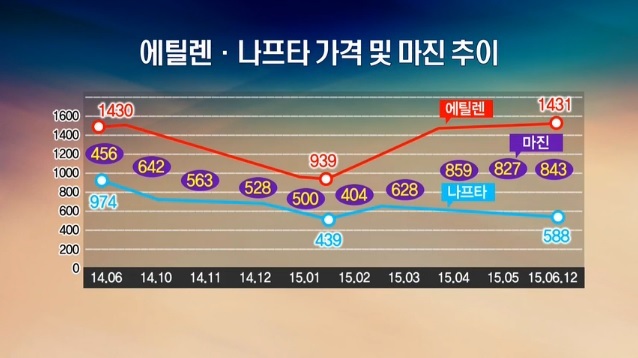
For projects where profitability is not guaranteed, the company is not only reducing supply volumes but also re-examining from scratch the modification of trading conditions and the very continuation of the business. In the past, there was a practice of pushing volume first, even with somewhat insufficient margins, to maintain market share. However, at a time when raw material prices are fluctuating and logistics costs are rising, it has been concluded that this approach is actually a poison that erodes the company’s cash flow. In practice, if a deal is not profitable compared to manufacturing costs, they are making the decision to boldly abandon orders or change the terms to their advantage. This reflects the philosophy that while relationships with trading partners are important, a ruthless profit-and-loss calculation must take precedence for the company’s survival and sustainable growth. Field practitioners are also focusing their efforts on high-quality projects that can guarantee certain profits rather than unreasonable orders. It is expected that the company’s overall financial soundness will become even more robust after undergoing this thorough filtering process.
Low-profitability projects are being boldly re-evaluated to implement painful structural adjustments.
4. Strategy for Cost Reduction and Maximizing Production Efficiency
Alongside price renegotiations, the company is simultaneously implementing self-help measures by diversifying raw material procurement channels and aggressively boosting production yields. Company-wide cost reduction campaigns are being carried out in various parts of the field, including curbing unnecessary fixed costs and squeezing logistics expenses. They are also carefully reviewing contract manufacturing business models with local specialized companies to maximize efficiency relative to investment. By flexibly adjusting key products and volumes for each production line, they are making every effort to increase factory utilization rates and lower per-unit production costs. Only with such multi-faceted efforts to reduce costs can the company secure a definite advantage in the local market, where price competition is intense. Ultimately, strict cost control and the maximization of production efficiency are becoming the most powerful weapons leading to margin recovery.
The company reduces costs and increases utilization rates through diversification of procurement sources and improvement of production yields.
5. New Points of Interest in the China Business
Experts expect that the market’s perspective and evaluation criteria for the China business will change completely going forward. While the key indicator until now was how steeply revenue was rising, the most important point of interest now is how quickly margins are recovering. The biggest concern is what positive changes the results of price adjustments for large-scale volumes of up to 1,000 tons per month will bring to the actual income statement. Attention is focused on whether the effect of restructuring by clearing out low-profitability sites and focusing on core orders will be fully reflected in the upcoming quarterly performance. The stock market and investors will also evaluate the company’s ability to create substantive profits more sharply than simple external growth. As a result, if this strategic adjustment is successfully implemented, the company will lay the foundation for a leap into a more mature global high-quality enterprise.
Evaluation criteria are shifting from revenue growth rates to the speed of margin recovery and the extent of substantive profit and loss improvement.
6. A Leap Toward Sustainable Growth
This strategic shift demonstrates management’s resolute will to achieve long-term and sustainable growth without being swayed by short-term performance fluctuations. It proves that in the rapidly changing environment of the battery materials industry, building a solid profit structure is the only way to survive, rather than chasing unreasonable economies of scale. Readers are also advised to cultivate the insight to look at not just external revenue scale but also substantive profit margins and cash flows when assessing a company’s investment value. It will be an interesting point of interest to continuously watch what fresh ripples Enchem’s margin-centric fundamental improvement process will cause across the entire industry. Let us all cheer with a positive outlook for what results will be borne by unwavering cost management and a strict profitability-focused order strategy. We promise to continue providing in-depth analysis that accurately reads market trends and useful information.
The company is committed to price normalization and cost reduction, aiming for sustainable growth rather than external expansion.
Frequently Asked Questions
=