
As the recommendation process for the 13th Public Interest Project Selection Committee officially begins, we are eagerly awaiting the participation of experts from various fields. This committee, formed annually to evaluate diverse public interest projects transparently and fairly, serves as a crucial platform for identifying the unsung heroes of our society. If you know any practical experts or academic figures who have quietly continued their social contribution activities, please consider nominating them as candidates right away. In this article, we will carefully walk you through the entire process, from the essential eligibility requirements for committee member recommendations to the necessary documents and submission methods. Based on official guidelines from the Ministry of the Interior and Security and related agencies, we will clearly organize the often-confusing schedule, so please read on to the end.
=
Guide to Recommending Committee Members for the 13th Public Interest Project Selection Committee: Methods and Eligibility

1. What is the 13th Public Interest Project Selection Committee?
The Public Interest Project Selection Committee is a core body responsible for reviewing and selecting projects from essential non-profit public interest corporations and private organizations in our society. Every year, numerous organizations receive government support to carry out meaningful activities, such as helping marginalized groups and promoting regional development. In this process, the committee plays a vital role in determining which projects truly align with the public interest and ensure the efficient use of budget. Committee members can be seen as a compass, guiding societal resources to the right places, going beyond the role of simple reviewers. Therefore, identifying talent that possesses both expertise and integrity is of paramount importance, drawing significant attention to this 13th recruitment. In fact, last year’s review process uncovered a large number of innovative, community-focused welfare projects that received great acclaim. One of the participating members shared that it was rewarding to be able to fully reflect the voices from the field in budget allocation. As such, a single individual we recommend can play a catalytic role in transforming the entire public interest ecosystem of South Korea.
The Public Interest Project Selection Committee is a core review body that fairly evaluates private public interest activities and determines the recipients of support.
2. Eligibility and Requirements for Committee Candidate Recommendations
Candidates for the 13th Committee must possess rich insight and practical experience in relevant fields. The primary targets include civic society activists, professors in related departments, or experts who have handled policies in public institutions. It is not enough to simply list a name; candidates must be well-equipped with the expertise and stamina (?) to lead actual document reviews and on-site evaluations. Individuals who can maintain an objective perspective from the standpoint of the overall public interest, rather than representing specific interest groups, are considered the top priority. If you have an acquaintance who has spent years in volunteer management or social welfare fields, they could be an excellent candidate. Practical talents who thoroughly understand administrative procedures and budget execution processes are often more welcomed in the field than those who only know academic theories. When preparing a recommendation, the candidate’s past projects or published research materials can serve as valuable references.
Candidates should possess professional knowledge and practical experience in relevant fields, enabling them to review public interest projects with an objective perspective.
3. Required Documents and Writing Tips
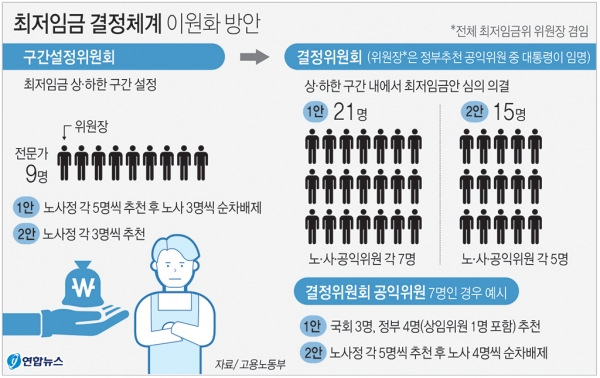
To proceed with a committee member recommendation, you must prepare various documents without omission, following the prescribed formats. The most basic document is the candidate recommendation form, which should detail the candidate’s career and major achievements. Additionally, you must carefully ensure that the Consent for Collection and Use of Personal Information, written directly by the candidate, is not missing. As a rule, all documents should be filled out using the latest formats downloaded from the official guidelines of the competent agencies, such as the Ministry of the Interior and Security or the Seoul City Hall. Occasionally, cases arise where candidates face disadvantages in the review because they used old formats or left mandatory fields blank. When writing the recommendation, it is better to focus on objective figures and specific activity results rather than exaggerating the applicant’s abilities. For example, instead of simply stating that they did a lot of volunteer work, you should specifically describe what programs they planned and how many residents benefited from them.
You must complete and submit the recommendation form and personal information consent form using the latest formats provided by the agency, ensuring no omissions.
4. Recommendation Submission Period and Process
Recommendations for the 13th Public Interest Project Selection Committee are conducted rigorously through online and offline methods within a designated period. Once the submission deadline passes, additional submissions are not possible for any reason, so it is necessary to develop the habit of checking the schedule in advance. After submission, the relevant department undergoes a review stage to strictly verify eligibility. During this process, they carefully cross-check for any disqualifying reasons before finalizing the list of committee members. Typically, a short period of about one month is given from the announcement of the notice to the deadline, so document preparation must be expedited. If you are a working professional or a practitioner affiliated with an organization, it may take time to obtain internal approval, so it is safe to start preparing from the first week. Since submission methods may vary slightly by agency, be sure to re-check the notice to confirm whether submissions are made in person or via email.
You must strictly adhere to the designated submission deadline and submit the application form without omission, following the guidelines of each agency.
5. Key Points to Note When Recommending
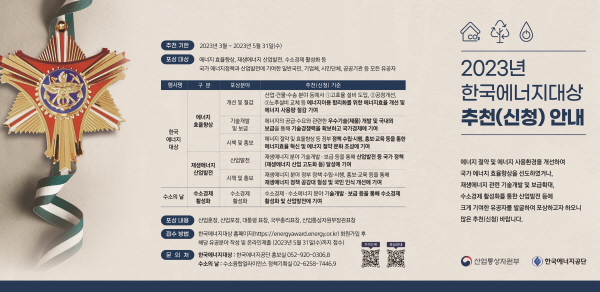
When recommending a committee candidate, you should first review the conflict of interest prevention regulations and fairness maintenance clauses. If the candidate is currently a representative of a specific organization or has direct interests involved, they may be excluded as it could compromise the fairness of the review. Additionally, candidates with a history of violating the Public Election Act or causing social controversy are fundamentally excluded from consideration. Please keep in mind that, as this is a government committee where all procedures are transparently disclosed, the criteria for integrity verification are applied very strictly. Before submitting the recommendation, it is essential to first ask the candidate’s opinion and obtain their consent. Occasionally, incidents occur where a recommendation is made without the candidate’s knowledge as a “surprise,” only for the documents to become invalid later because the candidate cannot be reached. For smooth proceedings, the candidate themselves must fully recognize the importance of committee activities and the significant sense of responsibility, and accept the position.
You must comply with conflict of interest prevention regulations and obtain the candidate’s prior consent before proceeding with the recommendation.
6. Future Committee Activities and Expected Effects
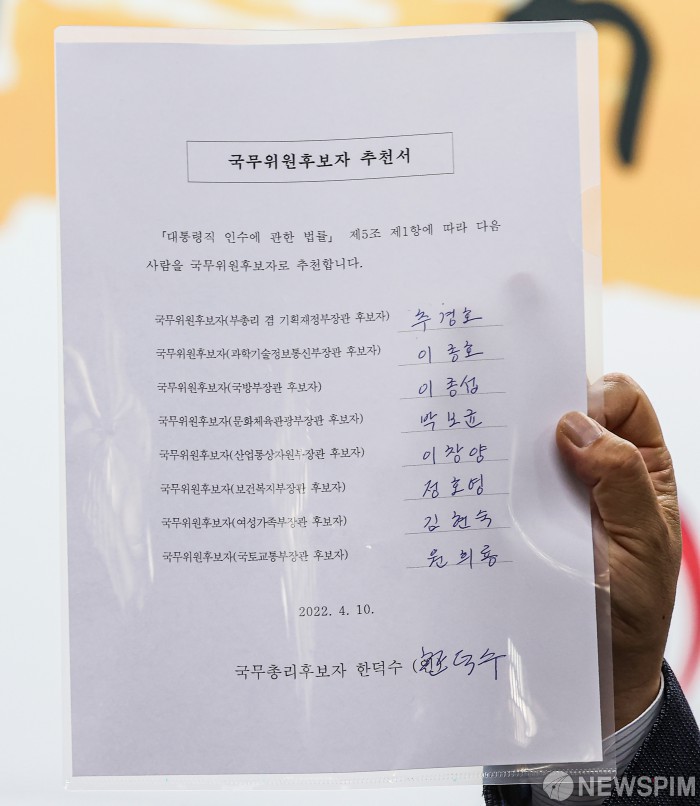
The newly formed 13th Public Interest Project Selection Committee will determine the direction of private public interest activities in South Korea in the future. Selected committee members will help ensure that support funds, like a timely rain, are delivered to various parts of our society through a transparent and fair review process. In an era where administrative transparency is increasingly emphasized, the sharp and warm perspective of private experts further enhances the quality of government policies. We hope that many capable individuals will participate in this recommendation process, allowing the public interest value of our society to take another step forward. If you know any hidden talents around you, do not hesitate to actively extend a hand of recommendation through this opportunity. A small recommendation can be the beginning of a massive change that makes South Korea a more livable and warm community. It would be greatly helpful if you continue to pay attention to the final selection results and related additional news to be announced in the future.
Through the fair review by capable committee members, public interest activities in our society will become more transparent and vibrant.
Frequently Asked Questions
=