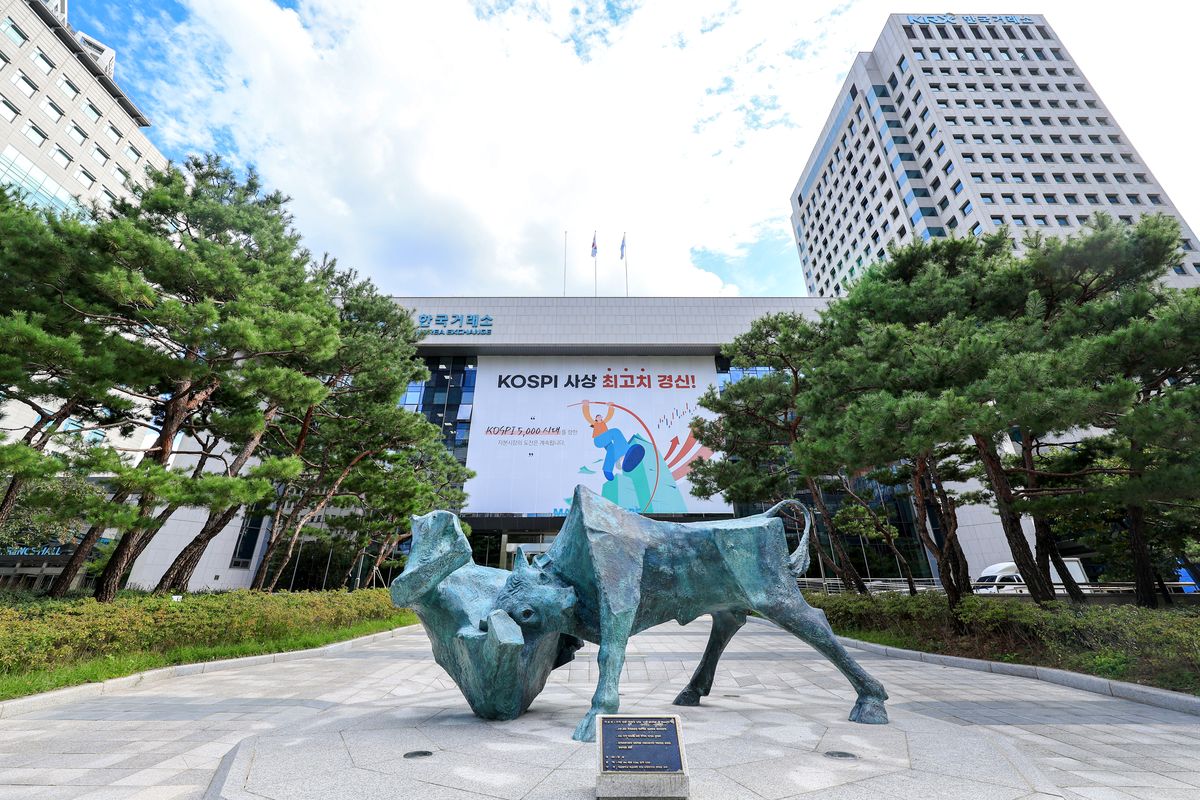
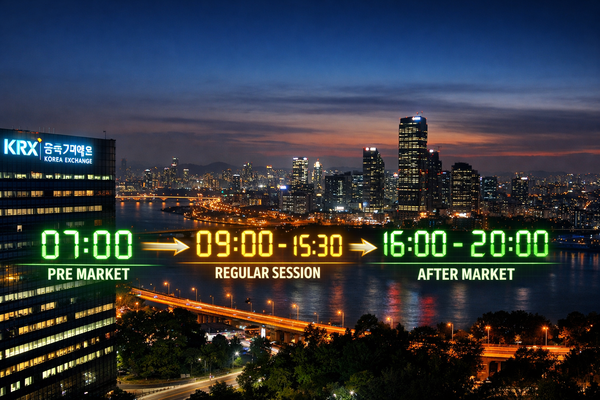
The Korea Exchange (KRX) has announced that it will fully activate a dedicated special monitoring team through the end of the year to preemptively block unfair trading in the newly launched KRX After-Market, where massive capital flows exceeding 1 trillion won daily have been observed. While a new trading venue has opened for office workers commuting home or those seeking investment opportunities in the evening, this move reflects concerns that activities aiming to disrupt the market may also increase. Indeed, from the very first week of the system’s introduction, an enormous volume of trades poured in, proving the explosive interest of market participants. Today, we will thoroughly examine the specific performance of this new night trading system and the changes in the monitoring framework that investors must understand. If you have often missed stock trading during regular market hours due to work, this content will help you fully understand the new investment environment. Let’s take a detailed look at how this market operates.
=
KRX After-Market Sees Daily Trading Volume Exceeding 1 Trillion Won; Special Monitoring Activated Through Year-End
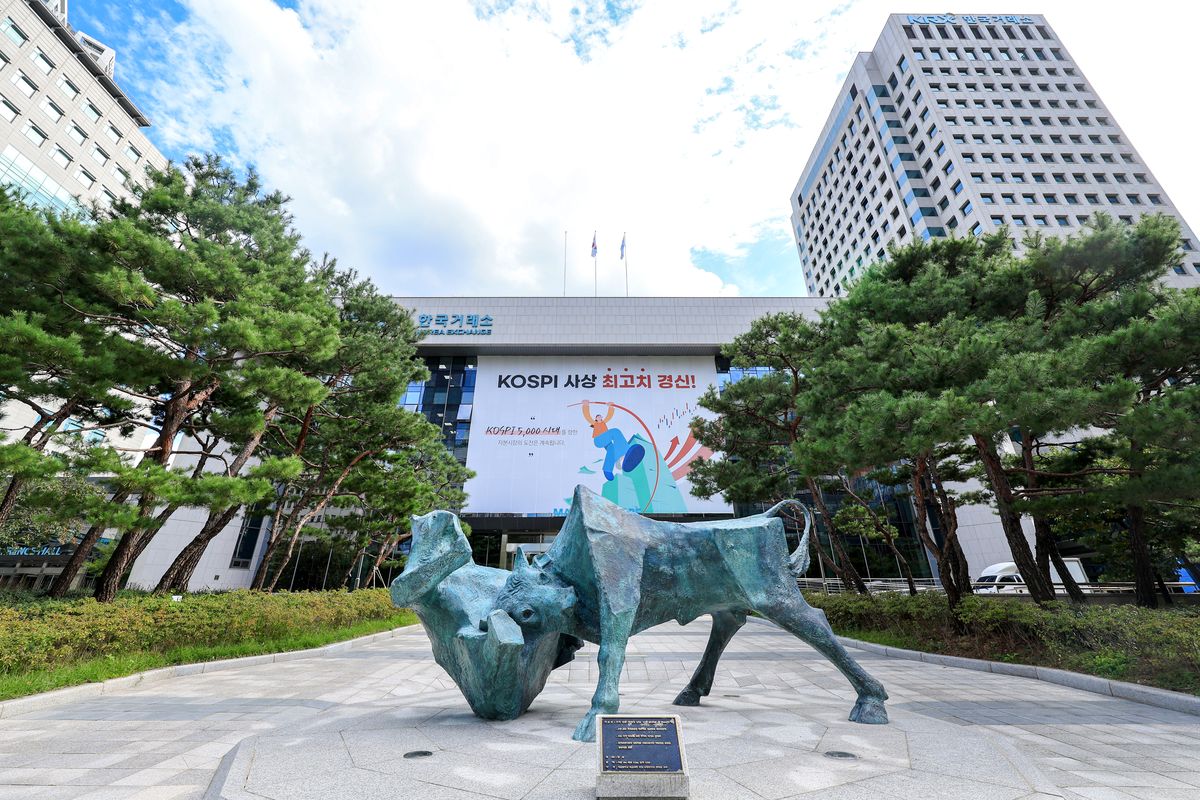
1. First-Week Performance and Trading Volume Analysis
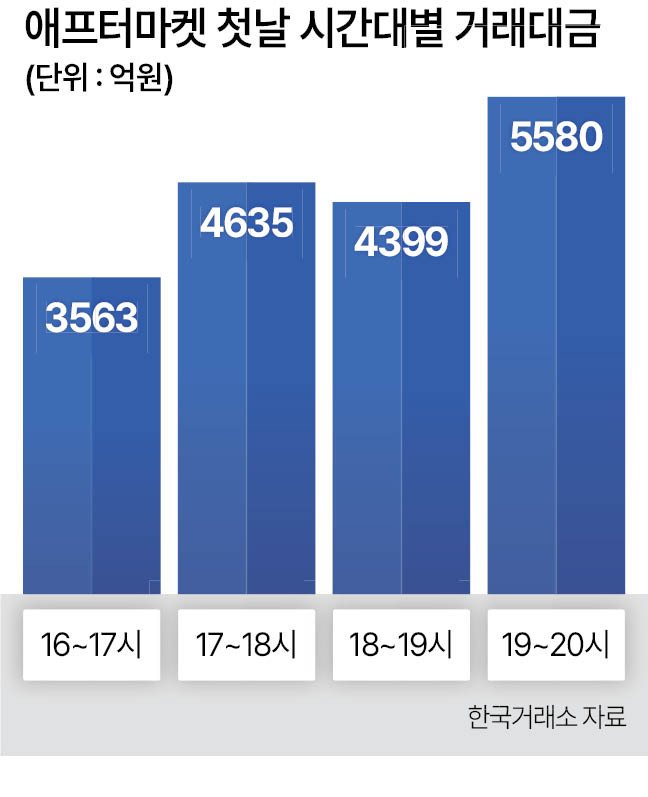
According to official data from the Korea Exchange, the average daily trading volume of the KRX After-Market, which operated for one week from the 14th to the 18th, reached 54.85 million shares. Converted into monetary value, this amounts to a staggering 1.1 trillion won moving through the market every night. This figure corresponds to approximately 4.6% of the total trading value in the regular market during the same period, indicating a remarkably high initial participation rate for a night market. It was a moment that directly proved the fervent enthusiasm of retail investors who cannot put down their smartphones even after work. Stock communities were flooded with posts from users who were surprised to see the activity when they opened their trading apps in the evening to aid digestion. Such explosive initial liquidity increases the likelihood that this market will firmly establish itself as a legitimate investment vehicle.
Out of the total 2,763 listed stocks, actual trades were executed in 2,379 stocks, accounting for a remarkable 86.1%. Compared to the roughly 600 stocks that were previously handled on a limited basis by other alternative trading systems, the range of choices has expanded enormously. Of course, problematic stocks with extremely low liquidity or concerns about poor market management were strictly excluded from trading from the outset. As a result, investors have been able to enjoy an environment where they can freely buy and sell a diverse range of stocks at night within a relatively safe framework. Mr. Kim, an office worker, stated that it is very convenient to be able to leisurely buy quality stocks in the evening that he had missed during the day due to urgent work tasks. As the barrier to entry for the market has lowered, it is expected that even more capital will flow into this time slot in the future.
The average daily trading value of the After-Market in its first week reached 1.1 trillion won, amounting to 4.6% of the regular market.
2. Retail Investor Leadership and Stock Diversity
One of the most notable features of this After-Market is that retail investors are driving the vast majority of the trading value. Retail investors account for a whopping 90.4% of the total trading value, making the market essentially a playground for individuals. In contrast, foreign investors accounted for 6.7% and institutional investors for 2.6%, maintaining a relatively quiet wait-and-see stance. This indicates that individuals, who were unable to participate in trading during the day due to work or livelihood, are actively utilizing their evening time. Experts predict that this phenomenon will continue for the time being and that dynamic price formation centered on retail investors will persist. Investors who were anxious about significant stock price fluctuations during the day are seen responding quickly in the evening based on reassessed corporate value.
Investor satisfaction has increased further as the number of tradable stocks has expanded to well over 80% of the total. In the past, it was widely believed that trading would be limited to a very small number of large-cap stocks. However, once the market opened, trading was evenly distributed from top market-cap stocks to small and mid-cap stocks, showing vibrant activity. The exchange implemented a filtering process to exclude weak stocks from the start that could disrupt market order or create gaps in investor protection. Thanks to this strict pre-screening, investors were able to focus on trading with reduced concerns about fraudulent stocks. There were even scenes where people would immediately check stocks and execute trades upon receiving a smartphone notification during evening gatherings with friends and acquaintances.
Retail investors account for over 90% of the total trading value, standing as the main players in the night market.
3. Volatility Damping Devices and Actual Market Movements
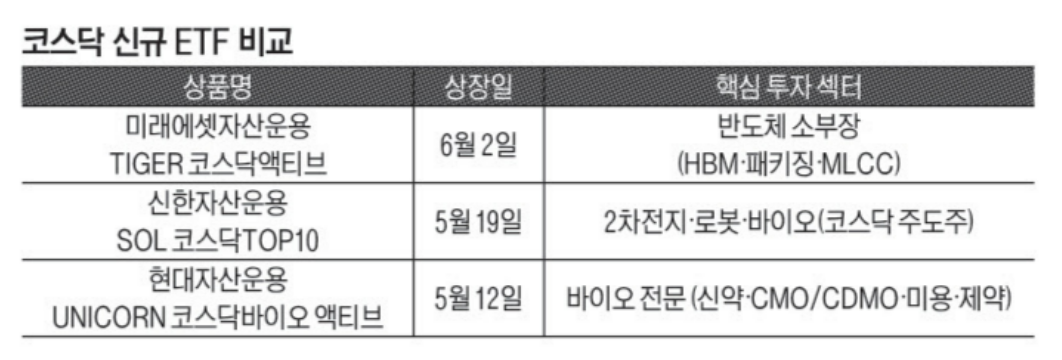
Whenever a new market opens, the most concerning aspects are typically the risk of sharp stock price fluctuations and price manipulation. To prevent this, the Korea Exchange applied volatility damping devices with exactly the same criteria as the regular market to the night market without exception. In fact, on the first day of implementation, the number of times the damping devices were triggered due to price fluctuations reached 1,112, creating significant tension. However, as time passed and the market gradually stabilized, the number of triggers dropped sharply by nearly half to 553 on the 18th. Considering that the total trading volume is at a 6% level of the regular market, this is only slightly higher than the regular market average of 494 times, but it was not as chaotic as anticipated. This is a clear signal that market participants are quickly adapting to the new system and that the system is settling in stably.
Looking at the high-low volatility index, which indicates actual price swings, the night market recorded a much calmer trend than the regular market. This figure, which represents the difference between the highest and lowest prices during the session, remained lower than the regular market for all five trading days after the opening without a single exception. For example, the average high-low volatility for KOSPI stocks was 3.8% in the regular market, whereas it was only 2.1% in the After-Market. Similarly, while KOSDAQ stocks showed 5.4% in the regular market, they displayed a more stable 3.5% in the night market. This proves that investors are approaching the night market cautiously and calmly, assessing corporate value rather than engaging in impulsive trading. Perhaps due to fatigue accumulated during the day, the atmosphere is characterized by light split buying or selling rather than aggressive betting.
The activation of volatility damping devices in the night market is gradually decreasing, and high-low volatility is lower than in the regular market.
4. Activation of Special Monitoring TF and Strict Enforcement Against Unfair Trading
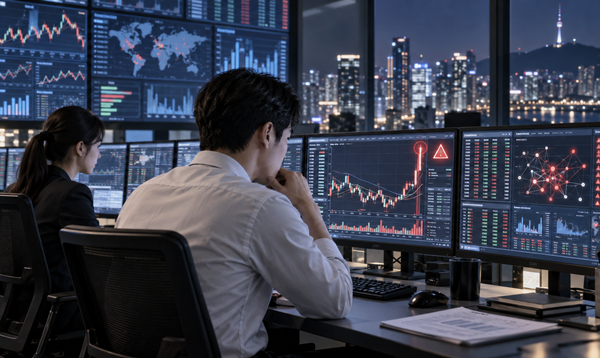
Even if the market operates stably, the temptation for illegal activities such as market manipulation or fake orders is bound to increase with the emergence of a new trading time slot. In response, the Market Surveillance Committee of the Korea Exchange has taken decisive action to preemptively block all unfair trading that may occur during night hours. First, it significantly extended the time for preventing and detecting unfair trading and activated an integrated night monitoring system that combines and analyzes trading records from both the regular market and the After-Market. In particular, it launched an “After-Market Special Monitoring Task Force” composed of nine elite personnel renowned in surveillance, prevention, and short-selling. This special dedicated team will operate temporarily until the end of this year and is expected to monitor every corner of the night market with eagle eyes. A tight net has been cast to ensure that any attempt by illegal forces to manipulate stock prices under the cover of darkness is caught immediately.
The exchange plans to closely monitor the market situation and the trend of illegal trading detections, and extend the operation period of the special monitoring team if necessary. This serves as a clear warning to the market that one should not think regulatory oversight will be lax for trades conducted late at night. In fact, past tactics where organized groups targeted quiet late-night hours to manipulate order books have become difficult to execute due to the current structure. Since regular market data and night data are cross-verified in real time, warning lights will turn on immediately when abnormal signs are detected. For investors, the existence of such a thorough surveillance network itself serves as a reliable pillar that enhances trust in the market. It is a source of fear for illegal forces but the strongest safety net for honest investors.
The exchange is operating a special monitoring team composed of nine elite personnel through the end of the year to thoroughly crack down on unfair trading in the night market.
5. Benefits for Investors and Points to Note
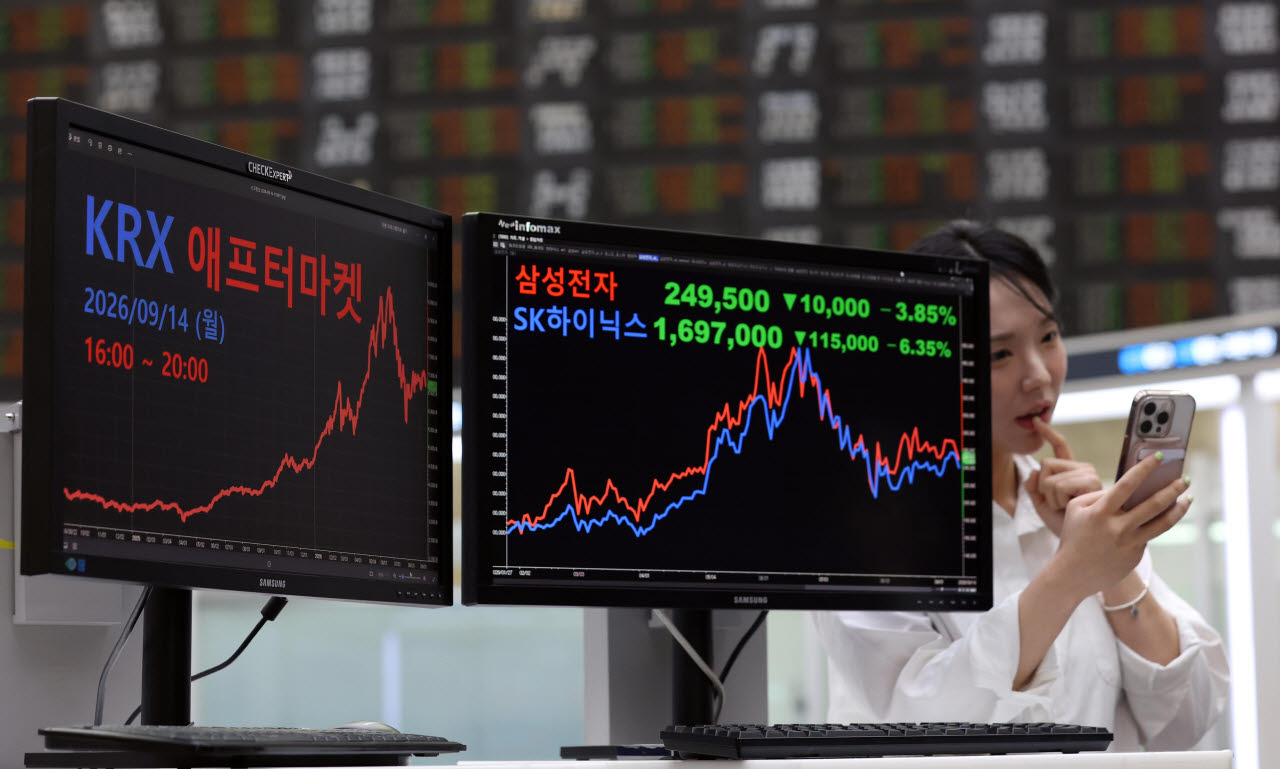
For people busy with their livelihoods during the day, such as office workers and self-employed individuals, the opening of this After-Market is nothing short of a godsend. This is because they can now check corporate earnings announcements released that day in real time and reflect them in their trades immediately, whether on the subway commute home or lying in bed before sleep. The frustration of pacing around after the regular market closes, waiting for the next morning when unexpected external negative news breaks during the day, has been completely resolved. They now have the physical time to leisurely review their accounts in the evening, readjust their portfolios, and calmly plan their strategies for the next day. For modern people for whom stock investing is a hobby and a means of creating a second income, it is hard to find a more welcome regulatory improvement.
However, diving into night trading without caution can lead to unexpected losses, so several precautions must be kept in mind. For stocks with relatively low trading volume compared to daytime, order book gaps may occur, leading to slippage where trades are not executed at the desired price. Additionally, news or information released in the evening is likely to be an unexpected variable after the regular market close, which can easily encourage impulsive trading. Therefore, rather than being swayed by emotions and impulsively pressing the buy button, the wisdom to calmly assess the intrinsic value and fundamentals of the company is needed. Although the exchange is operating a thorough monitoring system, the ultimate responsibility for protecting one’s precious assets lies entirely with the investor. As a new arena of opportunity has opened, the key to successful night investing is approaching it with thorough analysis and a cool-headed mindset.
As the convenience of night trading increases, a wise investment attitude that guards against order book gaps and impulsive trading is essential.
6. Future Outlook and Establishment of a Healthy Investment Culture
The KRX After-Market can be evaluated as a very important milestone in the process of the Korean capital market advancing to a higher level of sophistication. The influx of massive capital exceeding 1 trillion won daily from the very first week of opening is proof of the abundant potential liquidity in our market. If the participation ratio of foreign and institutional investors gradually increases, the night market will develop a much deeper and more robust structure than it currently has. The exchange also plans to complement system deficiencies and further strengthen investor protection devices in line with market growth. Everyone knows that only when a transparent and fair trading order is established can the market truly leap forward into an advanced market.
In conclusion, the operation of this special monitoring task force is a key to instilling investor trust in the new market, going beyond simply cracking down on illegal activities. For a healthy investment culture to bloom in a market that is open day and night, it must be supported not only by the exchange’s surveillance but also by the mature consciousness of participants. It is most important to approach investing from a long-term perspective, trusting in corporate value, rather than engaging in excessive speculation driven by unverified rumors. If you are monitoring the night market on your smartphone tonight, we hope you will use thorough analysis and cool judgment as your weapons. We sincerely hope that the Korean stock market will transform into a transparent marketplace where one can always invest with confidence, free from the shadow of unfair trading.
When thorough market surveillance and a healthy investment culture come together, the After-Market will leap forward into a true advanced market.
Frequently Asked Questions
=