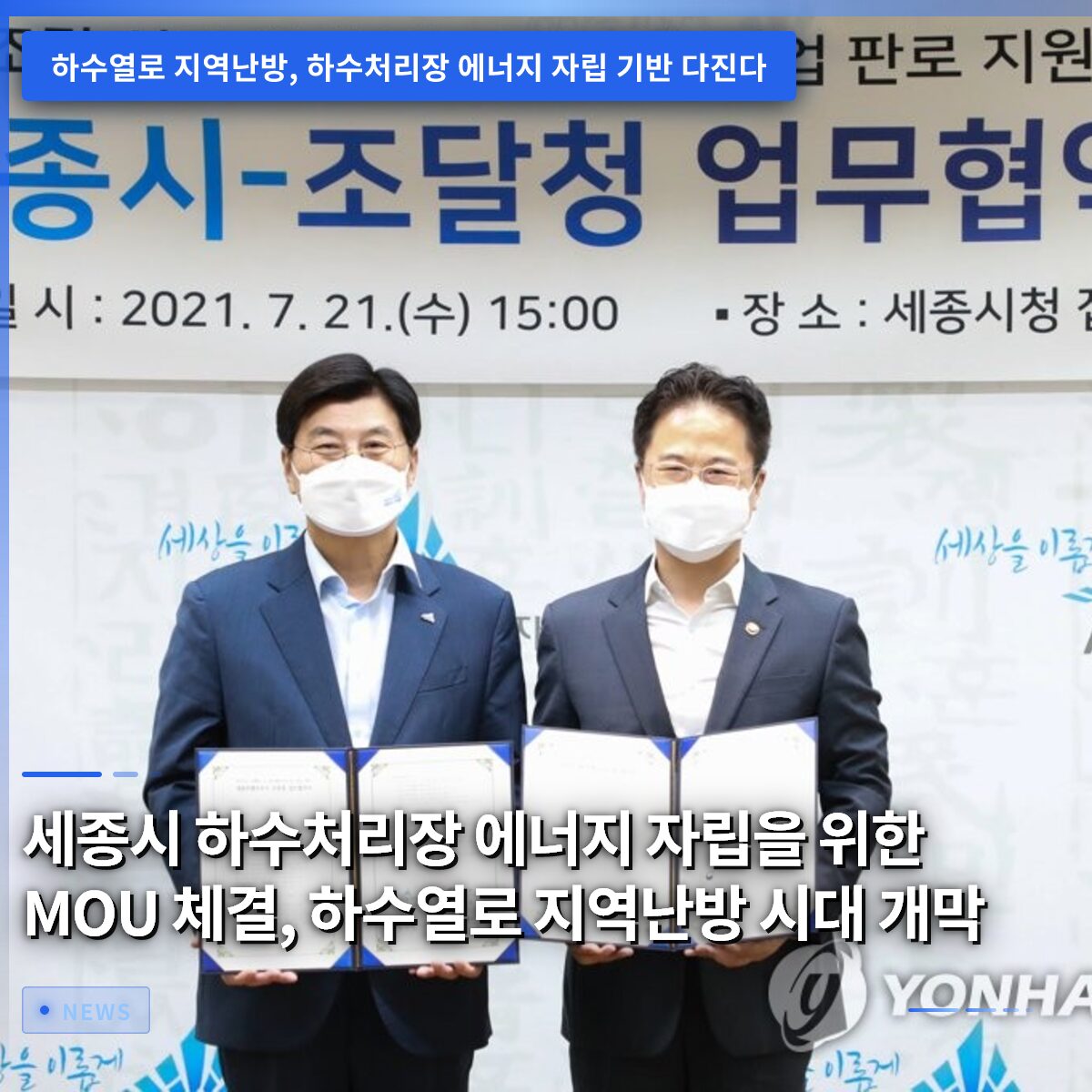
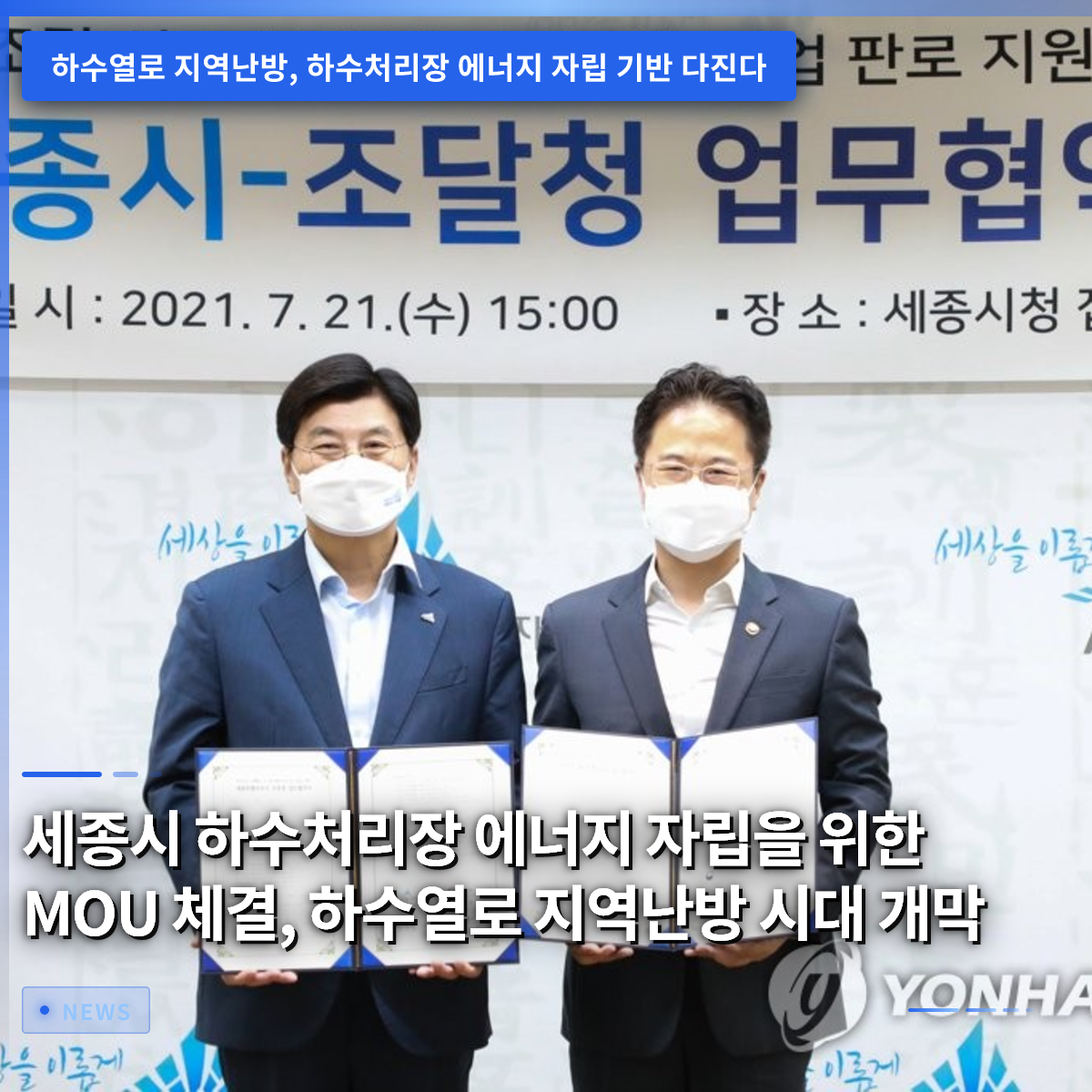
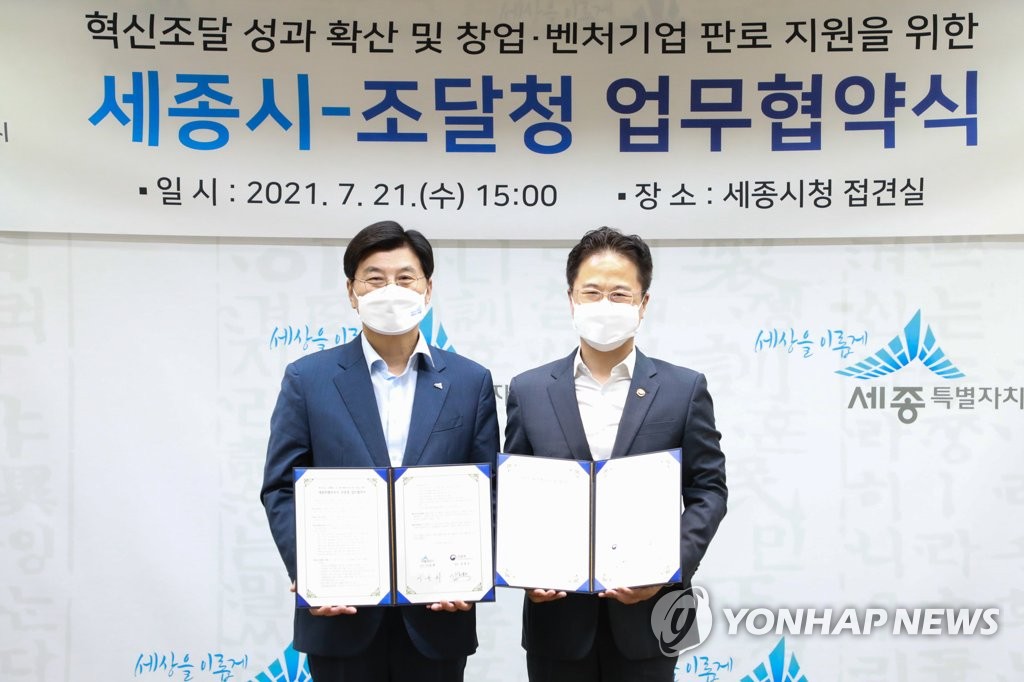
It begins with utilizing the heat and gas discarded from sewage treatment plants to gift a warm winter to nearby villages. The Ministry of Environment, together with Sejong Special Self-Governing City and Korea District Heating Corporation, signed a memorandum of understanding on September 28 to actively utilize the sewage heat and biogas generated at the Sejong Water Quality Restoration Center. This agreement stems from the goal of realizing energy self-sufficiency by recognizing that sewage treatment facilities operate 24/7 and consume significant energy, and by recycling that energy for district heating. At the signing ceremony, the three parties planned to generate electricity using biogas and connect the waste heat from power generation with sewage heat to supply 1 Gcal of heat per hour to district heating. Through this, Sejong City is expected to gain approximately 4.5 billion won in direct and indirect benefits annually, while Korea District Heating Corporation anticipates benefits of about 200 million won. The government plans to support related policies and systems to expand the utilization of sewage heat. Such efforts to convert discarded resources into new energy are expected to play a major role in the transition to eco-friendly energy and the revitalization of the regional economy. In this article, we will explore the significance of the agreement, technical feasibility, expected effects, institutional support, and future prospects in detail.
=
MOU Signed for Energy Self-Sufficiency at Sejong Sewage Treatment Plant: Era of District Heating via Sewage Heat Begins
1. Eco-Friendly District Heating Using Sewage Heat and Biogas
Sewage treatment facilities process an average of approximately 59,000 tons of sewage per day, and the heat generated during this process is known as “sewage heat.” Until now, this sewage heat has been discharged into the atmosphere with almost no utilization. The recently signed agreement aims to utilize this previously unused heat along with the biogas generated during the sewage treatment process. Biogas is a gas produced through anaerobic digestion, which can be burned to generate electricity, and the waste heat generated during this process can also be reused for heating. The Sejong Water Quality Restoration Center processed an average of 59,000 tons of sewage per day last year. If fully utilized, this can recover approximately 105,000 gigacalories (Gcal) of heat annually. This corresponds to the amount of heat required for approximately 17,000 households for one year. Heat supply of this scale is sufficient to provide warm energy to many households and public buildings in Sejong City. Technically, by linking biogas power generation equipment with a sewage heat recovery system, it is possible to produce 1 Gcal of heat per hour. This is directly connected to the district heating pipe network, enabling immediate heating supply. Additionally, the waste heat generated in this process can be further utilized through a sewage heat exchanger, further enhancing energy efficiency. This technology has already been verified through pilot projects in other countries, and high efficiency can be expected when applied to domestic conditions. Eco-friendly heating using sewage heat and biogas offers multiple advantages, including reducing greenhouse gas emissions, lowering dependence on fossil fuels, and alleviating the energy cost burden on local communities.
Sejong City and Korea District Heating Corporation are responsible for administrative and technical support, respectively. Sejong City will provide the pilot project site, biogas, and treated wastewater, and streamline various permitting procedures to accelerate the project. Korea District Heating Corporation will be in charge of building facilities to link sewage heat and power generation waste heat with the district heating network, sharing technical support and operational know-how. The two institutions plan to sign additional practical agreements to discuss specific implementation plans. The Ministry of Environment has already completed legislative amendments to expand the utilization of sewage heat as part of its policy support. Accordingly, public waterworks management offices must mandatorily review the potential for sewage heat utilization for sewage treatment facilities with a daily processing capacity of 5,000 m³/day or more. Furthermore, the calculation of energy self-sufficiency rates now includes heat supplied externally, such as for district heating, allowing for an accurate assessment of actual energy savings. These institutional changes are expected to encourage other local governments to actively utilize sewage heat in the future. The pilot project is scheduled to break ground in the first half of 2027, with actual heating supply beginning in the second half of 2028. The success of the pilot project is expected to expand nationwide, contributing significantly to achieving South Korea’s energy self-sufficiency goals. Key Point: Close cooperation between local governments and public enterprises drives technological development and institutional improvement, which will lead to the nationwide spread of energy self-sufficiency.
By utilizing sewage heat and biogas simultaneously, the system maximizes energy production efficiency and ensures stable supply to district heating.
2. Economic Benefits and Environmental Advantages
If Sejong City receives heat produced by the Sejong District Heating Company, it is expected to gain approximately 4.5 billion won in direct and indirect benefits annually. These benefits include fuel cost savings as well as the acquisition of carbon credits from reduced greenhouse gas emissions. Korea District Heating Corporation can also expect benefits of about 2 billion won, stemming from improved operational efficiency. From an environmental perspective, this project is also very positive. Utilizing sewage heat and biogas can significantly reduce the amount of greenhouse gases emitted from fossil fuel power plants. Producing approximately 105,000 Gcal of heat annually and supplying the energy needed to heat about 17,000 households is equivalent to a CO₂ reduction effect of approximately 30,000 tons per year. These environmental effects contribute to achieving the government’s carbon neutrality goals and serve as a good example for companies pursuing ESG management. Additionally, stable heating supply within the region will increase residents’ satisfaction with their quality of life and have a positive impact on attracting external investment. Citizens can feel that their local sewage treatment plant is contributing to regional energy production, which also has an educational effect of raising awareness about environmental protection. In fact, similar waste heat utilization projects are already underway in Sejong City and have received great response from residents. This has created a virtuous cycle where energy costs are reduced and the regional economy is revitalized. This success story will spread to other local governments and will become a model for sustainable urban energy in South Korea.
Economic benefits and environmental protection are realized simultaneously, contributing to improving the quality of life in local communities.
3. Specific Implementation Plans for the Pilot Project

First, biogas power generation equipment will be installed to produce approximately 2,000 kWh of electricity per day. The waste heat generated during this power generation process will be primarily linked with the sewage heat recovery system to supply 1 Gcal of heating heat per hour. Additionally, the installation of heat exchangers for direct utilization of sewage heat is being promoted, which will raise the temperature of the sewage for heating purposes. In this process, advanced heat exchanger technology will be applied to maximize the energy recovery rate. Furthermore, the generated electricity and heat are planned to be supplied to apartment complexes, schools, and public facilities in Sejong City through the pipe network. To build the supply network, existing district heating pipes will be connected with new pipes, and a smart control system will be introduced to improve supply efficiency. The smart control system will predict demand in real-time to adjust production levels and minimize energy waste. Along with this, energy education programs for residents will be operated to inform them about how energy produced at the sewage treatment plant creates warmth for the community. The education programs will be held at schools and local community centers, encouraging participation through experiential content. The pilot project is scheduled to break ground in early 2027, with the goal of establishing a complete supply system by the end of 2028. To achieve this, the government has pledged related budget support, and local governments will proceed with administrative procedures swiftly. These specific plans will enable the district heating project using sewage heat to move beyond a simple pilot and establish itself as a practical energy source.
The pilot project is realized as a practical heating solution through specific technologies and supply networks.
4. Institutional Support and Expansion Strategy
Prior to this agreement, the Ministry of Environment revised the “Guidelines for Formulating Basic Sewerage Plans,” mandating that sewage treatment facilities with a daily processing capacity of 5,000 m³/day or more must review the potential for utilizing sewage heat. This is an important measure that establishes an institutional foundation for sewage heat utilization. Additionally, the calculation of energy self-sufficiency rates now includes not only energy consumed internally by the facility but also heat supplied externally, such as for district heating, allowing for an assessment of actual energy savings. These institutional changes are expected to encourage other local governments to actively utilize sewage heat in the future. The Ministry of Environment also plans to establish a “Sewage Heat Utilization Subsidy” to support facility improvement costs by up to 30%. Along with this, education programs will be operated to train specialized personnel, ensuring that sewage heat-related technologies are managed safely. This subsidy will be prioritized for facilities participating in the pilot project, with additional support possible based on performance. Going forward, the government plans to conduct regular status surveys to check the current state of sewage heat utilization and supplement regulations as necessary. This policy backing will accelerate the transition to eco-friendly energy using sewage heat. If the pilot project is successful, the Ministry of Environment will formulate a comprehensive plan to expand it nationwide and prepare customized support measures for each local government.
Government institutional support and financial incentives drive the expansion of sewage heat utilization.
5. Achievements and Challenges of the Pilot Project

The biggest achievement of the pilot project is the ability to recover approximately 105,000 Gcal of heat and supply it to about 17,000 households. This is equivalent to a CO₂ reduction effect of approximately 30,000 tons per year and will significantly improve the energy self-sufficiency rate. Additionally, the technology linking biogas and sewage heat is evaluated as a model that can maximize energy efficiency. By cooperating to provide administrative and technical support, Sejong City and Korea District Heating Corporation are ensuring the project proceeds swiftly. As a result, the expected economic benefits amount to several billion won annually, which will also contribute to revitalizing the regional economy. However, there are several challenges. First, the initial investment cost is relatively high. To overcome this, the government plans to expand financial support and attract private investment. Second, long-term monitoring is necessary to ensure technical reliability. System stability will be verified through continuous data analysis. Third, resident acceptance is important. Understanding and cooperation from residents must be gained through accurate information provision and education programs. To resolve these challenges, the government plans to collaborate with relevant ministries to build a comprehensive support system. The successful operation of the pilot project will provide a model for other local governments, promoting nationwide expansion.
It is necessary to analyze achievements and challenges to seek continuous improvement measures.
6. Future Prospects and Actions Readers Can Take
Through this MOU signing, district heating using sewage heat has entered the practical application stage, which will be a major milestone in South Korea’s energy transition roadmap. It is expected that similar projects will be promoted at more than 30 sewage treatment facilities nationwide within the next five years, contributing to improving the national energy self-sufficiency rate. With technological advancements, the efficiency of sewage heat recovery will continue to improve, and the energy management system will become more sophisticated through integration with smart grid technology. Additionally, this project is expected to contribute to creating new jobs in the renewable energy sector. Specialized personnel will be needed in various fields such as construction, operation, and maintenance, and related education programs will be expanded. Readers can seek ways to actively utilize energy produced by local sewage treatment facilities. For example, they can recommend the use of heat supplied by such facilities or submit policy suggestions to local governments. Furthermore, by sharing information about the eco-friendly energy transition using sewage heat on social media, they can contribute to raising awareness. The more widely these attempts to protect the environment while creating economic benefits are known, the more local communities will participate. The journey to create a sustainable energy future through cooperation among the government, businesses, and citizens will continue.
Readers can bring the eco-friendly future closer by taking an interest in regional energy transition and engaging in practical actions and social diffusion.
Frequently Asked Questions
=