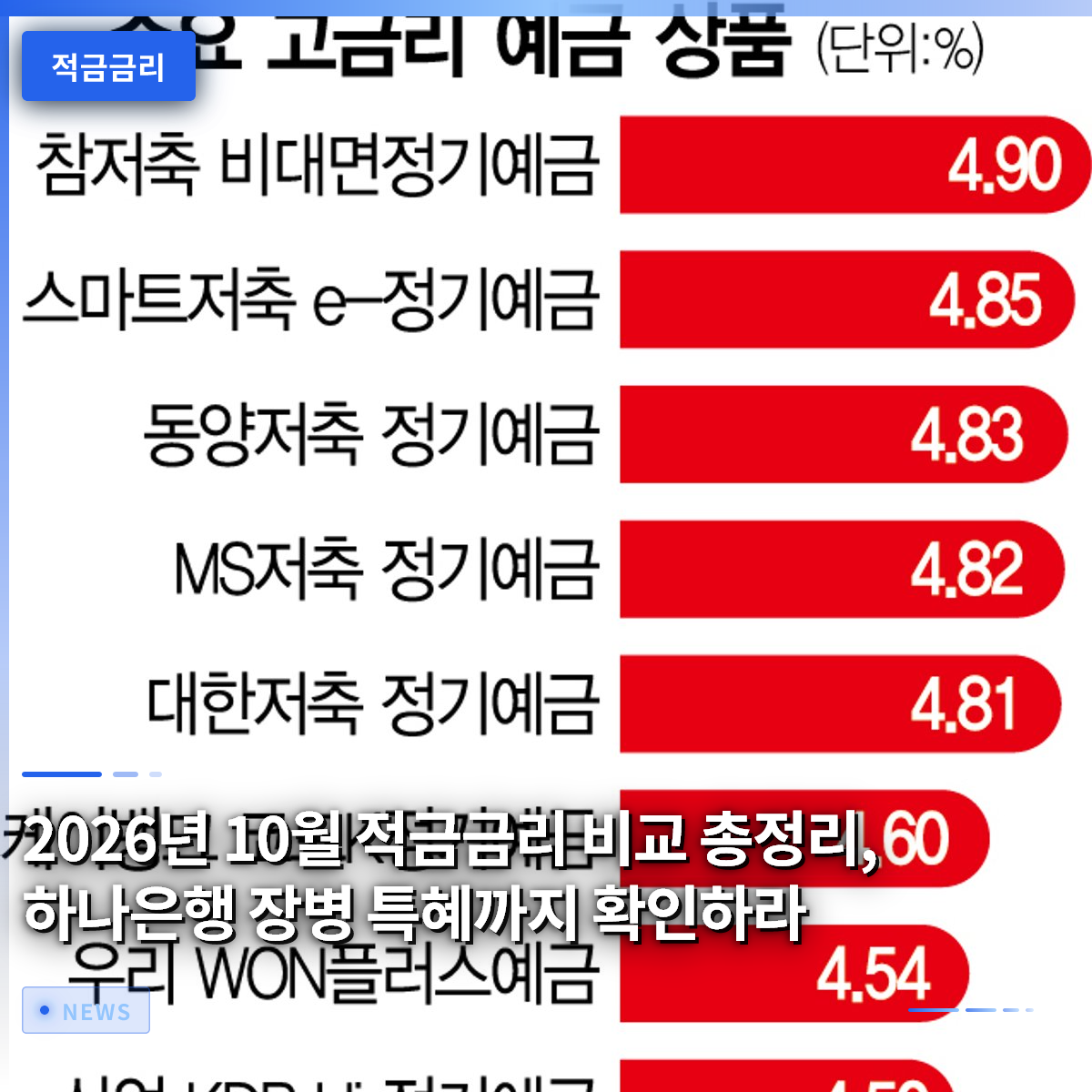
As of October 2026, military personnel can enjoy an exceptional interest rate of up to 10.6% annually through savings products linked to the Hana Bank “Nara Sarang” (Love for the Nation) Card. While standard commercial savings rates generally remain in the 2% to 3% range, the existence of such specialized products can be a critical variable that completely transforms one’s savings strategy. Recently, to mark the National Armed Forces Day, Hana Bank has drawn significant social attention by offering a wide array of differentiated financial and lifestyle benefits to customers who apply for the Nara Sarang Card. Rather than rushing in based solely on the interest rate figures, it is paramount to select a product that aligns with your specific status and existing asset structure. In this article, we will delve into the actual interest rate levels and application conditions of the major savings products currently generating buzz in the market. In particular, those in their youth or currently serving in the military should carefully review the detailed preferential conditions that are often overlooked.
=
October 2026 Savings Interest Rate Comparison: A Complete Guide, Including Hana Bank’s Special Benefits for Military Personnel
1. Hana Bank’s Military Personnel Future Preparation Savings: Why is 10.6% Annual Interest Possible?
The maximum annual interest rate of 10.6% for the Military Personnel Future Preparation Savings product recently announced by Hana Bank far exceeds the rates accessible to general customers. This is not merely a savings function but a result that strongly reflects the nature of social finance, where the state supports the welfare and future of military personnel. To mark the National Armed Forces Day, Hana Bank launched this product as a centerpiece, bundling it with non-financial benefits such as an additional 50,000 KRW discount on CU convenience store promotional items and a 5,000 KRW discount on delivery services. Thanks to this combined benefit structure, military personnel have a rare opportunity to catch two rabbits at once: cash discounts and high interest income. It is crucial to be aware of the regulations regarding monthly deposit limits and terms, as failing to understand these details can result in not receiving the maximum interest rate. For instance, if a friend serving in the same unit knows about this information first and saves a large amount, while you simply leave your money in a standard savings account, you could suffer a significant loss.
As a preferential product exclusive to military personnel, the combination of an ultra-high interest rate of 10.6% and lifestyle discount benefits is its core competitiveness.
2. Current Status and Comparative Analysis of General Commercial Bank Savings Rates
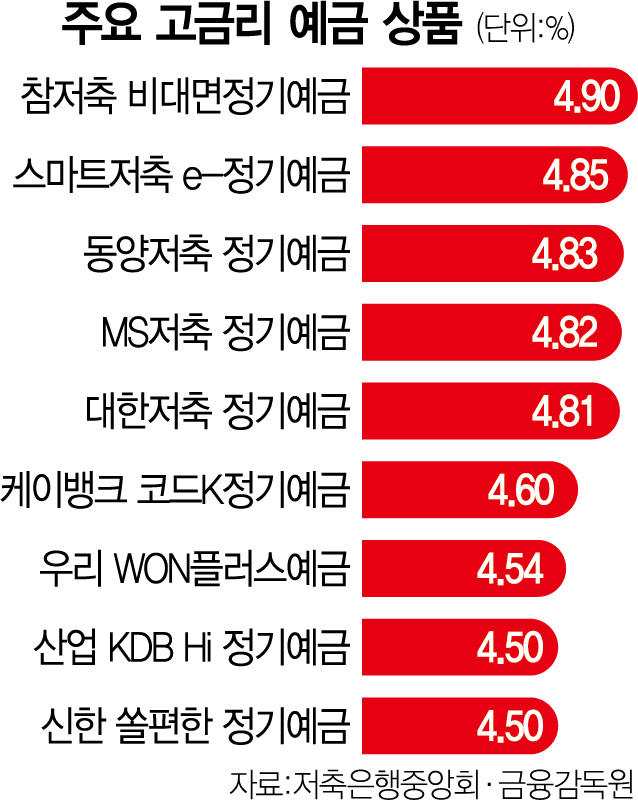
Even excluding special products for military personnel, the standard flexible savings rates at commercial banks as of October 2026 remain sluggish. The base rates at most institutions, including the four major commercial banks, fluctuate between 1% and 2%, and it is difficult to exceed 3% even when meeting preferential conditions. This is interpreted as a result of the complex interplay between the trend of base interest rate freezes and hikes over the past few years and the pressure on market funding costs. Readers may easily feel a vague anxiety, asking, “Isn’t it hard to save a lump sum with such low rates?” However, in reality, the cumulative effect of slight interest rate differences between products manifests significantly. Even if you save 500,000 KRW monthly for a year, the difference between an account with a 3% rate and one with a 1% rate can amount to the cost of several months’ worth of magazines or pocket money. Therefore, when opening a new account, you should actively utilize the interest rate comparison features within banking apps or meet directly with bank staff to negotiate rates.
In the reality of low interest rates for general savings, the slight differences between products and the fulfillment of preferential conditions determine the actual financial benefit.
3. Differences from the Youth Future Savings Account and Switching Strategies

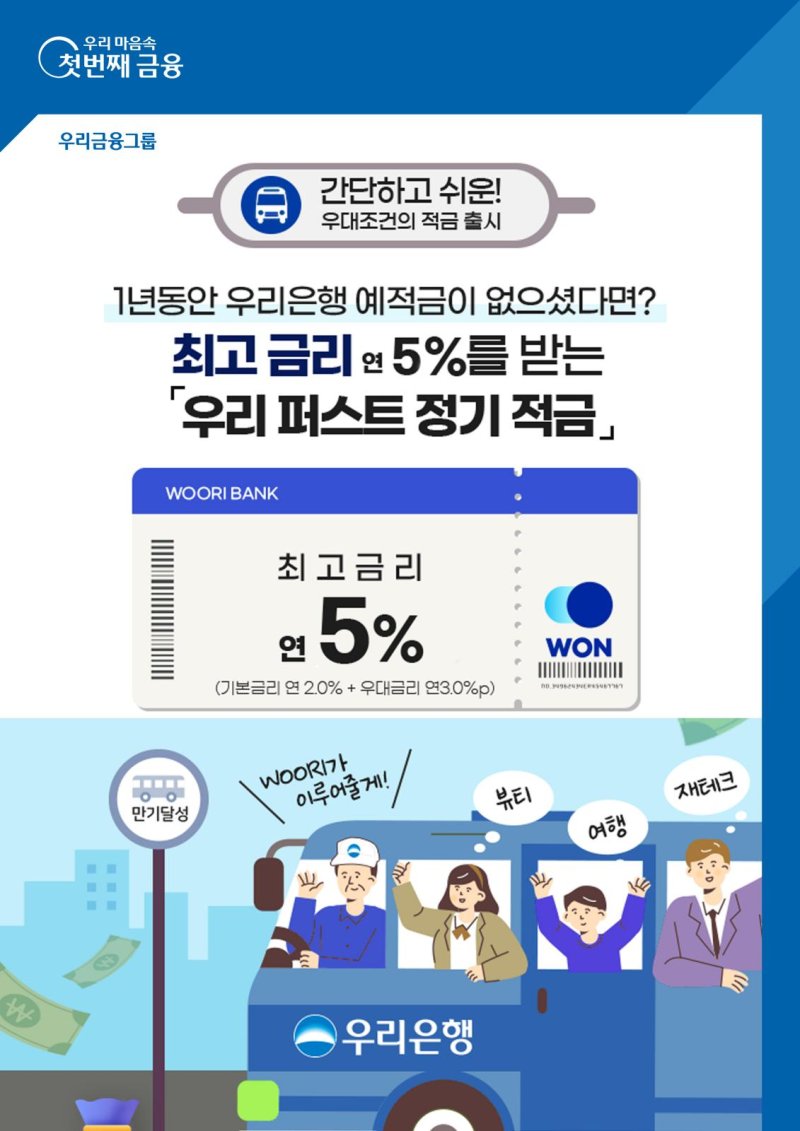
The Youth Future Savings Account offers a substantial actual receipt amount when including government contributions, but it comes with entry barriers such as income limits and employment duration requirements. The eligibility criteria fluctuated significantly depending on whether the income standards raised during the second recruitment round were revoked. Therefore, if your annual salary is near the fluctuating threshold, it is essential to re-check internal regulations and government announcements before applying. Cases where applicants are rejected for failing to meet eligibility requirements, despite only looking at the monthly deposit cap of 500,000 KRW, are not uncommon, making a pre-application self-checklist mandatory. If you are eligible, moving funds from a general savings account to this product, which reduces the tax burden, can be a rational choice. Conversely, if you find it difficult to meet the income criteria, you should look toward specialized preferential products like Hana Bank’s or high-interest bridge products. A strategy of managing both products simultaneously—where eligible individuals use the Youth Future Savings Account and those who are not use specialized high-interest savings accounts—may be the optimal solution.
You must clearly distinguish between general savings and the Youth Future Savings Account based on two axes: the presence of government contributions and income restrictions.
4. Profit Simulations by Specific Examples and Hidden Variables
Looking at specific figures, the difference between an annual rate of 10.6% and a standard 2% creates a gap of several million won after three years. For example, assuming you save 300,000 KRW monthly for three years, the interest income alone from an ultra-high-interest product could cover the cost of several team dinners. In contrast, with a standard product, the interest rate barely stays below the inflation rate, making the increase in real purchasing power feel negligible. A crucial variable here is the condition for early termination, which involves a reduction in the number of deposits or penalties for breaking the contract. Banks treat early withdrawals extremely unfavorably in exchange for higher interest rates, so it is best to clearly separate money you might need urgently from money that must be locked in for the savings term. A recent example involves a case where an individual, during their job search, withdrew funds from a savings account incurring early termination penalties, then searched for a higher-interest product the following month, ultimately losing the profits from the initial six months.
A fund allocation strategy that considers both the profit gap confirmed through mathematical simulation and the loss risk associated with early termination is necessary.
5. Analysis of the Synergistic Effect of Combining Lifestyle Benefits with Financial Products
The era of focusing solely on interest rates is over. Recently, banks have promoted discounts such as 50,000 KRW off CU convenience store products and 5,000 KRW off delivery services, which are as attractive as the savings interest rates themselves. For the MZ generation (Millennials and Gen Z), who use convenience stores 2-3 times a month or frequently use delivery apps, these cashbacks are often felt more tangibly than actual interest income. In the case of Hana Bank, they offer up to 10 integrated benefits for new Nara Sarang Card issuers, encouraging customers to apply for the card and open a savings account simultaneously. This is a rigorous process to increase customer loyalty and can be seen as a strategy to analyze consumption patterns and guide customers toward the most cost-effective spending behaviors. Readers should open their monthly spending statements, identify where the highest expenses occur, and then select a savings product with corresponding discount benefits. Whether a pure high-interest product without discounts or a mid-interest product with discounts is more advantageous depends on individual consumption tendencies.
A multidimensional approach that evaluates total returns by converting card-linked discount benefits, in addition to interest rates, is the key to maximizing gains.
6. Interest Rate Outlook for the Second Half of 2026 and the Optimal Timing for Enrollment
The macroeconomic situation in the second half of 2026 still carries uncertainty, but marketing competition among major banks is heating up. Since commercial bank deposit and savings rates react sensitively to the central bank’s monetary policy direction, it is essential to cultivate the habit of monitoring quarterly interest rate readjustment trends. In particular, in the fourth quarter, the inflow of corporate performance bonus funds and the release of year-end tax-benefited products are likely to overlap, potentially making interest rate competition temporarily fierce. The Hana Bank military personnel products and products for youth groups mentioned earlier occupy a strategic position of first-mover advantage in this market trend. If a product has a specified enrollment deadline, readers must not miss it. It is safe to contact the bank’s customer service center before and after the deadline to confirm any interest rate changes. Based on the information reviewed today, it is recommended to call the bank app or customer service center tomorrow to receive a final design plan tailored to your conditions.
Managing quarterly interest rate volatility and product-specific enrollment deadlines is the final gate to maximizing savings returns in the second half of 2026.
Frequently Asked Questions
=