First, keep in mind that more than half of insurance payment rejections stem from what might seem like simple document omissions or formatting errors. Most readers easily fall into the misconception that portal-based claim systems like ‘Silson24’ will automatically resolve all issues. However, we must face the reality that even though the electronic claim ratio reached 74% as of 2026, some insurance companies have declared a suspension of data reception, leading to an increase in paid services or limited processing. This is particularly critical for nursing care insurance, where proof of meeting the criteria specified in the policy terms and evidence of actual nursing care service usage are essential. If family members provided the care directly, the difficulty of proving this is very high. It does not end with simply submitting a receipt; without a coherent evidence system including medical records and admission/discharge confirmations, delays in review are inevitable. Today, I will specifically guide you through the core document preparation methods that can actually move insurance companies and practical response strategies based on real-world cases, amidst these conflicting field situations.
=
Alert on Missing Insurance Claim Documents! What You Still Need to Check in the Era of Silson24 Electronic Claims
1. Mandatory Submission Lists by Document Type and Analysis of Deficiencies

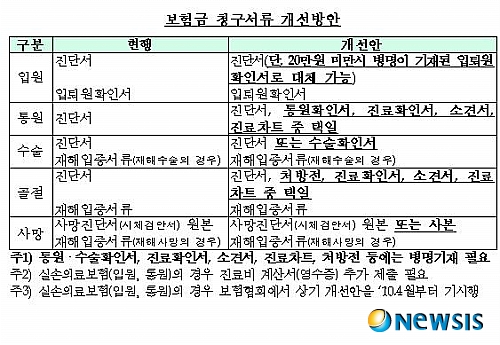
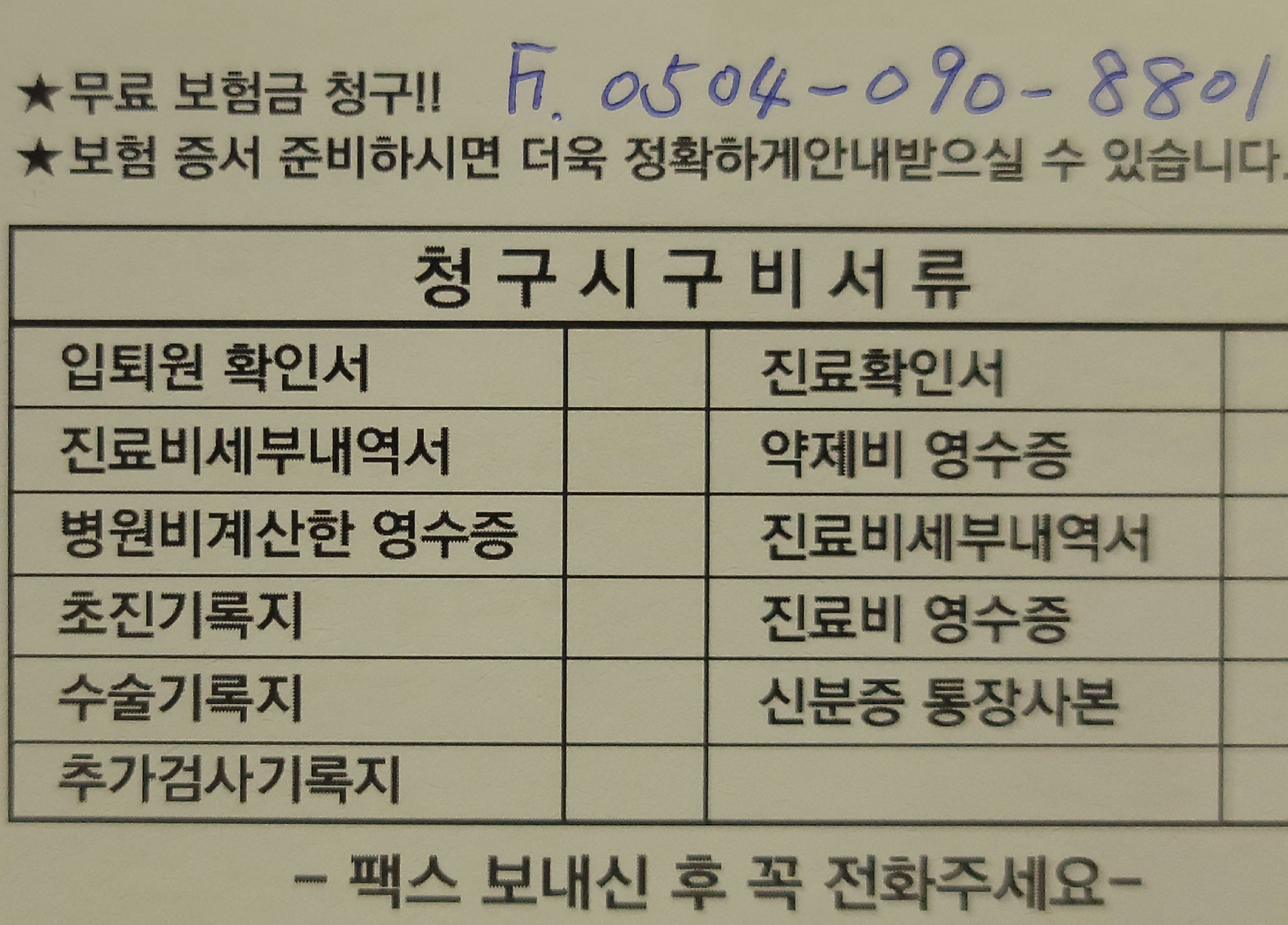
The scope of documents required varies dynamically for each insurance contract, and since basic documents are often overlaid with situation-specific special documents, meticulous verification is necessary. Even incidents that appear to be simple outpatient visits can lead to additional document requests due to occasional omissions of prescriptions or detailed calculation statements, resulting in payment delays of 2 to 3 weeks in many cases. For example, if you recently saw a review of an orthopedic department at a nearby hospital, you might be asked to separately submit documents specifying the hourly calculation details when claiming laser treatment costs. There is an essential difference between the hospital saying they will “guide you on the documents” and the insurance money actually being paid, so you need to adopt an attitude of independently checking the enrollment period and whether deadlines have passed. Just as delays in organizing vehicle ownership can hinder the selection of a scrapyard, administrative delays in insurance claims can directly lead to financial losses. Therefore, it is essential to read the policy terms line by line before claiming, create a checklist of documents tailored to the specific type of incident, and fill in any missing parts.
Creating multi-document checklists tailored to the incident type and policy terms, and establishing a system to prevent omissions
2. Confusion Arising from the Coexistence of Spreading Electronic Claims and Paper Documents
According to Gnet statistics, cumulative Silson claims reached 4.35 million cases by the third quarter of this year, with the proportion of electronic claims increasing exponentially. The convenience of consumers not having to obtain paper documents, with medical institutions electronically transmitting their data, was an undeniable innovation. However, with recent suspensions of data reception by some insurance companies’ private systems, the range of insurance companies eligible for claims through certain partner channels is shrinking, or paid services are being introduced. This regression disrupts the consistent experience users have grown accustomed to and ironically leads to the revival of outdated methods like fax or mail. The gap between promotional messages like “Done in 1 minute” (similar to Silson24 ads) and the reality of “additional document requests” in the field is fueling consumer dissatisfaction. Amidst criticism that the government is entangled with private insurance administration, insurance companies are clearly trending toward strengthening individual requirements, making it wise to reduce reliance on a single channel.
Emphasizing the risks of over-reliance on electronic claims and the need for countermeasures against changes in communication environments
3. Proof Conditions and Countermeasures for Family Nursing Care Insurance
Nursing care insurance where family members directly care for the patient requires zero-based evidence that is difficult to substitute with work schedules or volunteer activity records, unlike commercial paid nursing care. The typical logic of review boards is that an admission confirmation issued by a medical institution alone cannot fully prove that “substantial nursing care activities took place.” In such cases, nursing care expense statements written by family members or visitation and care records based on hospital cooperation play a decisive role as a bulwark. The likelihood of approval increases when supplementary explanatory materials, such as detailed logs recording reduced missed calls and visit frequency, or confirmation letters from local residents or neighbors, are added. If you look into court precedents or the definitions in insurance policies, strict criteria exist to distinguish between “financial support” and “physical care.” Therefore, you should prepare nursing care-related evidence simultaneously with medical expense claims, and if necessary, seek expert help to invest effort in writing an explanation with logical integrity.
Strategy for utilizing supplementary explanatory materials to secure objective evidence for informal care activities
4. Verification of Medical Record Consistency and Administrative Risk Management
As health authorities strive to detect inadequate medical records, discrepancies between reported bed and operating room information and actual anesthesia records and claim data escalate into serious administrative risks. As pointed out by Representative Huh Jong-sik, if substantive operations are conducted in spaces officially closed on paper, problems may arise when claiming accident insurance benefits. Insurance companies, aware of this opacity in the medical sector, are introducing systems to strengthen the linkage between claim data and source medical data. From the consumer’s perspective, maintaining consistency between the contents of National Health Insurance claim data and private insurance claim documents is the most basic line of defense. For example, claiming outpatient items as inpatient or disguising non-covered items as covered items can lead to demands for refunds or criminal issues later on. Due to the nature of in-hospital information security systems, data discrepancies are prone to occur, so you must always go through the procedure of cross-checking the original receipts received after claim completion with the electronic data.
Pre-emptive blocking of administrative risks and building trust through securing medical data integrity
5. Legal Mechanisms for Power of Attorney Documents and Personal Information Protection
Insurance benefit claims by family proxies may face restrictions on the scope of guidance or require additional power of attorney documents due to personal information protection principles. Even major insurance company call centers, such as Kyobo Life’s customer service center, fundamentally prohibit third parties from accessing detailed information without the rejection or confirmation of the policyholder. The summarized power of attorney required in such cases must clearly state the resident registration number, contact information, and proof of relationship, and must include signatures and seals without omission. Since it is not processed solely based on family intimacy, it is helpful to have standard forms with legal validity printed in advance. Additionally, the issue of electronic payment deadlines arising from proxy receipt is easy to overlook, so you should carefully check whether bank transfer confirmations are excluded. Failing to understand these legal mechanisms leads to wasted time from the consultation stage and can ultimately result in payment omissions or disputes, making prior education important.