By wisely utilizing your IRP (Individual Retirement Pension), you can build a secure retirement asset while enjoying tax deduction benefits of up to 9 million KRW annually. Many employees worry about facing a tax burden during the year-end tax settlement period, but preparing an IRP account in advance can help you save significantly on taxes. For example, by filling the limit in combination with a pension savings account, you can enjoy the joy of receiving a refund of several hundred thousand KRW. Recently, financial institutions have been drawing attention by offering various mobile gift card promotions for new subscribers and investment product management clients. In this article, we will take a detailed look at the types of pensions, tax deduction limits, early withdrawal conditions, and efficient methods for receiving pension benefits.
=
The Ultimate Guide to IRP Pension Tax Deduction Limits and Cancellation Precautions
1. The Concept and Necessity of IRP

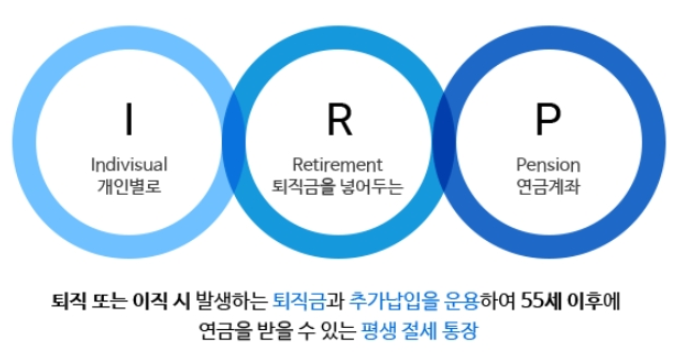
The pension system commonly referred to as a retirement pension involves a company accumulating funds with an external financial institution to be paid to the employee upon retirement. In the past, severance pay was often managed internally by the company, and it was frequent for employees to lose their funds if the company went bankrupt. However, under the Act on the Guarantee of Employees’ Retirement Benefits, funds are now safely accumulated with external financial institutions, allowing you to entrust your retirement with peace of mind. In particular, the IRP account is a useful tool that allows you to make voluntary additional contributions beyond the amounts deposited by your employer.
Many employees view this system simply as a bank account to receive money upon retirement, but it is actually a core pillar of active asset management. While working, you can voluntarily add funds to prepare for your retirement and invest in various financial products to generate returns. Looking at colleagues, it is not uncommon for people to neglect this while young, feeling that retirement is far in the future, only to regret it later. Therefore, to enjoy a comfortable life after retirement, it is essential to accurately understand the nature of this account and utilize it actively starting now.
IRP is an essential retirement asset management tool for employees, going beyond merely safekeeping severance pay.
2. Differences Between DB, DC, and IRP
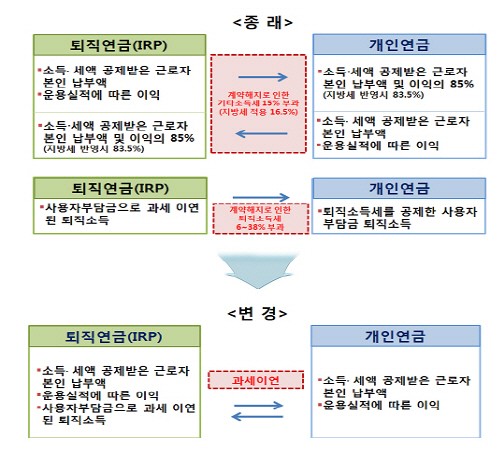
The pension system is broadly divided into Defined Benefit (DB), Defined Contribution (DC), and IRP, each with distinct characteristics. In a DB plan, the level of retirement benefits is predetermined, and the company bears the responsibility for investment returns. In contrast, in a DC plan, the company contributes at least 1/12 of the employee’s annual total compensation as a contribution, and the employee directly manages the funds to generate returns. Finally, an IRP is an account that receives the entire severance pay upon job change or retirement for management, or where an individual makes additional contributions to manage the funds.
Clearly understanding these three structures is necessary to devise strategies to minimize taxes and maximize returns at retirement. For example, if you are managed under a DC or DB plan by your company, the funds are transferred to a personal account upon retirement by law. If you immediately withdraw your severance pay into a regular bank account to use it, you will face a heavy tax burden all at once, so caution is required. Therefore, it is wise to understand the pros and cons of each system and choose the method that suits your investment style.
DB, DC, and IRP differ in the managing entity and responsibility, so you must find the method that suits you.
3. Tax Deduction Limits and Tax-Saving Strategies
Every year-end tax settlement season, the biggest concern for employees is how much tax they can get back. Utilizing both a pension savings account and an IRP can yield significant tax-saving effects, yet surprisingly many people are unaware of this. While a pension savings account alone offers a tax deduction of up to 6 million KRW, combining it with personal contributions to a pension raises the total limit to 9 million KRW. Employees with a total annual income of 55 million KRW or less can apply a maximum deduction rate of 16.5%, resulting in a substantial refund of up to 1.485 million KRW.
If you have acquaintances who receive large tax refunds, they usually maximize their pension account contribution limits. By consistently contributing a fixed amount each month, you can receive a large refund at year-end and reinvest that money, creating a virtuous cycle. However, you should plan according to your income level to avoid financial strain in daily life by trying to fill the limit excessively. Tax deduction benefits are like a bonus given by the government to encourage retirement preparation, so you should never miss out on them.
By combining pension savings and IRP contributions up to 9 million KRW annually, you can enjoy a tax deduction benefit of up to 16.5%.
4. Early Withdrawal Conditions and Cancellation Precautions
Although this money is locked away for retirement, emergencies requiring large sums of money inevitably arise in life. Fortunately, early withdrawal is legally permitted when a non-homeowner employee purchases a house in their own name or needs to pay a deposit for a lease. Additionally, exceptions allow for withdrawal if you or a dependent family member requires long-term care for more than six months or if you are declared bankrupt. However, if you do not meet these legal grounds, canceling the account due to a change of heart or a need for urgent cash is strictly prohibited.
If you are forced to cancel the contract midway, you must not only return all the tax deduction benefits you received but also pay a heavy tax known as miscellaneous income tax. In reality, many young professionals who choose to cancel due to urgent financial needs often face a tax bomb and deeply regret it. Therefore, when funds are urgently needed, rather than canceling blindly, you should carefully check if the situation meets legal withdrawal requirements such as home purchase or medical expenses. To protect your valuable retirement assets, it is a wise choice to maintain the account unless the situation is truly dire.
Unless it is for legal reasons such as home purchase by a non-homeowner or long-term care, early cancellation incurs heavy taxes, so caution is required.
5. Pension Receiving Methods and Tax Deferral Effects
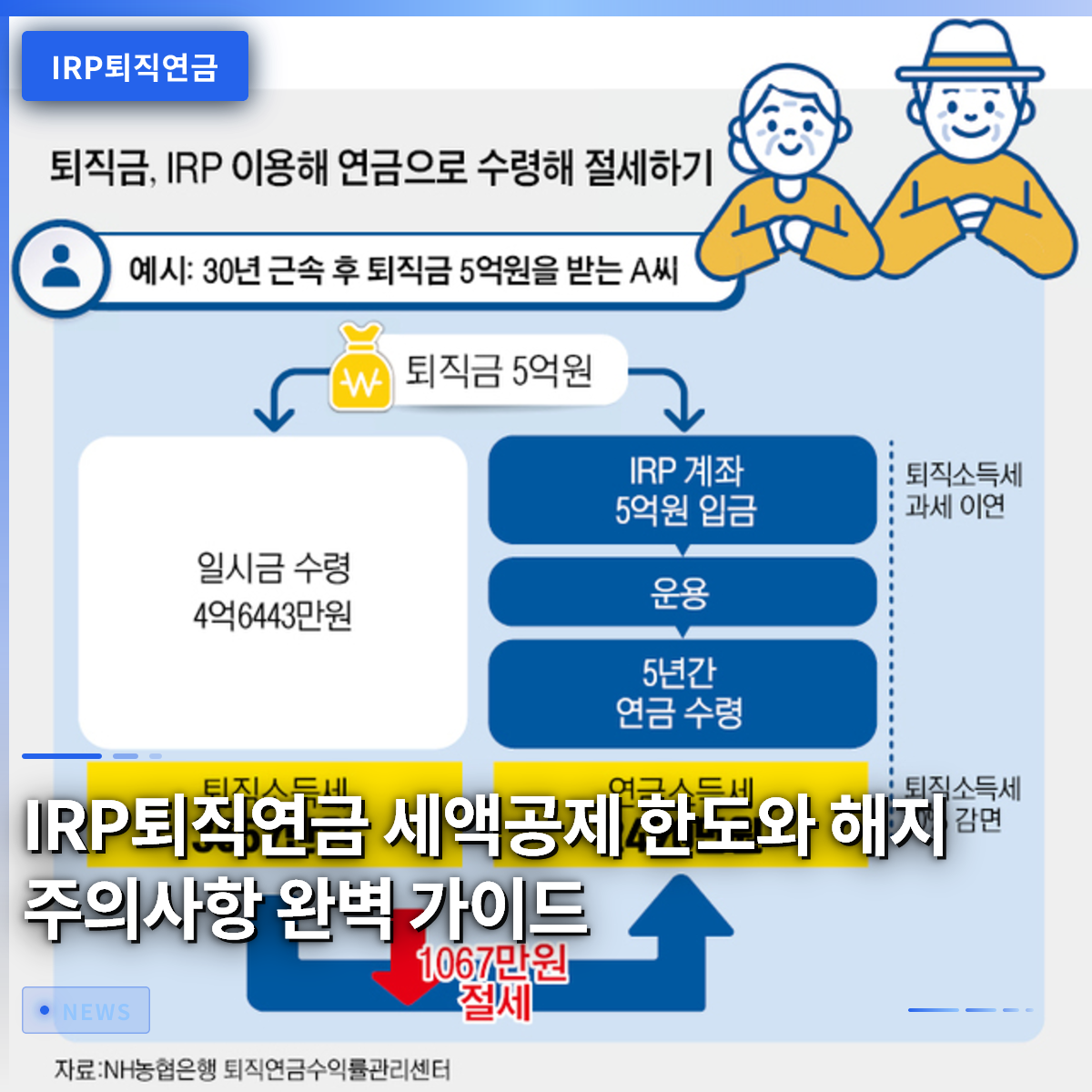
When you reach retirement age and withdraw your funds, receiving them as a pension in installments is much more advantageous from a tax perspective than receiving a lump sum. If you receive it as a pension after age 55, you will pay pension income tax set by the state, which applies a much lower rate than the general income tax rate. Furthermore, if you transfer your severance pay to a pension account instead of paying taxes immediately upon receipt, you can enjoy the benefit of tax deferral, where tax payment is postponed until withdrawal. This allows the principal to grow by the amount of deferred tax, maximizing the compound interest effect and greatly aiding asset growth.
For example, if you keep your severance pay in the account and manage it in funds or ETFs for decades without using it immediately, the returns will continue to grow. Since taxes are not deducted immediately from the annual investment returns but are paid later in installments at a very low rate when receiving the pension, the actual amount received increases significantly. Imagining a life where you receive a warm pension like a monthly salary after retirement makes the importance of retirement preparation feel urgent. The core of retirement planning depends not only on how much you save but also on how you receive it while saving on taxes.
Receiving benefits as a pension after age 55 applies a lower tax rate, and tax deferral allows you to enjoy compound interest effects.
6. Practical Strategies for Successful Retirement Preparation
As reviewed above, the IRP is not just a savings product but an essential tool for tax savings and retirement preparation for employees in South Korea. If you want to maximize your year-end tax settlement refund, you should immediately check your current contribution status and fill in any shortfalls. Recently, various financial companies are holding events such as mobile gift card giveaways for new subscribers and product management clients, so it is good to actively utilize them. Retirement does not come suddenly; only those who prepare steadily from a young age can welcome a comfortable retirement. Start with the small step of opening your account today and checking what products your funds are invested in.
Achieve both a stable retirement and generous tax-saving benefits through consistent contributions and wise product management.
Frequently Asked Questions
=