As anxieties surrounding disruptions to Saudi Arabia’s crude oil supply have eased, international oil prices have recorded a decline for the second consecutive day. It is as if the traffic jam that had weighed on the market suddenly cleared up, much like a sudden relief on a commute. The concerns over supply shortages that had been pressing down on the market have somewhat subsided. Major futures exchanges in London and New York saw crude oil prices close lower across the board, marking a brief pause in the action. This price drop is the result of Saudi Arabia’s swift securing of alternative supply chains and expectations for facility repairs. However, since military tensions in the Middle East have not been fully resolved, market participants have not yet let their guard down. In this article, we will take a detailed look at the specific background behind recent fluctuations in international oil prices and the future market outlook.
=
International Oil Prices Dip Slightly as Saudi Supply Concerns Ease… WTI in the $101 Range
1. Easing of Saudi Supply Disruption Concerns and the Decline in International Oil Prices
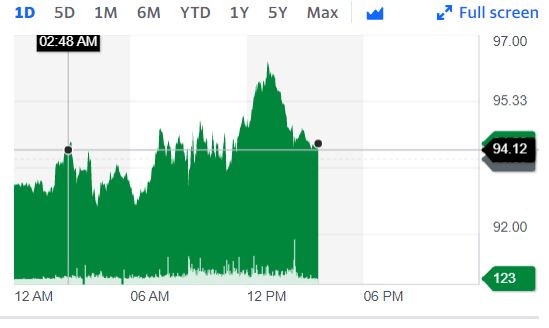
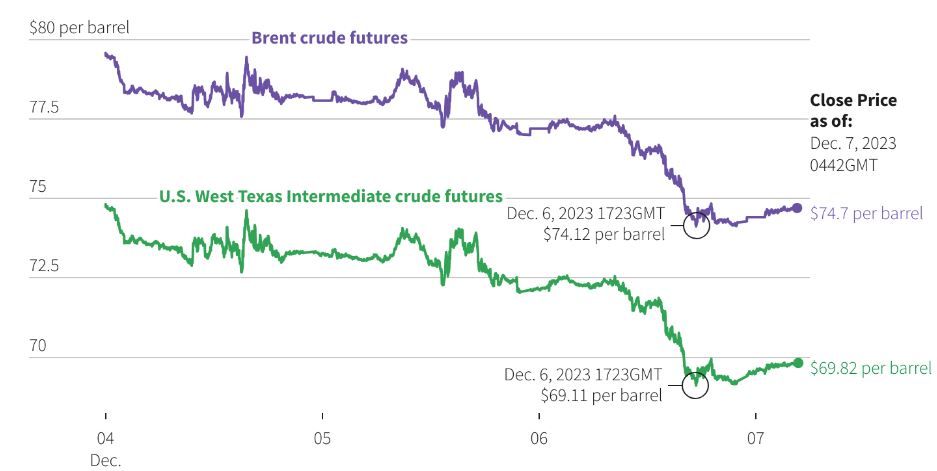
As of the 17th local time, international oil prices fell for the second day as concerns over disruptions to Saudi Arabia’s crude oil supply eased somewhat. Brent crude futures for November delivery traded on the London ICE Futures Exchange closed at $104.82 per barrel, down 0.95% from the previous session. Similarly, West Texas Intermediate (WTI) crude futures for October delivery on the New York Mercantile Exchange recorded $101.91 per barrel, a 0.51% decrease from the previous session. The primary reason for this decline is that the supply shortage scenario, which had sent the market into a panic, did not materialize. Much like the sea calming down after a storm, oil market investors exhaled in relief and continued selling. The oil market is like a sensitive ecosystem that can be easily shaken by even a small piece of news. This decline can be interpreted as a natural correction process where prices, which had risen excessively due to undue anxiety, are returning to their proper levels. Experts unanimously agree that this indicator shows short-term stability while also suggesting that significant latent volatility remains. For general consumers, the pressure of rising fuel prices has been given a brief breather. This is precisely why it is crucial to closely monitor the direction in which the market will head next.
Brent crude and WTI closed lower for the second consecutive day as Saudi supply concerns eased.
2. Transshipment via Omani Vessels and Securing Additional Crude Oil Supply

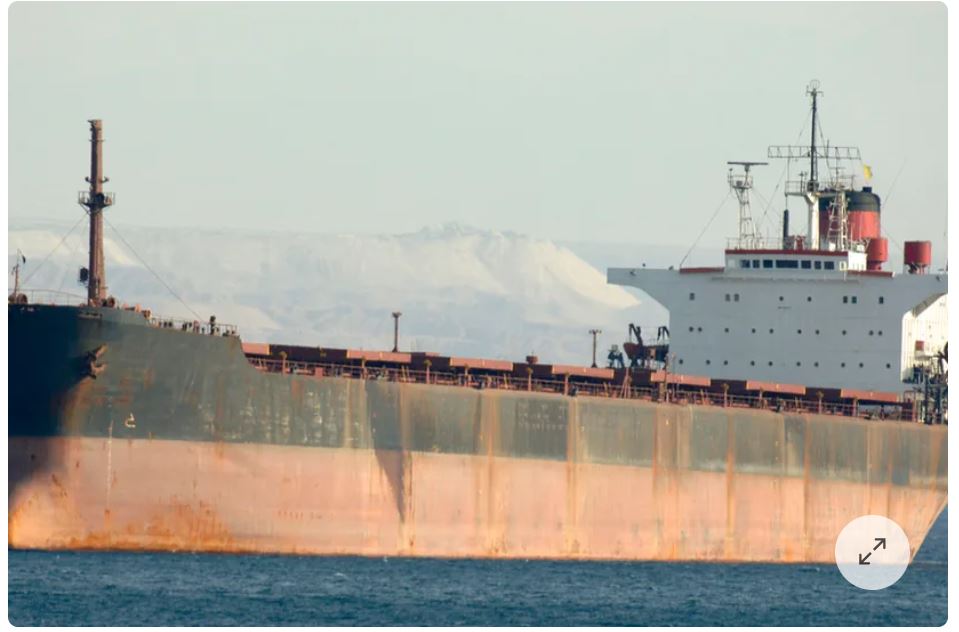
The most decisive factor influencing the price drop was the news of Saudi Arabia securing an alternative supply route. Saudi Arabia decided to supply additional crude oil cargoes to Asian refiners using a ship-to-ship transshipment method near the port of Sohar in Oman. This measure aims to offset export disruptions caused by the suspension of the East-West Pipeline in the Red Sea due to recent drone attacks. It was a highly effective strategy, much like taking a detour via national roads to reach a destination on time when a highway is blocked. Refiners reacted immediately to the news that their crude oil supply constraints had been eased, quickly calming market anxieties. This alternative transport route holds significance beyond simply filling the volume gap. It sent a strong signal to market participants that Saudi Arabia has the capability to control export volumes even in a crisis. Indeed, major Asian refiners showed a sense of relief, feeling the benefits of diversifying their crude oil supply lines. The ability of oil-producing countries to act swiftly in emergencies serves as the strongest defense against sharp oil price spikes. This ship-to-ship transshipment case is a representative example of how flexibly the global oil supply chain can operate.
Saudi Arabia supplemented export disruptions by supplying additional crude oil to Asian refiners through ship-to-ship transshipment near Oman.
3. Repair Work on the East-West Pipeline and Market Stabilization
The fact that Saudi Arabia is making all-out efforts to repair the damaged East-West Pipeline also contributed significantly to market stability. According to sources on the ground, repair work on the pipeline facilities that were halted by the airstrikes is gaining momentum. Saudi authorities have offered a positive outlook, stating that they can fully restore part of the pipeline’s operating capacity within a few days. It is similar to feeling reassured when a technician rushes over to fix a burst water pipe in your home. The expectation of early normalization of critical infrastructure captured investors’ hearts, further intensifying downward pressure on oil prices. News of infrastructure repairs acted as a potent remedy for calming market fear. In the oil futures market, the prevailing analysis is that the likelihood of the worst-case scenario materializing has decreased. The rapid recovery of refining facilities and pipelines once again demonstrated the resilience of the Saudi oil industry. Investors are now trading based on the assumption of normal supply and demand conditions, having escaped the worst-case fear of prolonged supply disruptions. If this pace of repair is maintained, the current stability in oil prices is likely to continue for the time being.
Saudi Arabia’s rush to repair the attacked East-West Pipeline, with expectations of partial capacity recovery within days, has calmed market anxieties.
4. Middle East Geopolitical Risks and Factors Limiting Further Declines

However, despite the easing of supply disruption concerns, obstacles preventing a sharp drop in oil prices still exist. The most prominent factor is that the conflict between Saudi Arabia and Yemen’s Houthi rebels is still ongoing. As long as the armed conflict continues, there is a persistent anxiety that oil production facilities could be hit again at any moment. The situation remains precarious, like walking on thin ice, where it is impossible to predict when an unexpected incident might occur. This geopolitical risk is the decisive reason why investors cannot fully relax. In addition, vessel traffic through the Strait of Hormuz, a key oil transport route in the Middle East, has noticeably decreased. The Strait of Hormuz is like a major artery through which a significant portion of the world’s oil cargo passes. If there are disruptions to navigation in this region, it will be difficult to completely resolve global supply and demand instability, no matter how many alternative routes Saudi Arabia finds. Shipping industry and energy experts believe that oil prices are unlikely to plummet until military tensions across the Middle East are resolved. Ultimately, the current drop in oil prices is a tug-of-war situation where prices are being held up by downside rigidity.
Geopolitical risks, including the ongoing conflict between Saudi Arabia and Yemeni rebels and decreased traffic in the Strait of Hormuz, are limiting further declines in oil prices.
5. Supply and Demand Balance in the Global Oil Market and Key Points to Watch
Recent trends in international oil prices exhibit a complex dynamic where supply anxieties and efforts to overcome the crisis are in a tense standoff. On one hand, rapid alternative supply and facility repairs by oil-producing countries are acting as downward pressure on prices. On the other hand, ongoing conflicts in the Middle East and maritime transport risks are firmly supporting the price floor. It is similar to a tug-of-war match where both teams are exerting equal force, resulting in a stalemate. Amidst this delicate balance, market participants are closely monitoring every news release. For the general public and businesses, these subtle changes in the oil market are by no means trivial. Fluctuations in fuel prices are immediately reflected in logistics and manufacturing costs, directly impacting our daily economic lives. Therefore, the wisdom to periodically check and prepare for international oil price trends is necessary. Official production statistics from oil-producing countries and changes in the Middle East situation will serve as the key compass determining the future direction of oil prices. It is a time when a calm observation of the market and a flexible response are more important than ever.
The global oil market is maintaining a sensitive balance as efforts to stabilize supply and geopolitical anxieties are in a tense standoff.
6. Oil Market Outlook and Recommendations for Readers
The recent drop in oil prices following the easing of Saudi supply concerns can be assessed as a short-term breather. However, since structural geopolitical risks in the Middle East have not been resolved, future oil prices carry the possibility of rebounding at any time. Energy-intensive companies or individuals considering related investments must keep this volatility in mind. Just as one checks the weather forecast to bring an umbrella, it is necessary to develop the habit of consistently checking international political news to manage assets and costs. We hope you will continue to live a financially prudent life by closely watching the detailed indicators of the oil market and the movements of oil-producing countries.
Despite the short-term decline, continuous market monitoring and flexible preparation are needed due to the persistent Middle East risks.
Frequently Asked Questions
=