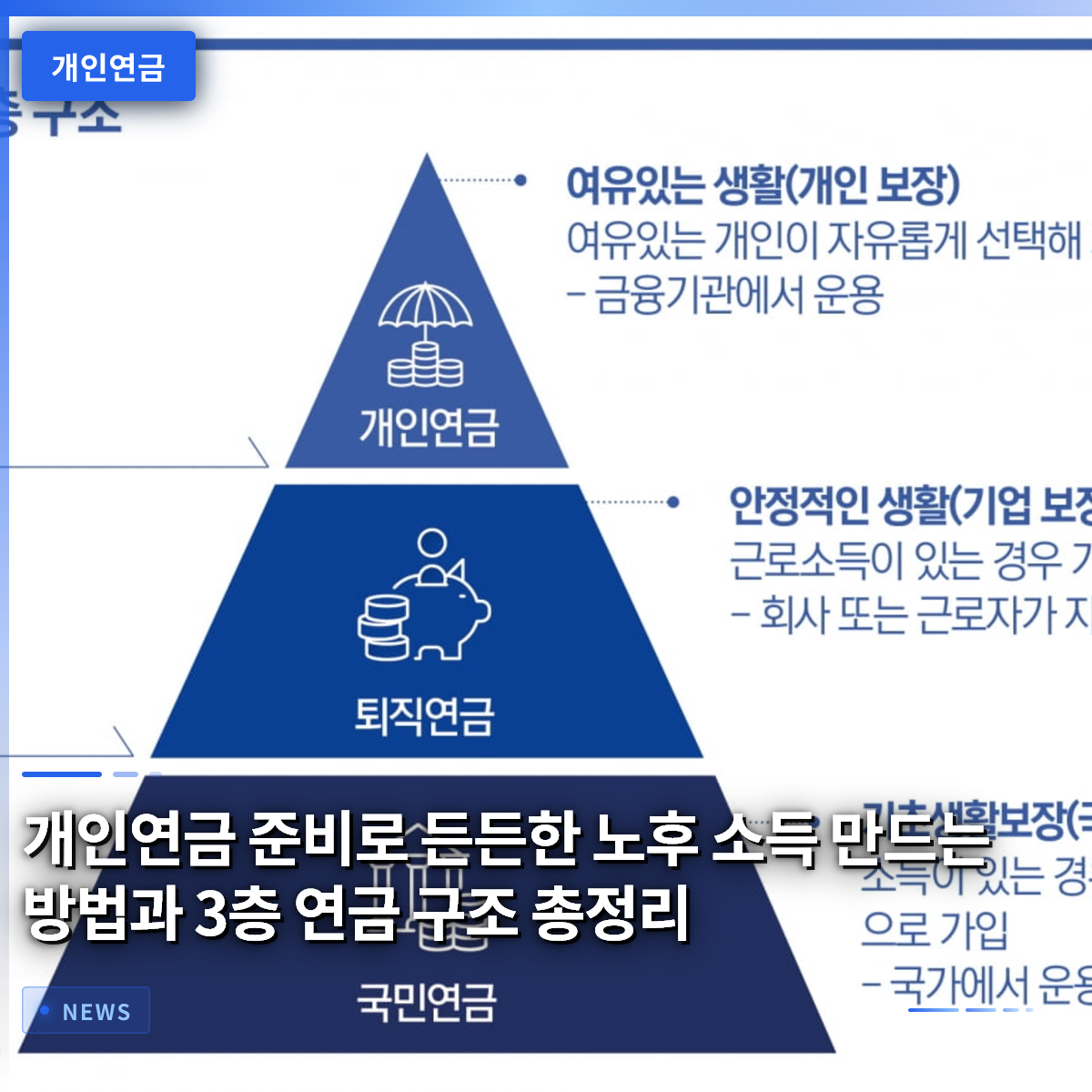
Relying solely on the National Pension for your retirement can lead to severe financial difficulties, as your living expenses may far exceed your income once you retire. These days, many office workers around me are thoroughly preparing for the so-called three-tier pension system by accumulating National Pension, Corporate Pension, and Personal Pension together. Setting aside a fixed amount from your monthly salary to steadily invest in pension savings products or individual retirement pension accounts is the core of smart asset management. I was initially overwhelmed, but my anxiety about retirement melted away once I opened an account and started systematically investing in U.S. tech stocks and dividend products. Today, I aim to explain everything in detail, from enrolling in a personal pension to tax-saving tips, so that anyone can easily understand. If you follow along step by step, you too can become an expert in designing a secure retirement fund.
=
How to Build a Secure Retirement Income with Personal Pensions: A Complete Guide to the 3-Tier Pension System
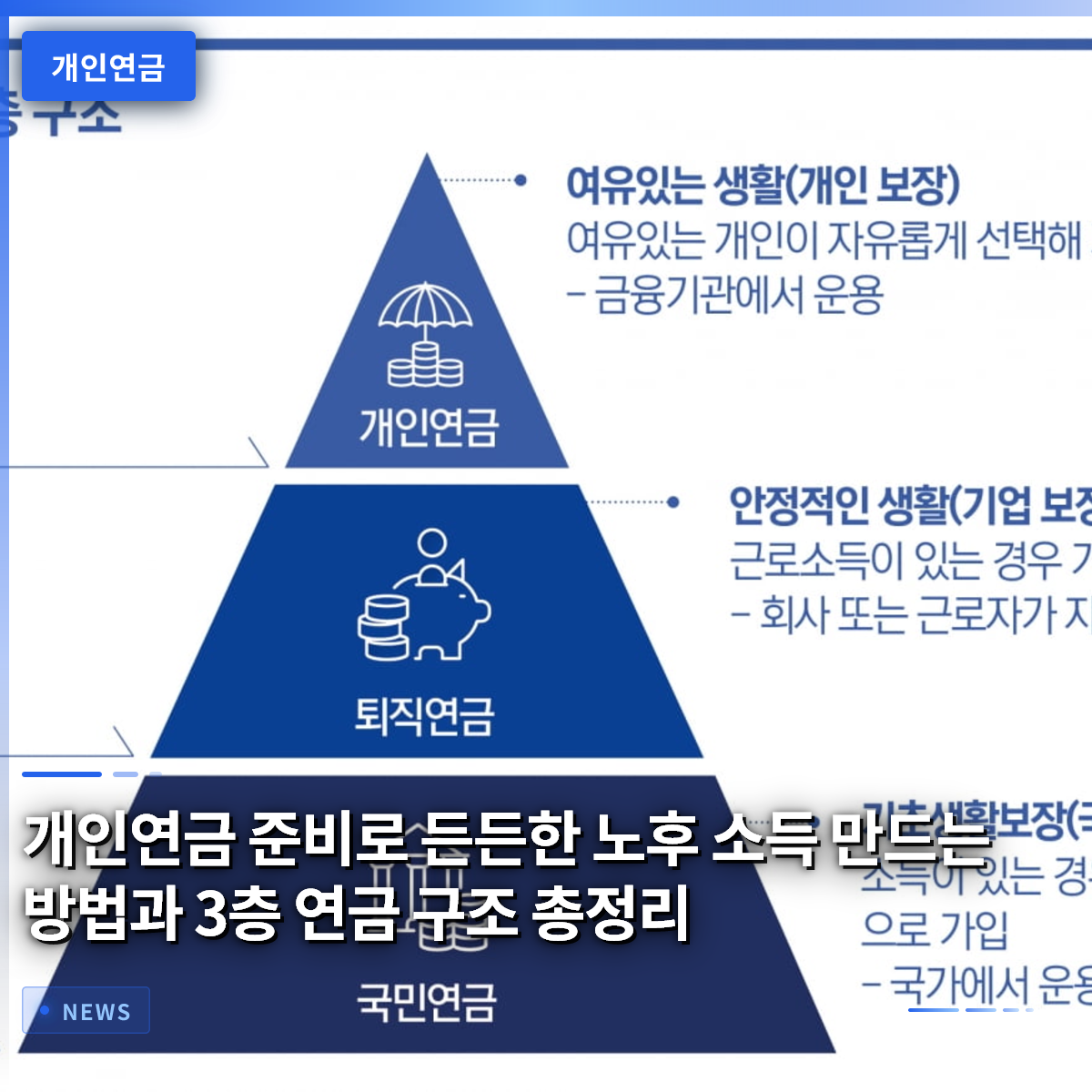
1. Understanding the Basic Structure of the Three-Tier Pension System
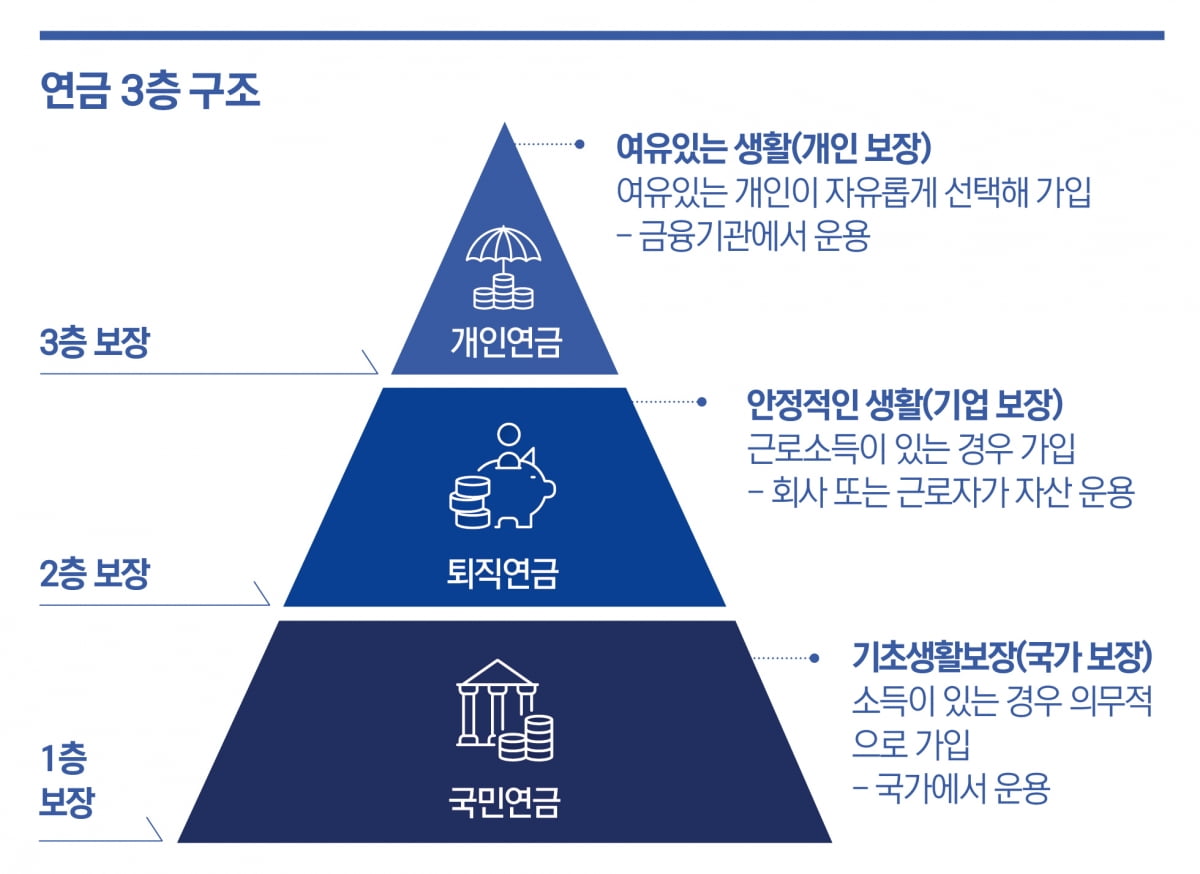
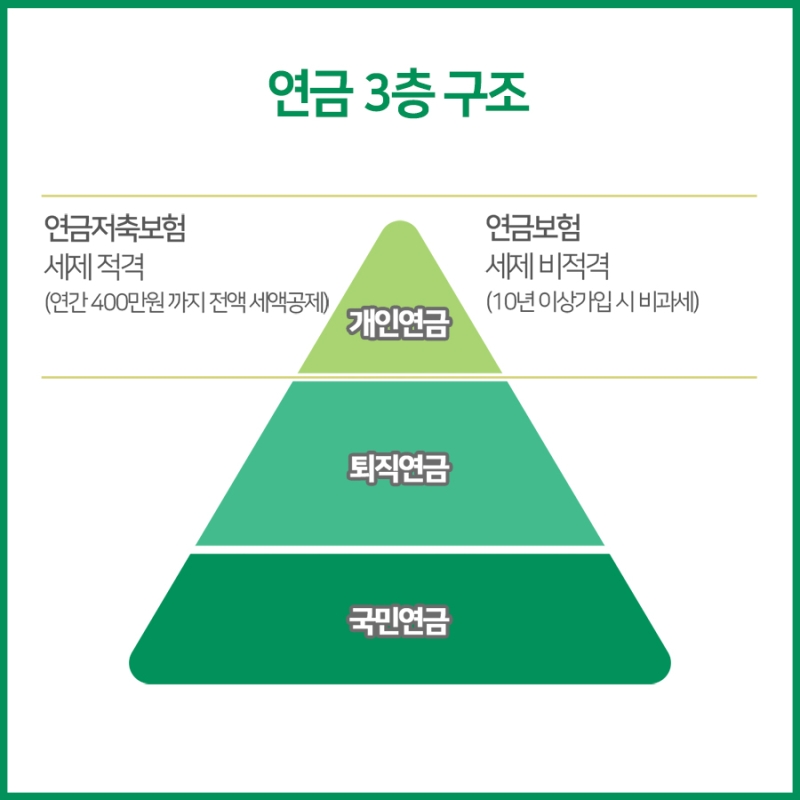
To enjoy a stable retirement, it is crucial to accurately understand the three-tier pension system, which is built through the combined efforts of the government, companies, and individuals. The first tier is the National Pension, managed by the state and adjusted for inflation, serving as the fundamental backbone. The second tier is the Corporate Pension, guaranteed by your employer, which accumulates steadily during your working years and can be received as a lump sum or pension upon retirement. The final third tier is the Personal Pension, which individuals prepare voluntarily to fill the gap in retirement living expenses. Only when these three pensions interlock like gears can life after retirement be comfortable and free from financial worry. Listening to the stories of senior colleagues who have retired, I found that only those who had balanced all three tiers were enjoying a leisurely life. Therefore, it is wise to carefully assess your current income level and asset situation, then quickly fill in any missing pension tiers.
You must build a balanced three-tier pension structure consisting of the National Pension, Corporate Pension, and Personal Pension to prevent poverty in old age.
2. Differences and Usage of Pension Savings and Individual Retirement Pensions
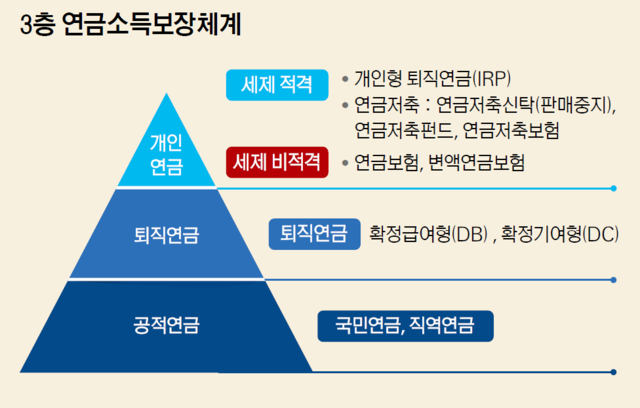
When preparing a personal pension, the first products to consider are pension savings accounts and individual retirement pension accounts. Pension savings are divided into trust products at banks, insurance policies, and funds at securities firms, with a recent trend favoring securities firm accounts for asset growth. Individual retirement pensions are used to hold severance pay received when changing jobs or retiring, but individuals can also make additional cash contributions to receive tax deduction benefits. For example, Mr. Kim, an office worker, maxes out his contributions to both pension savings and individual retirement pensions to reduce the tax burden that hits him like a bomb during the annual tax settlement. Actively utilizing these two accounts allows you to catch two birds with one stone: securing retirement funds and significantly reducing your immediate tax burden. The wisest approach is to carefully compare which products to invest your hard-earned money in and choose the method that best fits your investment style.
Properly utilizing pension savings and individual retirement pension accounts according to their purposes allows you to enjoy both retirement preparation and tax deduction benefits simultaneously.
3. Growing Personal Pension Assets Through Systematic Investment
Even if you don’t have a large lump sum, investing a fixed amount systematically every month maximizes the value of your personal pension. A popular method is to set up automatic transfers on payday to mechanically buy U.S. benchmark index funds or high-quality dividend stocks. By buying stocks periodically regardless of market fluctuations, you can lower your average purchase price, which is highly advantageous for long-term investment. Mr. Park, an office worker, has been steadily buying U.S. tech stock ETFs from his personal pension account for several years and has enjoyed significant asset growth. Although he was initially nervous about stock price volatility, he gained great confidence as the compound interest effect took hold and his account balance grew. If you continue systematic investment with patience over the long term, you will overcome inflation and secure a comfortable retirement fund.
You must continue systematic investment consistently without being shaken by market fluctuations to fully enjoy the compound interest effect of your personal pension.
4. Tips for Avoiding a Tax Bomb When Receiving Pensions
It can be shocking if you have diligently built up your personal pension only to face a sudden increase in tax burden when it’s time to receive it. The state applies comprehensive income tax or separate taxation if private pensions exceed a certain annual amount, making the adjustment of received amounts very important. For example, if your pension income exceeds the annual limit, an unexpectedly high tax rate may apply, rendering the tax benefits you saved useless. Mr. Lee, who is approaching retirement, has strategized to extend his receiving period or spread out the timing to ensure his monthly pension amount does not exceed a specific threshold. By appropriately dividing the timing of pension receipts, you can minimize the tax burden while maintaining a stable monthly cash flow. You should simulate your pension income in advance using financial company apps or the Integrated Pension Portal and prepare carefully to avoid any tax disadvantages.
Since the tax burden can increase if pension receipts exceed the annual limit, a strategy to spread out the receiving period and timing is essential.
5. Checking and Reviewing Your Pensions Using the Integrated Pension Portal
Grasping at a glance where and how much of all your enrolled pension products have accumulated is a fundamental part of retirement preparation. Using the Integrated Pension Portal operated by the Financial Supervisory Service, you can check all accounts in your name, including the National Pension, Corporate Pension, and Personal Pension. Mr. Choi, an office worker, moved frequently and changed jobs several times, so he had completely forgotten about a corporate pension account he had left behind. He was surprised to find that his valuable retirement funds were still sitting there when he took time on a weekend to log in and check. By gathering these scattered pensions into one view, you can coldly diagnose how much more asset you need. Regularly checking your pension status and filling in the gaps is the shortcut to a comfortable and happy retirement.
You should regularly check all your scattered pension accounts via the Integrated Pension Portal and review any shortfalls in your retirement funds.
6. Practical Strategies for a Successful Retirement with Personal Pensions
As we have seen, personal pensions are not an option but the most reliable essential safety net supporting our lives. Those who start early, even with small amounts, while they are young and have stable income, earn the qualification to smile after retirement. While colleagues focus on short-term stock trading or trendy wealth management, those who quietly put money into their pension accounts will ultimately be the winners. As we live through an era of rising inflation and economic uncertainty in 2026, thorough retirement planning is a matter of survival, not choice. As soon as you read this article, open your pension account and ask yourself if your monthly contribution amount is appropriate. The small seeds of interest and effort you sow now will grow into a massive tree in your old age, warmly embracing your comfortable life.
Retirement preparation becomes more costly the longer you delay, so you should check your personal pension account and increase your contributions immediately.
Frequently Asked Questions
=